
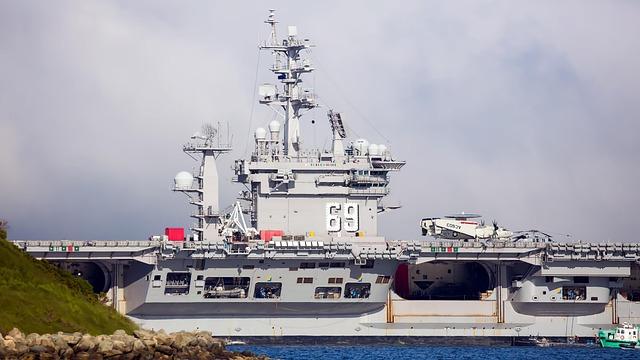
In a significant development in the ongoing geopolitical tensions in South America, a United States warship has made port in Trinidad and Tobago, coinciding with intensified military pressure on Venezuela by the Trump administration. This strategic maneuver underscores the U.S. commitment to countering what it deems an escalating threat from the Venezuelan government, led by President Nicolás Maduro. The docking of the USS Fort Lauderdale, a San Antonio-class amphibious transport dock, not only reinforces U.S. presence in the Caribbean but also signals a broader strategy aimed at supporting regional allies while addressing concerns over Venezuela’s political and humanitarian crises. As rhetoric escalates and military assets are mobilized, the implications of these actions are likely to resonate throughout the region, raising questions about the future of U.S.-Venezuela relations and the stability of the Caribbean Basin.
US Navy Presence in Trinidad and Tobago: A Strategic Move Amid Growing Tensions
The docking of a US warship in Trinidad and Tobago represents a significant change in military dynamics within the Caribbean. This move comes in the wake of escalating geopolitical tensions in the region, particularly with Venezuela’s political turmoil and the Maduro regime’s increasing ties with adversaries of the United States. By positioning naval resources closer to Venezuela, the US is looking to enhance its deterrent capabilities while reinforcing partnerships with Caribbean nations. This deployment is seen as part of a broader strategy to stabilize an increasingly volatile neighborhood, providing assurance to regional allies who share concerns over Venezuelan aggression and instability.
Key aspects of this strategic military presence include:
- Regional Security Enhancements: Strengthened intergovernmental cooperation on security and defense issues.
- Monitor illegal activities: Increased capability to counter drug trafficking and human smuggling that often originate from Venezuela.
- Humanitarian Assistance: Potential for the US to provide aid and support to Venezuelan refugees fleeing the crisis.
- Response Readiness: Heightening operational readiness to react swiftly to any aggressions or humanitarian emergencies.
This strategic military posturing underscores the importance of Trinidad and Tobago as a pivotal ally in the US’s efforts to maintain influence as well as stability in the Caribbean basin. As the US actively engages in diplomatic and military maneuvers in response to the Venezuelan crisis, Trinidad and Tobago’s geographical proximity to Venezuela makes it an essential staging ground for naval operations. The collaboration reinforces the bilateral relations established between the US and Caribbean states, as they confront shared challenges posed by the Venezuelan political situation.
Implications for Regional Security: How the US Vow to Pressure Venezuela Affects Caribbean Stability
The recent docking of a US warship in Trinidad and Tobago serves as a tangible symbol of the US government’s intensified efforts to exert military pressure on Venezuela. This action not only underscores America’s commitment to its foreign policy objectives but also raises significant concerns for regional security in the Caribbean. As the US seeks to isolate Venezuelan President Nicolás Maduro’s regime, Caribbean nations find themselves in a precarious position, balancing their historical affiliations with Venezuela against the necessity of aligning with US interests. The situation presents a complex landscape where regional powers must navigate between economic cooperation with Caracas and political allegiance to Washington.
The implications of this military posture on Caribbean stability may manifest in several ways:
- Increased Tensions: Neighboring countries might feel pressured to choose sides, potentially straining diplomatic relationships.
- Military Exercises: Scheduled joint military exercises between the US and Caribbean nations could contribute to a more militarized environment in the region.
- Economic Ramifications: Trade disruptions and shifts in investment patterns may occur as nations respond to US strategies against Venezuela.
- Refugee Crisis: Escalating instability in Venezuela could lead to an influx of refugees, posing social and economic challenges to neighboring Caribbean countries.
Diplomatic Solutions for Venezuela: Navigating Military Posturing with Constructive Engagement
The recent docking of a US warship in Trinidad and Tobago underscores the escalating military posturing surrounding Venezuela, a move that coincides with heightened tensions and ongoing humanitarian crises in the region. Diplomatic avenues often remain overshadowed by such military maneuvers, complicating the already intricate landscape of Venezuelan politics. Analysts suggest that, while the show of force may aim to deter further aggression from the Venezuelan government, it is crucial to consider the impact on civilian lives and local stability.
In response to this situation, a multifaceted approach is necessary for constructive engagement with Venezuela, emphasizing dialogue over escalation. Key components of such an approach could include:
- Facilitated Diplomatic Dialogues: Establishing channels for communication between opposing factions to foster negotiation and compromise.
- Humanitarian Assistance Coordination: Collaborating with international partners to ensure essential aid reaches those most affected by the crisis.
- Economic Sanctions Review: Assessing the effectiveness and consequences of existing sanctions to mitigate collateral damage on the Venezuelan populace.
In Summary
As tensions escalate in the region, the arrival of the US warship in Trinidad and Tobago underscores the shifting dynamics of military presence in the Caribbean, particularly in relation to Venezuela. This strategic deployment aligns with former President Donald Trump’s intensified approach to Venezuelan leadership, highlighting ongoing concerns over regional stability and security. Observers will be closely monitoring how this military posturing influences diplomatic relations and the socio-political climate within Venezuela and its neighbors. As the situation develops, the international community remains vigilant, aware that the implications of such maneuvers extend far beyond the waters of the Caribbean.









