
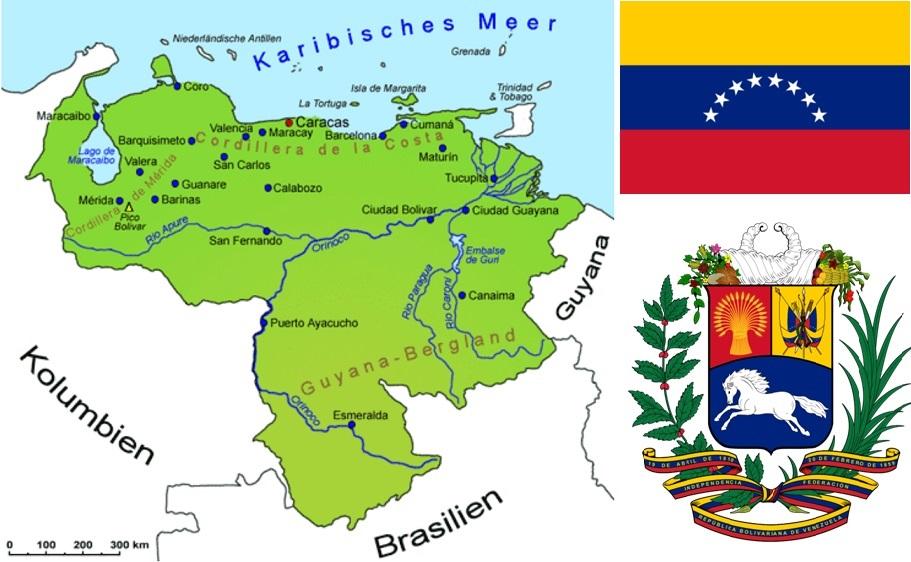
In a rising wave of geopolitical tensions in the Caribbean, Venezuela has issued a stern warning to neighboring nations Guyana and Trinidad and Tobago, cautioning them against hosting American military troops. This development comes amid escalating concerns regarding the presence of foreign military forces in the region, which Caracas claims could exacerbate existing conflicts and threaten regional stability. As the situation unfolds, the implications for diplomatic relations, security, and local economies remain uncertain, with observers closely monitoring the responses from both Guyana and Trinidad. This article delves into the motivations behind Venezuela’s warning, the historical context of U.S.-Caribbean military collaborations, and the potential consequences for regional security dynamics.
Venezuela Issues Strong Warnings to Guyana and Trinidad Over American Military Presence
Venezuelan authorities have issued stern warnings to both Guyana and Trinidad and Tobago regarding the recent reports of American military presence on their soil. Venezuelan officials fear that the deployment of U.S. forces in neighboring countries could lead to heightened tensions in the region. The government expressed particular concern over what they characterize as a potential threat to national sovereignty and regional stability. Diplomatic sources indicate that Venezuela views the military presence as a direct challenge and provocative action that may escalate the already delicate geopolitical situation in South America.
The Venezuelan statement outlined several key points of concern, emphasizing the implications of foreign military activity in the Caribbean:
- Destabilization Risks: Venezuelan leaders warned that hosting U.S. troops could destabilize not only Guyana and Trinidad but the entire Caribbean region.
- Sovereignty Violations: The presence of foreign military forces was described as a blatant infringement on national sovereignty, potentially setting a dangerous precedent.
- Increased Militarization: Officials argue that such actions could lead to an arms race among Caribbean nations, increasing military expenditures at the expense of social development.
Regional Tensions Rise as Venezuela Expresses Concerns About US Troop Deployment
In recent developments, Venezuela has issued stern warnings to its Caribbean neighbors, Guyana and Trinidad and Tobago, regarding the potential hosting of United States troops. Venezuelan officials have expressed deep concern over this military presence, citing it as a provocation that could escalate regional tensions. The government in Caracas maintains that such actions undermine sovereignty and contribute to a climate of instability in the already volatile region. The Deputy Foreign Minister of Venezuela emphasized that the deployment of American forces would serve as a vehicle for foreign intervention, which they firmly oppose.
Officials in Caracas are not only addressing their immediate neighbors but are also reaching out to international bodies to express their apprehensions. The Venezuelan government argues that this troop deployment could trigger a series of geopolitical ripples, exacerbating ongoing disputes over territory and resources. In light of these concerns, Venezuela calls for diplomatic discussions to ensure mutual respect among countries. Key points of their argument include:
- Protection of Sovereignty: The right of every nation to govern without foreign interference.
- Regional Stability: The importance of peace and cooperation among Caribbean nations.
- Call for Dialogue: Advocating for discussions rather than military posturing.
Recommendations for Caribbean Nations to Navigate Heightened Geopolitical Strain
In light of escalating tensions involving American military presence in the region, Caribbean nations are urged to adopt a strategic approach to safeguard their sovereignty and stability. Governments should prioritize the establishment of a cohesive regional alliance to address common security concerns. Strengthening diplomatic channels and engaging in multilateral discussions can facilitate collective responses to external pressures. Additionally, fostering economic partnerships within CARICOM, as well as with other international stakeholders, can help diversify dependencies and enhance resilience against geopolitical shifts.
To further mitigate risks, countries should consider implementing robust conflict resolution frameworks that promote dialogue over confrontation. Key recommendations include:
- Enhancing intelligence-sharing mechanisms among regional security forces.
- Developing comprehensive national security strategies that integrate local, regional, and global perspectives.
- Investing in public awareness campaigns to educate citizens about geopolitical dynamics and the importance of national unity.
| Strategy | Description |
|---|---|
| Diplomatic Engagement | Strengthen bilateral and multilateral relations to ensure a united front. |
| Economic Diversification | Reduce reliance on a single economy and promote regional trade. |
| Public Education | Inform citizens regarding the implications of geopolitical tensions. |
Final Thoughts
In conclusion, Venezuela’s recent warnings to Guyana and Trinidad regarding the potential hosting of American troops underscore the heightened geopolitical tensions in the Caribbean region. As nations navigate the complexities of international diplomacy and security, the implications of such military collaborations raise questions about sovereignty, regional stability, and the balance of power. With the Caribbean historically serving as a strategic point for major world powers, both Guyana and Trinidad must weigh their national interests against the backdrop of Venezuelan concerns. As this situation unfolds, the Caribbean community is left to ponder the future of diplomatic relations and the potential for conflict in a region striving for peace and cooperation. Continued vigilance and dialogue will be essential as these countries respond to external pressures while seeking to maintain their autonomy and security.









