In the landscape of American politics,few figures have generated as much debate and division as former President Donald Trump. His administration’s economic policies, characterized by bold tax cuts, deregulation, and a focus on protectionism, sought to reshape the foundational principles of the U.S. economy. But as the ramifications of these policies unfold, questions arise: Did Trump’s approach boost economic growth, or did it exacerbate income inequality and undermine long-term stability? This article explores the contours of Trump’s economic strategies, their immediate impact on various sectors, and the lingering effects on the American economy as a whole. By examining economic indicators, expert analyses, and real-world implications, we aim to provide a nuanced understanding of how Trump’s economics may continue to influence the nation’s financial landscape in the years to come.
Understanding Trump’s Economic Policies and Their Impact on the American workforce
During Donald Trump’s presidency, his administration implemented a series of economic policies aimed at reshaping the American workforce and revitalizing industries. The core principles of these policies revolved around tax cuts, deregulation, and a focus on “America First” in trade. One of the most critically important pieces of legislation was the Tax Cuts and Jobs Act of 2017, which slashed corporate tax rates from 35% to 21%, with the intent of spurring investment and increasing job creation within the U.S.
However, the impact of these policies on the American workforce remains a matter of debate. Although proponents argue that lower taxes led to increased hiring and higher wages in certain sectors, critics point to the disproportionate benefits enjoyed by wealthier corporations. The deregulation push was also controversial, with opponents arguing it threatened labor rights and environmental protections.
| Policy Area | Impact |
|---|---|
| tax Cuts | Boosted corporate profits; mixed effects on wages |
| Deregulation | Increased buisness flexibility; raised concerns over worker protections |
| Trade Policies | Renegotiated deals; impact on manufacturing jobs varied |
The industrial sectors affected by these changes illustrate a complex landscape. For example, manufacturing experienced a resurgence in certain regions, yet the coal industry faced both rebirth and decline, depending on local market dynamics. Trump’s trade wars, particularly with China, aimed to protect American jobs, but they elicited retaliatory measures that saw some American workers caught in the crossfire, ultimately complicating the job market further.
In summation, Trump’s economic policies encapsulated a paradigm shift in the governmental approach to the economy, favoring a mix of incentives for business while igniting contentious debates regarding the true beneficiaries of this fiscal strategy. As the nuances of these policies continue to unfold,their legacy on American labor and industrial growth will remain a focal point for economists and policymakers alike.

Assessing the Long-term Effects of Tax Reforms on Income Inequality
Tax reforms can significantly reshape the economic landscape, particularly regarding income distribution across various demographics. Analyzing the long-term implications of policy changes implemented during Trump’s administration reveals trends that continue to affect the Gini coefficient, a popular measure of income inequality.Key findings suggest that while tax cuts may stimulate short-term economic growth, they often exacerbate inequality in the long run.
Several factors contribute to the enduring effects of tax reforms on income disparity:
- Effect on Wealth Accumulation: Tax cuts often favor high-income earners,allowing them to accumulate wealth at a faster rate than lower-income individuals.
- Capital Gains Tax Relief: Lower taxation on capital gains disproportionately benefits wealthy investors, further widening the income gap.
- Reduction in Public Services: Funding cuts to social programs can negatively affect lower-income populations, limiting their access to education and healthcare.
| Income group | Change in Tax Rate (%) | Post-Reform Wealth Accumulation (%) |
|---|---|---|
| Top 1% | -2.5 | 15 |
| Middle Class | -1.5 | 5 |
| Bottom 20% | -0.5 | 1 |
Moreover, economic mobility has come under scrutiny, particularly in the context of tax reforms. The perceived notion that tax cuts should yield increased opportunities for all has not necessarily materialized, as evidenced by reports indicating stagnation in income mobility for lower and middle-income families.The interplay between public investment and tax policy has thus emerged as a critical area of study in understanding the broader implications of income inequality in the contemporary American economy.

Trade Wars and their Consequences for American Manufacturing
The trade wars initiated during the Trump administration have significantly reshaped the landscape of American manufacturing. As tariffs were imposed on a wide array of goods, particularly from China, American manufacturers faced both opportunities and challenges. While the intent was to protect domestic industries and boost job creation, the reality has been more intricate.
Many manufacturers reported a surge in operational costs due to increased tariffs on imported materials essential for production. This raised concerns that the very industries the trade wars aimed to protect might be driven to the brink of collapse due to inflationary pressures and an unstable supply chain. Key consequences include:
- Increased Prices: The heightened cost of raw materials resulted in higher prices of finished goods.
- Supply Chain Disruptions: Companies faced delays and uncertainties in sourcing components, leading to production bottlenecks.
- Job Losses: while protective tariffs were meant to safeguard jobs, many companies opted for automation or offshoring to remain competitive.
Moreover, the retaliatory measures from affected nations led to a tit-for-tat cycle that further altered manufacturing dynamics. Some sectors, particularly agriculture, were adversely affected as tariffs cut off access to vital markets. The following table illustrates the impact on select industries:
| Industry | Impact of Tariffs | job Effect |
|---|---|---|
| Steel | Increased tariffs boosted local production | moderate job creation |
| Agriculture | Retaliation resulted in reduced exports | Significant job losses |
| Textiles | Cost increase on materials | Persistent job stagnation |
Ultimately, the trade wars highlighted the fragility of American manufacturing. While some companies found ways to navigate the new landscape and even thrive, the broader implications of these economic policies painted a complex picture of growth, adjustment, and resilience within the sector. The full extent of these consequences may unfold over the coming years as companies regroup and strategize for a new normal in both domestic and global markets.

Navigating Inflation: lessons from the Trump Administration
During Donald Trump’s presidency, the U.S. experienced fluctuating inflation rates, largely influenced by the administration’s fiscal policies and economic strategy. Key lessons can be gleaned from this period,particularly regarding the interplay of tax cuts,trade tariffs,and public spending priorities. Understanding these elements provides crucial insights into managing inflationary pressures in today’s economy.
One notable tactic was the administration’s aggressive tax cuts, which were designed to stimulate economic growth. However, these policies also raised concerns about long-term fiscal sustainability. The resultant increase in the federal deficit contributed to inflationary pressures, highlighting how:
- Tax cuts can increase disposable income but may lead to inflation if not offset by spending reductions.
- Economic stimulus can backfire if demand significantly outpaces supply, creating upward pressure on prices.
- Trade tariffs, intended to protect American jobs, often led to higher consumer prices, demonstrating the complexities of balancing domestic industry support with inflation control.
Add to this the administration’s push for infrastructure spending, which, while beneficial for long-term growth, further complicated the inflation landscape. The potential for increased demand—amid ongoing supply chain disruptions—only intensified inflationary impacts.
| Factor | Impact on Inflation |
|---|---|
| Tax Cuts | Increased disposable income but raised deficits |
| Trade tariffs | Higher costs for consumers |
| Infrastructure Spending | Short-term demand surge leading to price increases |
The complex economic landscape of the Trump years serves as a reminder that fiscal measures must be carefully calibrated to avoid fostering inflation. Observing these dynamics offers crucial insights for policymakers today as they grapple with similar challenges in the current economic habitat.

Investment in Infrastructure: A Roadmap for Economic Growth
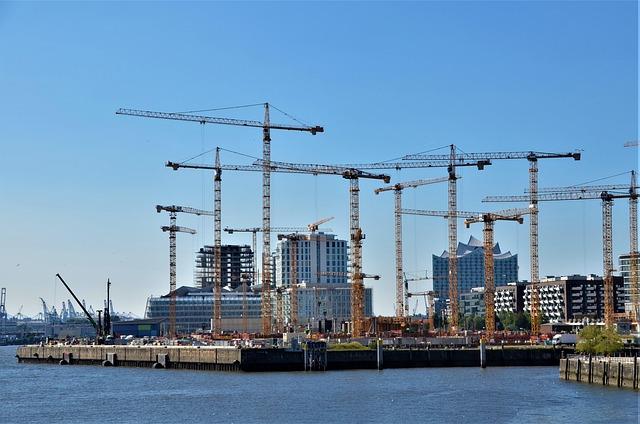
The case for robust investment in infrastructure as a catalyst for economic growth has never been more compelling. A strategic focus on improving America’s roads, bridges, and public transportation systems can drive job creation, stimulate local economies, and enhance the overall quality of life for citizens. Infrastructure is the backbone of commerce and plays a crucial role in connecting businesses with consumers.
Key benefits of infrastructure investment include:
- job creation: Construction and maintenance projects require a skilled workforce, which leads to immediate job opportunities.
- Enhanced Productivity: A modern transportation network can reduce travel time and improve efficiency for businesses and consumers alike.
- Long-term Economic Stability: Reliable infrastructure attracts businesses and encourages investment, fostering lasting economic progress.
To pave the way for these benefits, policymakers must prioritize funding, innovate in project delivery methods, and ensure local communities have a voice in planning processes. By leveraging both public and private investments, the nation can embark on an aspiring agenda that addresses existing infrastructure deficits while anticipating future needs.
| Infrastructure Type | Projected Job Creation | Estimated investment Needs |
|---|---|---|
| Roads & Bridges | 1.5 million | $170 billion |
| Public Transit | 900,000 | $50 billion |
| Water Systems | 600,000 | $110 billion |
Adopting a forward-looking approach to infrastructure investment serves not only immediate economic needs but also positions America for future challenges, aligning with the broader objectives of job security and community enhancement. The roadmap to economic growth is paved with these crucial investments.
Future Strategies for sustainable Economic Development in the United States
As the United States navigates through the complexities of economic recovery, future strategies for sustainable economic development must embrace a multi-faceted approach, prioritizing environmental integrity alongside robust growth.Policymakers should consider integrating green technologies into customary sectors, fostering an economy that not only thrives but also protects its resources for future generations.
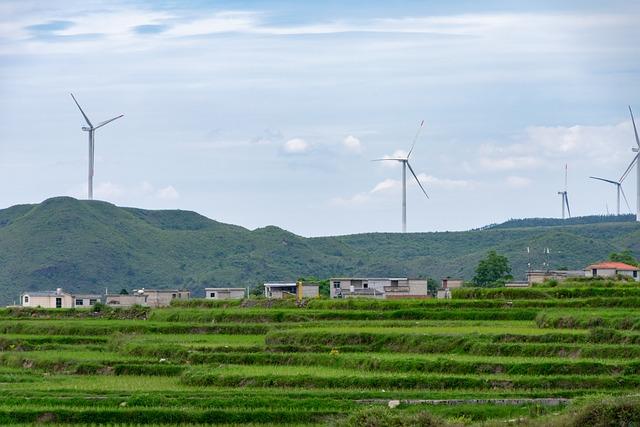
Transitioning to a circular economy presents significant opportunities for innovation and job creation. This framework emphasizes waste reduction, resource efficiency, and the continuous use of products and materials.By investing in renewable energy sources and encouraging businesses to adopt sustainable practices, the U.S. can reshape its economic landscape. Key strategies should include:
- Incentivizing companies that adopt sustainable production methods.
- Supporting research and development in green technology sectors.
- Facilitating partnerships between public and private entities to promote sustainability initiatives.
Moreover, rebuilding the workforce in a manner that includes retraining and upskilling will be essential.This approach can ensure that workers are equipped for the jobs of the future, particularly in growing industries like clean energy and sustainable agriculture. To illustrate the potential of this shift, consider the table below, which outlines projected job growth in various sustainable sectors:
| sector | Projected Job Growth (2021-2031) |
|---|---|
| Renewable Energy | 11% increase |
| Sustainable Agriculture | 8% increase |
| Green Building | 10% increase |
| Environmental Consulting | 7% increase |
By prioritizing these strategies, the U.S. can cultivate a resilient economy that not only withstands the trials of the present but also champions equity and sustainability for all citizens. This vision requires collective action and a commitment to long-term planning that aligns economic incentives with environmental responsibilities.
Key Takeaways
Donald Trump’s economic policies have undeniably left a profound imprint on the American economy, shaping it in ways that continue to spark debate among economists, policymakers, and the public alike. From tax reforms and deregulation to trade wars and labor market shifts, the consequences of his administration’s decisions are complex and multifaceted. As we continue to analyze the legacy of Trump’s economic agenda, it is essential to consider both the short-term gains and long-term implications for various sectors of society.The journey of understanding America’s economy is ongoing,and as we stand on this crossroads,it is vital to engage critically with the policies that have crafted our current financial landscape. Looking ahead,the lessons learned from this period may well inform future economic strategies and the direction of the nation as we strive for a more equitable and sustainable economic future.