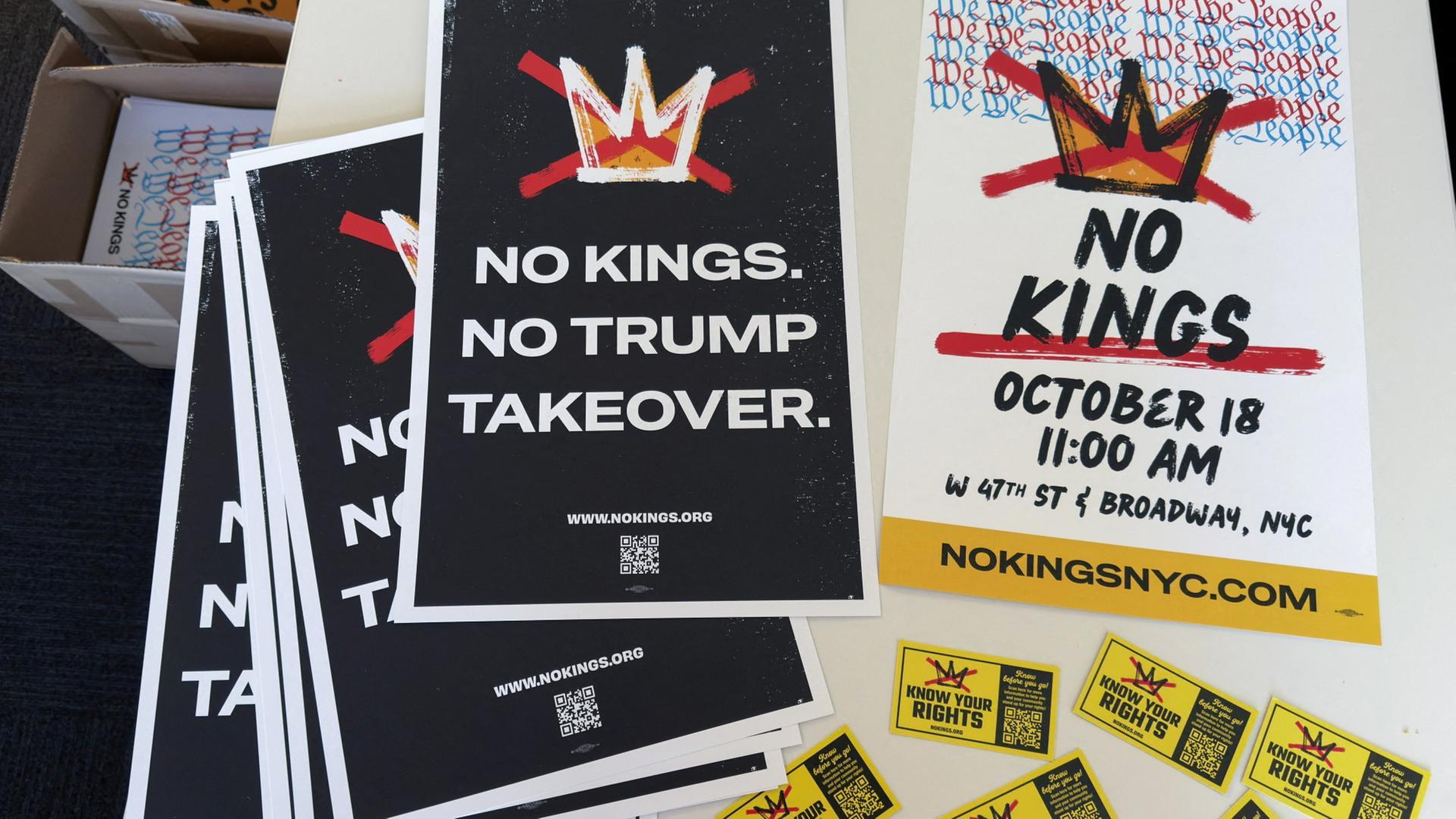
In recent months, a powerful historical phrase has resurfaced to galvanize millions across the United States, fueling protests and movements that echo the sentiments of a nation founded on the principles of equality and anti-authoritarianism. “No kings” – the battle cry epitomizing America’s distrust of tyranny – has not only emerged as the nation’s oldest political slogan but has also taken on renewed significance in an era marked by escalating political polarization and social unrest. As citizens from diverse backgrounds rally under this banner, they draw not only from the lessons of the past but also from an urgent desire to reshape the present landscape of American democracy. This article delves into the origins and evolution of this iconic phrase, exploring its resurgence in contemporary discourse and the implications it holds for the future of collective action in the United States.
Unpacking America’s Oldest Political Slogan and Its Modern Resonance
The phrase “No kings” echoes through the halls of American history as a rallying cry against tyranny and authoritarian rule, first popularized during the revolutionary fervor of the late 18th century. This slogan represents not just a rejection of monarchic authority, but also a broader commitment to democratic principles and individual liberty. In recent times, its resurgence as protesters take to the streets indicates a powerful historical resonance. Many modern movements, advocating for social justice, equality, and political reform, have co-opted this slogan to emphasize their fight against perceived modern-day ‘kings’-namely, powerful political and economic elites who wield disproportionate influence over the government and society.
This revival is multifaceted, as the phrase “No kings” serves as a touchstone for a variety of contemporary issues. From economic inequality to systemic racism, the slogan encapsulates a collective frustration that has simmered beneath the surface for decades. Organizers and activists mobilizing around this ideology often focus on key themes, such as:
- Grassroots empowerment – Promoting local governance and civic involvement to challenge top-down control.
- Transparency – Advocating for accountability in government and corporate practices.
- Social equity – Fighting against discriminatory policies that limit access to resources and rights.
| Modern Movements | Core Demands |
|---|---|
| Black Lives Matter | End systemic racism and police violence |
| Fight for $15 | Raise minimum wage and labor rights |
| Climate Justice | Urgent action on climate change |
Mobilizing the Masses: A Cultural Shift in Political Activism
In recent months, the rallying cry of “No kings” has ignited an unprecedented wave of activism across the United States, uniting people from diverse backgrounds under a common banner. This slogan, rooted in America’s revolutionary past, has transcended its historical significance to become a potent symbol of grassroots resistance against systemic inequality and political disenfranchisement. Activists are utilizing social media platforms to disseminate information and galvanize support, resulting in mass mobilizations that draw thousands into the streets. The implications of this cultural shift are profound, as it signals a departure from traditional forms of political engagement, paving the way for inclusive activism that reflects the voices of the marginalized.
As participation in protests reaches record highs, strategies employed by activists have also evolved. Organizers are now focusing on:
- Decentralized Leadership: Allowing local groups to dictate the nature and pace of their activism.
- Digital Outreach: Utilizing apps and social media for real-time updates and coordination.
- Creative Expression: Using art, music, and performance to engage and inspire the public.
The movements embody a shift in political consciousness, facilitating deep conversations about the meaning of democracy and the role of citizens in shaping their governance. This transformation within the landscape of political activism suggests that traditional institutions may need to adapt or risk becoming obsolete as the populace asserts its agency.
Strategies for Sustaining Momentum in Grassroots Movements
Grassroots movements thrive on community engagement and a shared sense of purpose, which are essential for maintaining momentum over time. To ensure sustained involvement, organizers must invest in creating inclusive spaces where every voice is heard. This can be achieved through regular town hall meetings, community forums, and online platforms that facilitate open dialogue. Additionally, leveraging social media not just for outreach but also for ongoing conversations can help maintain interest and engagement among supporters. By integrating diverse communication channels, movements can better mobilize their base while ensuring that everyone feels connected to the cause.
Furthermore, establishing a robust network of allies and partnerships is crucial. Collaborating with local organizations, activist groups, and even sympathetic businesses can amplify resources and extend the reach of the movement. Organizers should focus on building a sustainable framework that includes:
- Engaging volunteers through training and leadership opportunities
- Creating a clear action plan that sets short-term and long-term goals
- Recognizing and celebrating small victories to maintain morale
Investing in community-building activities such as workshops and cultural events can also foster a stronger sense of belonging and shared commitment. By integrating these strategies, grassroots movements can not only sustain their initial momentum but also grow in influence and impact, ensuring that their message echoes in the hearts and minds of the community.
Key Takeaways
In a striking resurgence of political activism, the phrase “No kings” has emerged as a rallying cry for a new generation weighing the implications of power and authority in a democratic society. As millions take to the streets, this historic slogan is not just a reflection of discontent; it embodies a profound yearning for a governance model that prioritizes equity and representation over hierarchies and privilege.
As activists advocate for systemic change, the widespread adoption of this motto signals a pivotal moment in America’s civic landscape-one that challenges entrenched norms and invites a reevaluation of leadership in the pursuit of justice. The unfolding events serve as a reminder that the echoes of history continue to shape contemporary discourse, making it clear that the fight against oligarchy and authoritarianism remains as relevant today as it was centuries ago.
As we continue to observe this movement, one thing is clear: the call for collective action, rooted in a potent slogan of equality, is resonating loudly across the nation, urging citizens to confront the complexities of their governance while striving for a brighter, more inclusive future.