
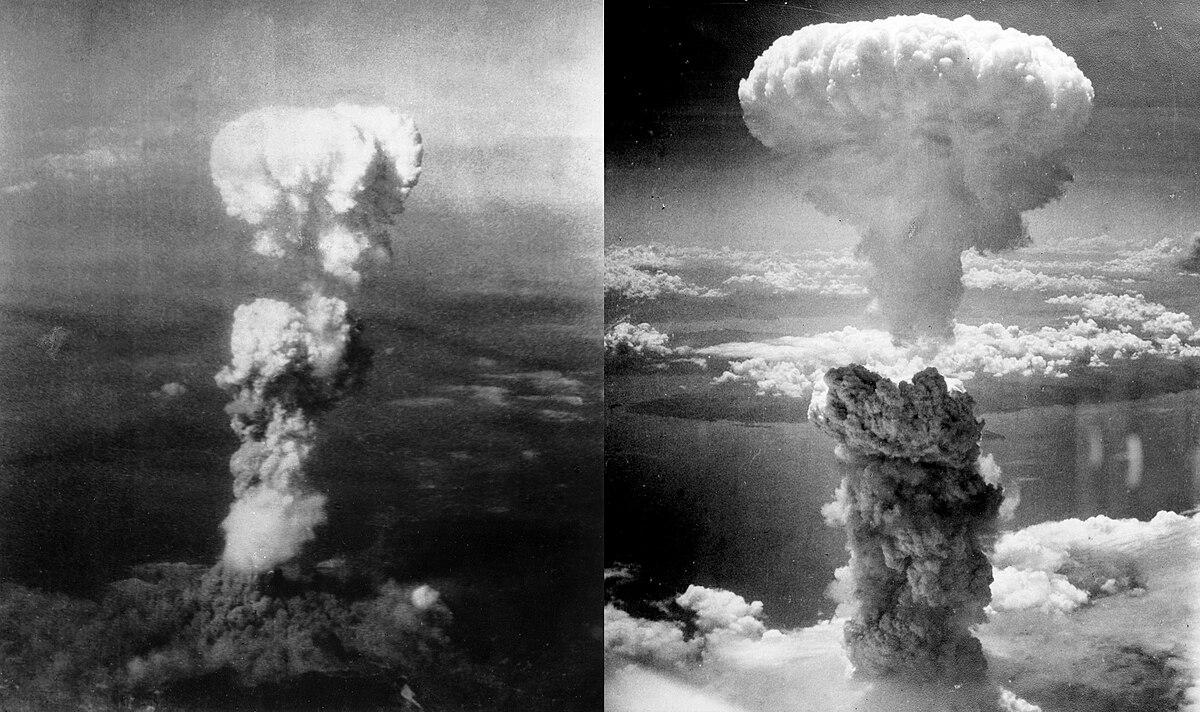
In a pivotal moment of history, the United States faced an unprecedented dilemma: the pursuit of a weapon that could alter the course of warfare forever. As World War II raged on, American leaders grappled with the moral and ethical implications of developing the atomic bomb-a project shrouded in secrecy and steeped in controversy. In a candid reflection on the stakes involved, a senior official ominously remarked, “If we lose, we’ll be tried as war criminals,” highlighting the monumental risks associated with this scientific endeavor. This article delves into the complex motivations, debates, and consequences surrounding America’s controversial path to the atomic bomb, revealing how the decision to unleash nuclear power not only reshaped the landscape of global conflict but also raised profound questions about humanity’s responsibility in wielding such destructive technology.
Impact of Moral Quandaries on Scientific Decisions in Warfare
The decision-making process behind scientific advancements in warfare often grapples with profound ethical dilemmas. The development of the atomic bomb during World War II serves as a striking example, where moral quandaries shaped the trajectory of scientific inquiry and military strategy. The fear of losing the war-and subsequently facing accusations of war crimes-loomed large in the minds of American scientists and military leaders alike. This anxiety created a paradox where the necessity to innovate for national survival clashed with the moral implications of deploying such devastating technology against civilian populations. As scientists engaged in this monumental project, they found themselves at a crossroads, weighing their commitment to scientific progress against their ethical obligations to humanity.
Furthermore, the implications of these moral quandaries extend beyond the immediate consequences of warfare. In historical dialogues about the bomb’s use, discussions often incorporate elements such as:
- Human Costs: The bombings of Hiroshima and Nagasaki resulted in profound civilian casualties and long-term health consequences.
- Scientific Responsibility: The role of scientists in shaping policies and their responsibilities towards the potential misuse of their discoveries.
- Political Leverage: The atomic bomb’s existence influenced post-war geopolitics and the onset of the Cold War.
In examining these factors, one can appreciate the complex interplay between scientific innovation and ethical contemplation. The decisions made during this critical period not only altered the course of the war but also left an indelible mark on how future generations of scientists engage with the implications of their work, especially in contexts where moral and ethical boundaries are tested.
Historical Context and Ethical Dilemmas of the Manhattan Project
The Manhattan Project, initiated in response to the fears of Nazi Germany developing atomic weapons, marked a pivotal moment in military and scientific history. As tensions escalated during World War II, the American government embarked on a clandestine mission that led to the creation of the atomic bomb. This effort, although rooted in the desire to end a devastating war swiftly, posed profound ethical dilemmas about the use of such a destructive force. The fallout from this decision raised questions about the morality of unleashing weapons of mass destruction, as not only would they be employed to end the conflict, but they also signified a new era of nuclear warfare that could lead to unprecedented global destruction.
Within the confines of the project, scientists and military leaders wrestled with the ramifications of their work. The phrase, “If we lose, we’ll be tried as war criminals,” encapsulates the moral burden borne by those involved. The project not only prompted a series of ethical controversies related to civilian casualties, but it also raised alarms about the post-war implications of nuclear arms proliferation. The legacy of the Manhattan Project continues to spark debate over the responsibility of scientists in warfare, the balance between national security and humanitarian considerations, and the urgent need for international nuclear governance. Below is a table summarizing key ethical concerns highlighted during and after the project:
| Concern | Description |
|---|---|
| Civilian Casualties | Debate over the ethical implications of targeting populated areas. |
| Scientific Responsibility | The role of scientists in the development of weapons for mass destruction. |
| Post-War Accountability | Concerns over the future use of nuclear weapons in conflicts. |
| Nuclear Proliferation | The risk of nuclear arms spreading globally following the project. |
Recommendations for Transparent Accountability in Modern Military Technologies
The quest for accountability in the deployment of military technologies, particularly in the context of atomic warfare, necessitates a robust framework that prioritizes transparency alongside effective oversight. Modern military operations often rely on advanced technologies, including drones, cyber-warfare tools, and artificial intelligence, which pose significant ethical concerns. To ensure responsible usage, key recommendations include:
- Implementation of Clear Ethical Standards: Establish and enforce guidelines for the ethical use of military technologies, grounded in international humanitarian law.
- Regular Audits and Assessments: Conduct independent audits of military operations to ensure compliance with established legal and ethical frameworks.
- Stakeholder Engagement: Involve diverse stakeholders, including civil society, technologists, and ethicists, in the decision-making process to enhance public trust.
- Open Data Initiatives: Promote transparency through accessible data regarding military actions and the technologies employed, enabling public scrutiny.
Furthermore, the consequences of failing to implement these recommendations can be dire, potentially leading to increased public backlash and international condemnation. An indicative framework for accountability can be structured in the following manner:
| Accountability Measure | Expected Outcome |
|---|---|
| Clear Ethical Standards | Guided operations minimizing ethical violations. |
| Independent Audits | Verified compliance with ethical and legal norms. |
| Stakeholder Engagement | Enhanced public trust and credibility. |
| Open Data Initiatives | Informed public discourse and oversight. |
The Way Forward
In conclusion, the development of the atomic bomb was not just a significant scientific achievement but also a deeply controversial chapter in American history. The moral and ethical dilemmas surrounding its creation and deployment continue to spark debate among historians, ethicists, and the public alike. As we reflect on the words of those who faced the harrowing decision to utilize such devastating power, it becomes clear that the implications of that decision extend far beyond the battlefield. The narrative of the atomic bomb serves as a potent reminder of the responsibilities that come with technological advancement, urging us to consider not only the pursuit of knowledge but also the potential consequences of its application in global affairs. As we move forward, it is crucial to engage in ongoing dialogues about war, peace, and the humanity that lies at the heart of these complex issues. The legacy of the atomic bomb remains relevant today, compelling us to learn from the past as we navigate an uncertain future.











