
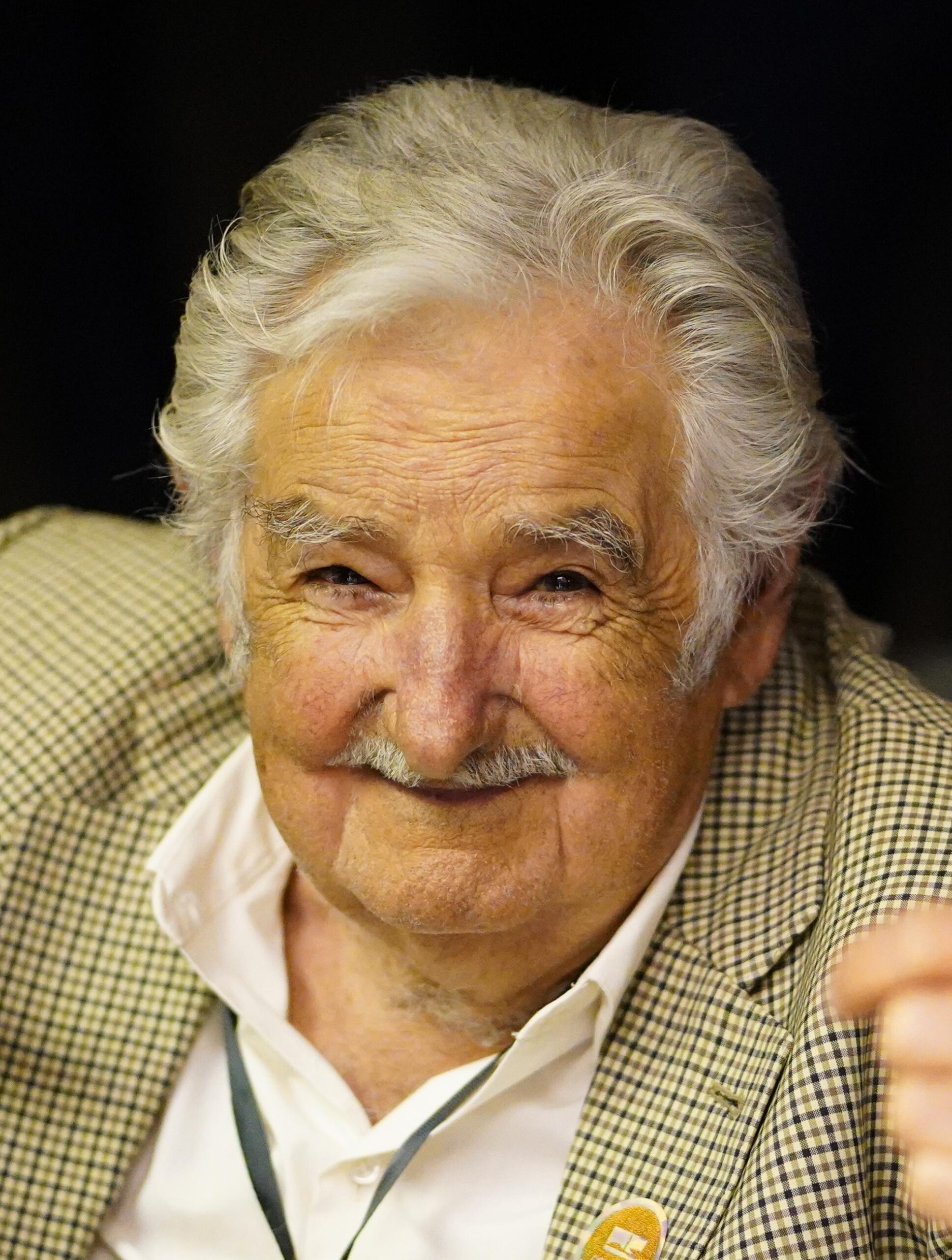
José Mujica, the former President of Uruguay, renowned for his humble lifestyle and progressive policies, has passed away at the age of 89. Often referred to as the “world’s poorest president,” Mujica was a symbol of integrity and a champion for social justice, serving as a beacon of hope for many in a world often characterized by political disillusionment. His presidency, which lasted from 2010 to 2015, was marked by significant reforms in areas such as marijuana legalization, LGBTQ+ rights, and poverty alleviation. As tributes pour in from around the globe, Mujica’s legacy as a leader who prioritized people over profits and advocated for a more equitable society is sure to be remembered and celebrated.
Legacy of Humility and Service Defining José Mujica’s Leadership in Uruguay
José Mujica, the former president of Uruguay, captured the world’s attention not only through his progressive policies but also with his strikingly simple lifestyle. Known as the “world’s poorest president,” Mujica chose to live on a modest farm, donating approximately 90% of his salary to charity. This humility resonated deeply with the Uruguayan people and beyond, as it reflected a stark contrast to the opulent lifestyles often associated with political leaders. Mujica’s leadership style was defined by his unwavering commitment to social justice, environmental sustainability, and a democratic ethos that placed the needs of the citizens above political ambition.
His legacy is marked by significant reforms that advanced human rights and social equity. Under Mujica’s administration, Uruguay became the first country to fully legalize marijuana, a bold move that aimed to combat drug trafficking and promote public health. In addition, his government prioritized issues such as poverty alleviation, gender equality, and LGBTQ+ rights, fostering a culture of inclusivity. The impact of his presidency is evident in the reforms that continue to influence Uruguayan society, epitomizing a leadership model characterized by profound empathy and a spirit of service.
| Key Achievements | Impact |
|---|---|
| Legalization of Marijuana | Addressed drug trafficking and promoted health |
| Gender Equality Initiatives | Increased women’s rights and representation |
| LGBTQ+ Rights Legislation | Strengthened protections and acceptance |
| Poverty Alleviation Programs | Improved living conditions for many citizens |
Global Impact and Inspiration of Mujica’s Values on Modern Political Discourse
José Mujica’s tenure as Uruguay’s president was marked by his characteristically humble lifestyle and inspiring approach to governance, which has resonated well beyond the borders of his nation. Known for his minimalist living, Mujica chose to donate a significant portion of his salary to charitable causes, embodying values of simplicity and solidarity that have sparked discussions in global political discourse. His advocacy for social justice, environmental sustainability, and human rights has paved the way for a new kind of political leadership-one that prioritizes the welfare of citizens over personal gain. As economic inequality and political corruption become increasingly pressing issues worldwide, Mujica’s philosophy presents a compelling narrative for those seeking deeper, more ethical approaches to governance.
Around the globe, Mujica’s values have not only inspired politicians but also social movements demanding transparency and accountability. His notion of “living simply so others may simply live” has permeated activists’ speeches and global forums, urging leaders to consider the broader impact of their policies on society and the planet. To exemplify this influence, we can observe some key principles that Mujica brought to the forefront of political dialogue:
| Principle | Description |
|---|---|
| Simplicity | Emphasis on living without excess while focusing on community welfare. |
| Solidarity | Advocating for support systems that uplift the marginalized. |
| Environmentalism | Pushing for sustainable policies that protect the planet. |
| Human Dignity | Prioritizing the inherent rights and freedoms of all individuals. |
Remembering José Mujica: Lessons Learned from a Life Committed to Social Justice
José Mujica, the former president of Uruguay, embodied a life of simplicity and commitment to social justice that resonated with people around the globe. His leadership style was characterized by a deep empathy for the struggles of ordinary citizens and a profound understanding of political responsibility. Throughout his presidency from 2010 to 2015, Mujica championed numerous policies aimed at reducing inequality and promoting social welfare. Key initiatives included:
- Legalization of marijuana: A bold move that aimed to combat drug-related violence and provide a regulated market.
- Marriage equality: Uruguay became one of the first Latin American countries to recognize same-sex marriage, reflecting Mujica’s progressive vision.
- Social welfare programs: Enhanced access to healthcare, education, and housing for the marginalized sections of society.
Mujica’s philosophy was steeped in humility, often reflected in his famous quote: “I’m not poor, I’m simple.” This deep-rooted belief shaped policies that prioritized the needs of the people over material wealth. His life serves as a testament to the potent impact of compassionate leadership. In remembrance of his legacy, several lessons emerge:
| Lesson | Description |
|---|---|
| Empathy in Governance | Leadership should focus on understanding and addressing the needs of citizens. |
| Simplicity Over Opulence | Choosing a modest lifestyle can highlight the values of equality and justice. |
| Focus on Social Policies | Effective governance requires prioritizing social welfare and inclusion. |
The Way Forward
In conclusion, José Mujica leaves behind a complex legacy marked by his unconventional leadership style and unwavering commitment to social justice. Known affectionately as the “world’s poorest president,” his humble lifestyle and progressive policies have inspired many both within Uruguay and around the globe. As the nation mourns his passing at the age of 89, reflections on his life and presidency will undoubtedly resonate, highlighting the enduring impact of his ideals on contemporary politics. Mujica’s dedication to the welfare of his fellow citizens and his belief in the power of empathy and humility will continue to influence future generations, ensuring that his spirit remains present in the hearts of those who champion justice and equality.









