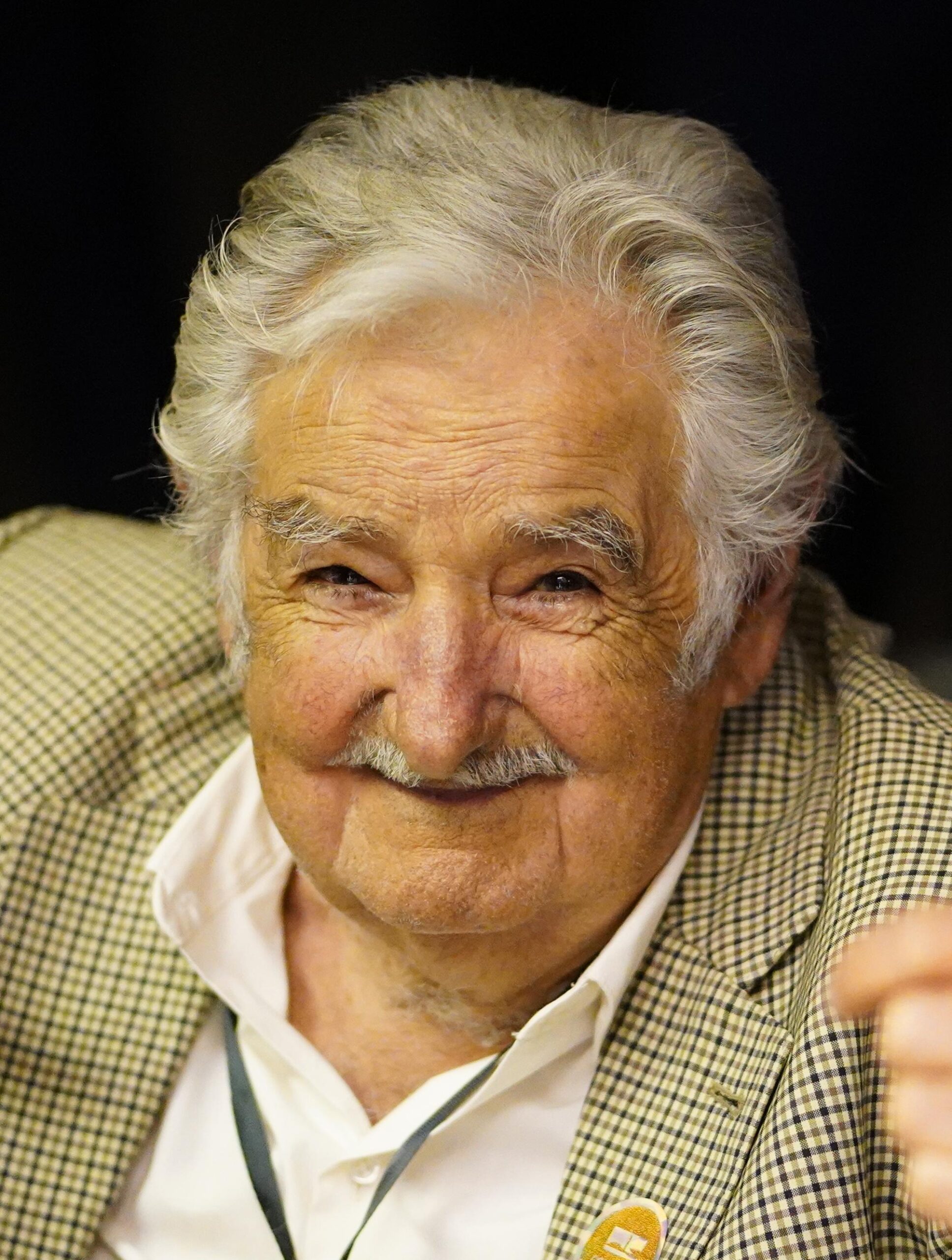
Jose Mujica, the former president of Uruguay renowned for his austere lifestyle and profound connection with the common people, has passed away at the age of 89. Often referred to as the “world’s poorest president,” Mujica’s tenure from 2010 to 2015 was marked by progressive policies and a commitment to social justice that galvanized both national and international admiration. His unconventional approach to leadership, which often emphasized humility over opulence, provided a sharp contrast to the typical image of political power. Mujica’s legacy extends beyond his time in office, influencing a generation of activists and leaders who aspire to prioritize people over profit and integrity over ambition. As the world reflects on his remarkable life and contributions, Mujica’s passing marks the end of an era defined by a unique blend of charisma, simplicity, and unwavering dedication to the principles of democracy and equality.
Legacy of Humility and Social Justice in Jose Mujica’s Presidency
Jose Mujica’s presidency from 2010 to 2015 was characterized by an unwavering commitment to principles of humility and social justice, which set a benchmark for leaders both regionally and globally. With his austere lifestyle, frequently residing in a modest farmhouse instead of the presidential mansion, Mujica demonstrated a profound rejection of opulence in politics. This approach not only garnered substantial public support but also resonated with those advocating for equity across socioeconomic spectrums. His government advanced significant reforms, emphasizing programs that prioritized the underprivileged and seeking to rectify historical injustices that marginalized various sectors of Uruguayan society.
Central to Mujica’s legacy was a transformative agenda that included the legalization of same-sex marriage and the regulation of marijuana, both groundbreaking movements in a region often resistant to progressive change. These initiatives were underpinned by a belief in freedom and equality; Mujica viewed social policies as instruments to foster inclusivity and generate opportunities for all citizens. Notably, the results of his presidency can be summarized in the following table:
| Initiative | Description | Impact |
|---|---|---|
| Same-Sex Marriage | Legalization in 2013 | Strengthened LGBTQ+ rights |
| Marijuana Regulation | State-controlled distribution | Decreased drug-related violence |
| Poverty Alleviation | Enhanced social welfare programs | Reduced poverty rates |
Reflections on a Unique Leadership Style that Reshaped Uruguay
Jose Mujica, the former President of Uruguay, was not just a leader; he was a symbol of radical simplicity and a challenge to conventional political paradigms. His time in office was marked by his unique leadership style, which emphasized humility and transparency. Rejecting the opulence often associated with political power, Mujica famously lived in a modest farmhouse and donated over 90% of his salary to charity. This lifestyle resonated deeply with ordinary citizens and served as a powerful reminder that true leadership is about service, not status. Under his presidency, Uruguay witnessed significant advancements in social justice, including the legalization of same-sex marriage and the regulated sale of marijuana, both milestones that positioned the country as a progressive leader in Latin America.
Mujica’s approach was characterized by a profound connection to the grassroots, allowing him to articulate the struggles of the common people effectively. His authentic communication style was marked by directness and warmth, often captivating audiences with personal anecdotes and philosophical reflections. Key aspects of his leadership included:
- Inclusivity: Engaged with citizens through open dialogues.
- Integrity: Maintained a consistent public persona, aligned with his private life.
- Vision: Advocated for a holistic development model prioritizing social welfare over economic gain.
This blend of values not only reshaped Uruguay’s political landscape but also left an indelible mark on global leadership discourse, showcasing that humility, integrity, and authenticity can indeed drive profound societal change.
Lessons from Mujica’s Approach to Governance and Personal Integrity
Throughout his presidency, Jose Mujica demonstrated a profound commitment to personal integrity and governance that prioritized the welfare of the Uruguayan people over ostentation. Renowned for his humble lifestyle, which included living on a modest farm and donating the majority of his earnings to social causes, Mujica’s approach serves as a compelling model for leaders worldwide. His blend of authenticity and pragmatism encouraged citizens to engage actively in democracy, fostering a sense of shared responsibility. By rejecting the trappings of political power, he challenged conventional notions of leadership, emphasizing that the role of a president should be to serve rather than to be served.
Elements of Mujica’s governance that can be adopted by contemporary leaders include:
- Transparency: Open communication fosters trust and accountability among the populace.
- Simplicity: Living modestly can dismantle elitism and resonate deeply with constituents.
- Compassionate policies: Focusing on social equity enhances public welfare and cohesion.
- Public engagement: Encouraging citizen participation can lead to more robust democratic processes.
Furthermore, examining his administrative priorities reveals a commitment to sustainable development. The following table illustrates key aspects of Mujica’s governance that have far-reaching implications:
| Policy Focus | Impact |
|---|---|
| Sustainable agriculture | Promoted food security and local economies. |
| Education reform | Increased literacy and access to knowledge for all citizens. |
| Social welfare programs | Addressed poverty and inequality, improving quality of life. |
To Conclude
In conclusion, the passing of José Mujica marks the end of an era for a leader who embodied simplicity and humility in a world often driven by excess. Known for his austere lifestyle and progressive ideals, Mujica’s legacy extends beyond his tenure as Uruguay’s president to inspire activists and politicians worldwide. His dedication to social justice, environmental sustainability, and the welfare of the disadvantaged will continue to resonate with those who strive for a more equitable society. As Uruguay mourns the loss of this iconic figure, his life serves as a potent reminder of the transformative power of empathy and integrity in leadership. The impact of Mujica’s vision will undoubtedly endure, influencing future generations to prioritize humanity over materialism.