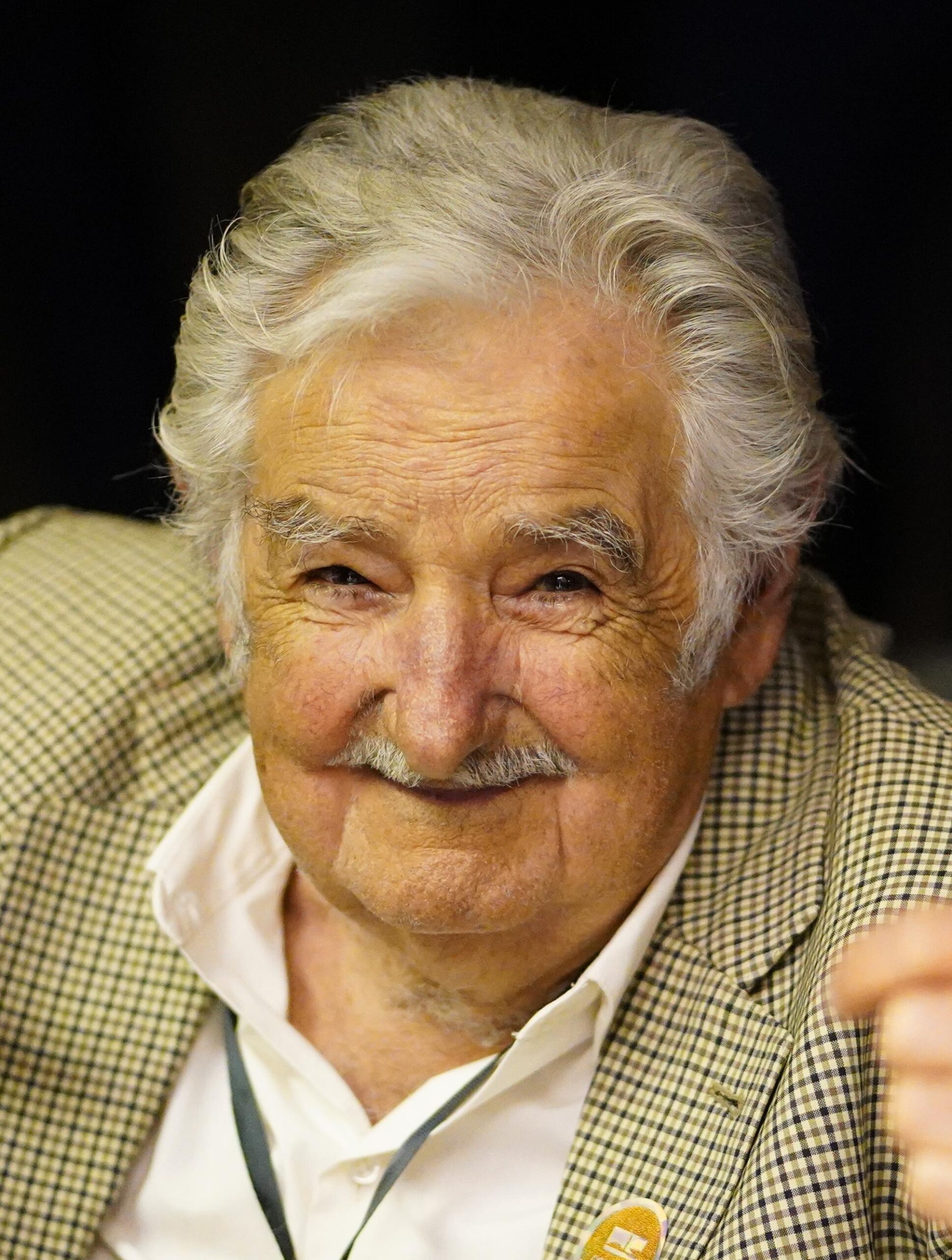
José Mujica: A Legacy of Humble Leadership and Progressive Change
José Mujica, the former president of Uruguay celebrated for his modest lifestyle and forward-thinking policies, has died at the age of 89. His presidency from 2010 to 2015 established him as a symbol of genuine leadership, often referred to as “the world’s poorest president” due to his choice to reside in a simple farmhouse instead of the presidential residence. During his time in office, Mujica implemented important social reforms such as legalizing same-sex marriage and regulating marijuana use, positioning Uruguay as a leader in progressive politics within Latin America. As news of his passing spreads worldwide, reflections on Mujica’s life underscore not only his substantial influence on Uruguayan society but also the lasting relevance of his egalitarian vision amid growing global polarization.
Mujica’s Impact on Uruguayan Politics
Often hailed as “the world’s humblest president,” José Mujica leaves behind an extraordinary legacy that resonates both nationally and internationally. His unconventional approach—marked by simplicity and a rejection of extravagance—has redefined leadership standards. Throughout his presidency (2010-2015), he championed progressive reforms aimed at enhancing social equity, including pioneering policies related to marijuana legalization, same-sex marriage rights, and poverty reduction initiatives. Having endured 14 years imprisoned under military rule, Mujica developed a profound connection with ordinary citizens that shaped both his character and political beliefs.
The principles he advocated transcended mere policy; they embodied an ethos rooted in integrity and compassion. His approachable demeanor coupled with a simple lifestyle captivated audiences far beyond Uruguay’s borders. The essence of Mujica’s contributions can be distilled into several key themes:
- Pursuing social inclusion through innovative policies.
- Nurturing peaceful dialogue across political divides.
- Pioneering environmental awareness within governance frameworks.
- Dedicating personal resources for the benefit of others.
Mujica’s narrative serves as an inspiring reminder that strength can be found through humility and resilience amidst political strife. While he may no longer be with us, the values he espoused will continue to inspire those who seek purposeful leadership grounded in integrity.
Insights into Mujica’s Leadership Style and Policies
Mujica garnered international attention for his straightforward governance style characterized by empathy during his tenure from 2010 until 2015. He famously resided on a small farm while donating much of his salary towards various social programs—a stark contrast to conventional political practices seen elsewhere around the globe.
Mujica prioritized social equity by emphasizing fundamental rights such as education access, healthcare availability, and comprehensive welfare systems. Underhis guidance,Uruaguay emerged at forefronts progressive movements like legalizing same-sex marriageand establishing regulations around cannabis use—demonstrating courageously challenging existing norms for societal betterment.
A defining aspectofMujicawas hishis authentic rapportwith citizens;he often shared meals with farmersand listened attentivelyto their concerns.This direct engagement significantly enhancedhis popularity.His speeches resonated deeply not only withinUruguaybut also globallyas he advocatedfor compassionate governance valuing human happiness over material wealth.Mujicabecamean emblematic figure representing hopefor those yearningfor equitable societiesby assertingthat“politics should serve people rather than vice versa.”
| Mujicas Key Policies | Description | |
|---|---|---|
| Cannabis Legalization | Established regulatory measures governing cannabis productionand consumption . | |
| Same-Sex Marriage Legislation | Passed laws allowingsame-sex couples equal marital rights . | |
| Social Welfare Initiatives | Enhanced funding allocated toward educationand healthcareto mitigate inequality . |
|
Global Reach: Social Justice Advocacy & Sustainability Efforts by Mujica
The impactofJoséM ujicatranscendsUruguay , servingas aglobal beaconofsocial justiceandsustainability.His principlesof<stronghumility , egalitarianism ,andenvironmental stewardshiphave inspiredmovementsworldwide ignitingdiscussionsonhowgovernmentscan effectivelyaddresspovertyandenvironmentaldegradation.M ujicashighlightedpracticalsolutions urgingpolicymakersto prioritize marginalizedcommunitieswhiletacklingclimateissues simultaneously.Thisapproachhasfosteredincreasedawarenessinitiativesinothernationsseekingtoemulatehismodelgovernancewhichchampionsthewell-beingpeopleovercorporateinterests.
Furthermore,M ujicashadvocacyprogressivepolicies catalyzedcollaborationsamongdiverseorganizationsfocusedonsocialequityandsustainablegrowth.Hisunwaveringcommitmentopenness,inclusiveness,andcivicengagementencouragedgrassrootsmovementsdemandbettergovernanceenvironmentalprotectionglobally.Notably,hisefforts have influencedinternationalforumsleadingtoestablishmentinitiativeslike:
| Initiative | Description | / tr > |
|---|---|---|
| S ocialEquityPrograms | Tacklingwealthgapsusingredistributivepolicies. | |
| SustainableAgriculture | Cultivatingorganicfarmingensuringfoodsecurity. | |
| E nvironmentalAdvocacy | A dvocatingrenewableenergyconservation. |