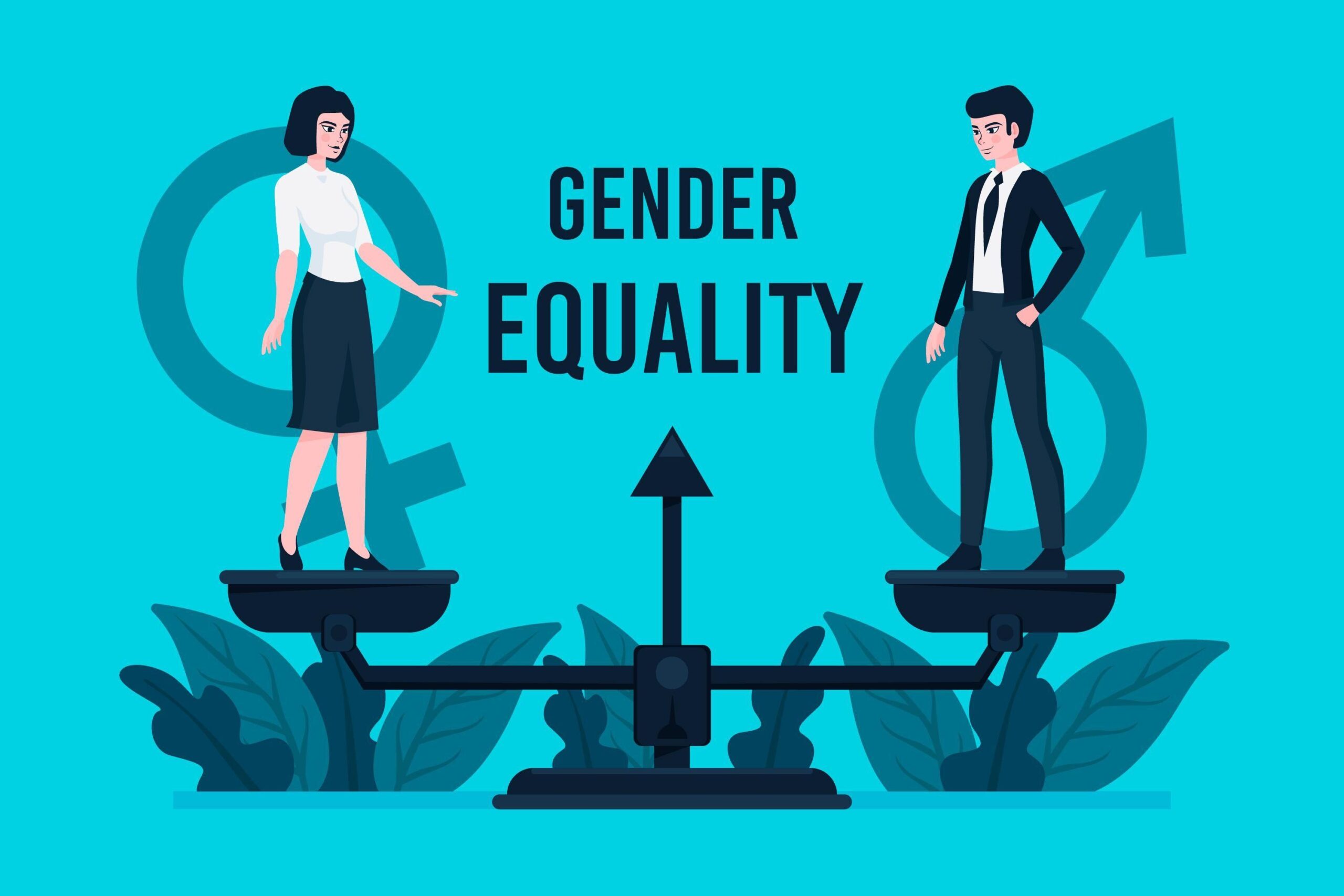
Gender Equality, Disability, and Social Inclusion Analysis in Latin America: A Focus on Uruguay 2025
As countries across Latin America strive to create more inclusive societies, Uruguay stands out as a beacon of progress and innovation. This week, the Overseas Development Institute (ODI) released a comprehensive report examining the interplay of gender equality, disability, and social inclusion in Uruguay, setting the stage for transformative change by 2025. The report highlights not only the challenges faced by marginalized communities but also the policies and initiatives that have the potential to advance equity across the region. With a population of 3.5 million that often leads in social development indices, Uruguay’s unique approach provides critical insights for other Latin American nations. This analysis promises to inform both policymakers and advocates, as the region grapples with longstanding disparities that hinder social and economic development. As we delve into the findings of this pivotal report, we uncover the urgent need for collaborative efforts to foster a society where every individual, regardless of gender or ability, is empowered to participate fully.
Gender Equality and Disability: The Path to Inclusive Policies in Uruguay
In Uruguay, the intersection of gender equality and disability has emerged as a vital focus for developing inclusive policies that safeguard the rights of marginalized populations. As the nation approaches its 2025 goals, policymakers must ensure that all voices are heard, particularly those of women and individuals with disabilities who often face layered challenges. Effective strategies include:
- Inclusive Legislation: Advocating for laws that specifically address the needs of women with disabilities.
- Awareness Campaigns: Promoting awareness around the rights of disabled women through community outreach initiatives.
- Access to Resources: Ensuring equitable access to healthcare, education, and employment opportunities.
- Stakeholder Engagement: Involving disabilities advocacy groups in policy-making processes to ensure their insights shape outcomes.
Data highlighting the current landscape can provide insight into progress and areas needing improvement. For example, a recent survey indicated that only 30% of women with disabilities feel their needs are adequately represented in national policies. Tabulated below is a brief analysis of the perceptions surrounding gender equality and disability rights among Uruguayan women:
| Perception | Percentage (%) |
|---|---|
| Feel represented in policies | 30 |
| Believe support services are accessible | 45 |
| Have experienced discrimination | 65 |
This data underlines the urgent need for cohesive frameworks that can champion the rights of women with disabilities, ensuring that their voices contribute to the broader discussions on gender equality in Uruguay.
Challenging Social Barriers: Empowering Disabled Communities in the Drive for Equality
In Uruguay, the focus on disabling social barriers is paramount as the nation steers toward an inclusive future for all citizens. Recent initiatives aim to not only uplift the disabled community but also integrate their rights into the broader discourse on equality. Key strategies that have been implemented include:
- Policy Reformation: Revising existing legislation to ensure accessibility in public spaces and services.
- Awareness Campaigns: Educating the public about the challenges faced by individuals with disabilities to foster empathy and understanding.
- Collaborative Platforms: Establishing partnerships between government, NGOs, and disabled individuals to co-create solutions that cater directly to the community’s needs.
These efforts signal a turning point in the pursuit of a socially inclusive environment. With a focus on empowerment and self-advocacy, local communities are beginning to spearhead a cultural shift toward acknowledging and addressing the systemic obstacles that persist. Current data reveals a growing representation of disabled individuals in leadership roles, which is essential for shaping policies that reflect their experiences:
| Year | Leadership Representation (%) |
|---|---|
| 2020 | 15% |
| 2022 | 25% |
| 2025 | 40% (projected) |
By envisioning a future where disabled individuals are not merely beneficiaries of aid but are active contributors to society, Uruguay sets a compelling example for the rest of Latin America. Such progress necessitates ongoing dialogue and commitment to dismantling not just physical barriers, but also societal misconceptions that hinder true equality.
Building Bridges: Recommendations for Urgent Action Towards Social Inclusion in 2025
As we approach 2025, it becomes imperative for Uruguay to focus on actionable strategies to foster social inclusion that effectively addresses gender equality and disability rights. The need for collaborative efforts between government, civil society, and the private sector is critical to dismantling systemic barriers that perpetuate inequality. Stakeholders are encouraged to:
- Enhance accessibility to public spaces and services, ensuring that all individuals, regardless of gender or ability, can participate meaningfully in society.
- Implement comprehensive training programs aimed at empowering women and individuals with disabilities, equipping them with skills that enhance employment opportunities.
- Promote inclusive policies in educational institutions to create a supportive environment for all students.
Furthermore, monitoring and evaluation mechanisms should be established to measure the effectiveness of inclusion initiatives. By leveraging data and feedback, Uruguay can adapt its strategies to meet the evolving needs of its diverse population. A collaborative platform could serve to:
- Facilitate dialogue among affected communities to ensure their voices are heard in policy-making processes.
- Share best practices from successful inclusion programs both locally and globally, fostering an exchange of innovative solutions.
- Engage local leaders to champion inclusivity in their neighborhoods, establishing community-driven accountability.
In Summary
In conclusion, the ODI’s analysis of gender equality, disability, and social inclusion in Uruguay offers a critical snapshot of the challenges and opportunities facing the nation as it moves towards 2025. By examining the intersectionality of these vital social issues, the report underscores the need for integrated policies that address the unique barriers faced by marginalized groups. With concerted efforts from the government, civil society, and international partners, Uruguay stands poised to make significant strides in promoting equality and inclusion for all its citizens. As the nation navigates this complex landscape, the commitment to fostering a more equitable society serves not only as a benchmark for progress in Latin America but also as a beacon of hope for other nations striving to achieve similar goals. The path forward may be fraught with obstacles, but with bold action and collaborative spirit, Uruguay can indeed lead the charge towards a more just and inclusive future.