
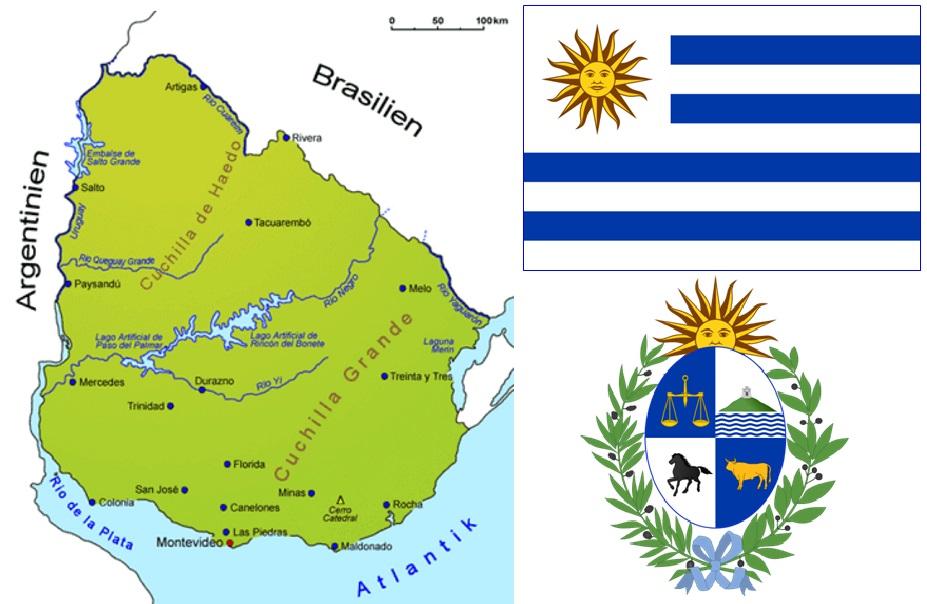
In a groundbreaking move, Uruguay has made history by becoming the first country in Latin America to decriminalize euthanasia, paving the way for a significant shift in the region’s approach to end-of-life care. This landmark decision, passed by the Uruguayan legislature, marks a pivotal moment in the ongoing global debate surrounding assisted dying and individual autonomy in matters of life and death. Supporters of the legislation argue that it provides compassionate options for those suffering from terminal illnesses, while opponents raise ethical concerns about the implications of such a policy. As discussions around euthanasia continue to evolve, Uruguay’s decision could set a precedent for neighboring countries grappling with similar moral and legal questions.
Uruguay Sets a Landmark Precedent in Latin America with Euthanasia Decriminalization
In a historic decision, Uruguay has become the first country in Latin America to officially decriminalize euthanasia, paving the way for a more compassionate approach to end-of-life care. By enacting this legislation, the Uruguayan government acknowledges the importance of individual autonomy, allowing individuals facing terminal illnesses the right to choose a dignified death. This landmark move is set to influence the regional conversation around medical ethics and human rights, as countries across Latin America grapple with similar issues of healthcare and personal choice.
| Key Aspects of the Legislation | Details |
|---|---|
| Eligibility | Patients with terminal illnesses and unbearable suffering |
| Requirements | Multiple consultations with medical professionals |
| Waiting Period | Mandatory 15-day reflection period |
| Safeguards | Consent must be continuous and can be revoked at any time |
The decriminalization of euthanasia in Uruguay not only brings local change but may also serve as a catalyst for broader reforms across the region. Advocates argue that it addresses an urgent need for humane options in end-of-life scenarios and challenges the deeply rooted cultural and religious sentiments that often complicate discussions around death. As the implementation of this law unfolds, other countries may look to Uruguay as a model, sparking a vital discourse on the ethical dilemmas surrounding death with dignity in Latin America.
Exploring the Implications for End-of-Life Care and Patient Rights in Uruguay
The recent legislation in Uruguay that decriminalizes euthanasia marks a significant turning point in the realm of end-of-life care, raising complex questions regarding patient autonomy and ethical practices within the healthcare system. With this landmark decision, patients facing terminal illnesses are now empowered to make critical choices about their own lives, including the right to choose a dignified death. This shift is expected to foster open discussions about the quality of life, suffering, and the responsibilities of healthcare providers towards their patients. Stakeholders including medical professionals, ethicists, and patient advocacy groups are urged to reevaluate existing frameworks to ensure that these new rights are upheld and that patients receive comprehensive support throughout the process.
As Uruguay leads the way in Latin America, other countries may follow suit, spurring broader conversations around patient rights and end-of-life care. The implications of this legislation extend beyond individual cases; they prompt considerations of how laws intersect with medical ethics, religious beliefs, and cultural values. Key considerations include:
- Informed Consent: Ensuring that patients fully understand their options and the consequences of their choices.
- Access to Care: Guaranteeing equitable access to end-of-life options for all segments of the population.
- Safeguards and Oversight: Establishing regulations to prevent abuse and ensure ethical practices among healthcare providers.
Recommendations for a Robust Regulatory Framework to Ensure Ethical Euthanasia Practices
The recent decriminalization of euthanasia in Uruguay sets a precedent in Latin America and highlights the need for a comprehensive regulatory framework to ensure ethical practices in this sensitive area. The framework should encompass several critical components to safeguard both patients and medical professionals. Essential elements to consider include:
- Strict Eligibility Criteria: Establish clear guidelines for who qualifies for euthanasia, ensuring it is only accessible to individuals enduring intolerable suffering.
- Thorough Psychological Evaluation: Require mental health assessments to confirm that patients are making informed and voluntary decisions.
- Mandatory Cooling-Off Periods: Implement waiting periods to allow individuals the opportunity to reconsider their decisions.
- Transparency and Accountability: Create mechanisms for documenting and reviewing euthanasia cases to maintain public trust and ethical integrity.
Alongside these provisions, the integration of multidisciplinary oversight committees can help navigate the complex ethical landscapes that arise in end-of-life situations. These committees should comprise healthcare professionals, legal experts, and ethicists who can evaluate each case’s merits while considering the patient’s rights. Implementing public awareness campaigns and training for healthcare workers on euthanasia laws and best practices can also promote a compassionate approach throughout the healthcare system. The intersection of ethical guidelines and practical regulations is essential to foster a responsible environment for euthanasia in Uruguay and beyond.
The Way Forward
In conclusion, Uruguay’s landmark decision to become the first country in Latin America to decriminalize euthanasia represents a significant shift in the region’s approach to end-of-life issues. This decision not only reflects evolving societal attitudes towards autonomy and compassionate care but also sets a precedent for neighboring nations to reconsider their own policies. As the conversation around euthanasia continues to grow, Uruguay’s pioneering move could pave the way for more comprehensive discussions on patient rights and ethical medical practices across Latin America. As this historic legislation comes into effect, the eyes of the world will be watching closely to see how it is implemented and received by its citizens.









