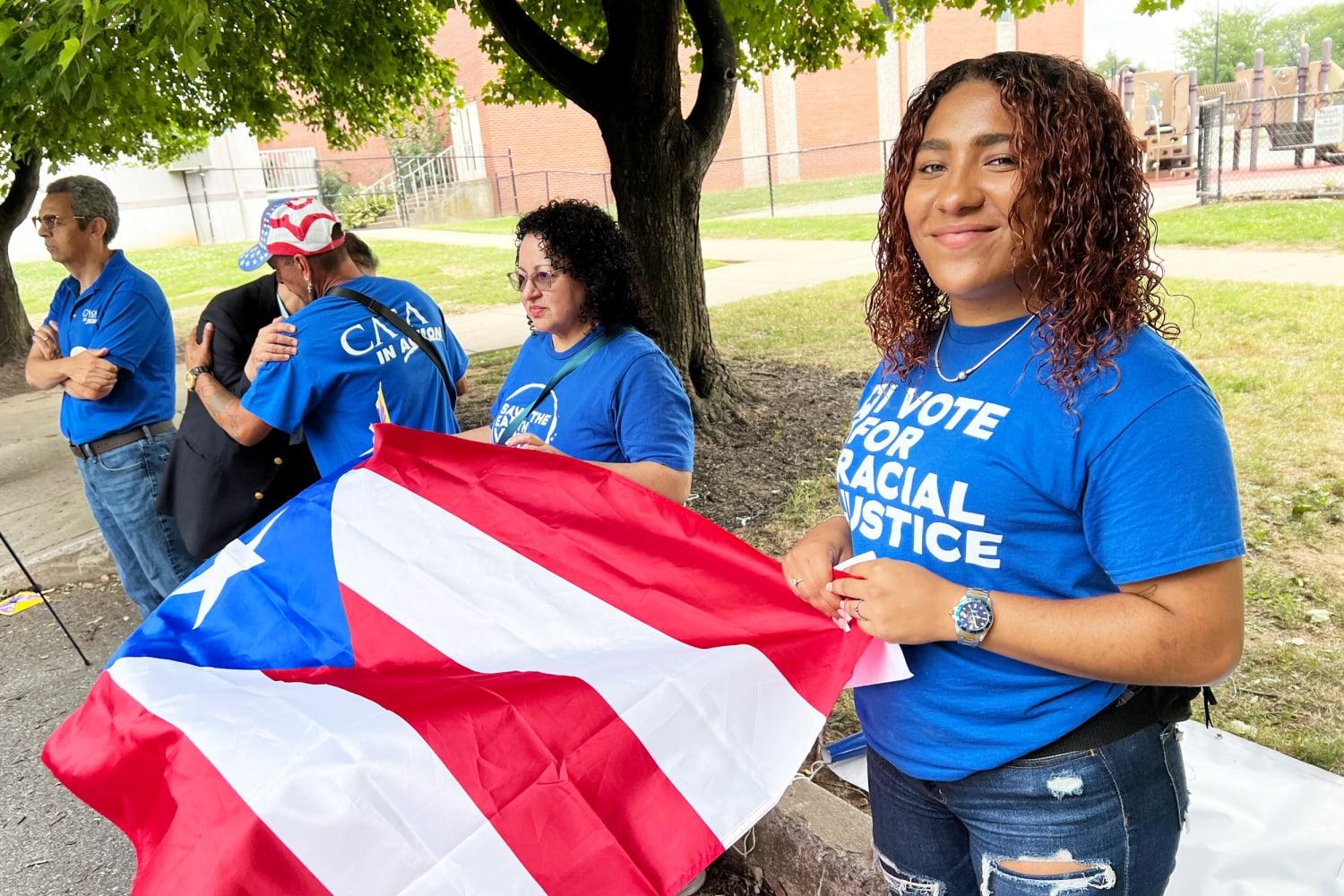
As the 2024 presidential election draws near, the topic of voter rights and eligibility in U.S. territories has emerged as a significant issue in national discussions. While citizens across the 50 states gear up to vote,individuals residing in Puerto Rico,the Virgin Islands,and other U.S. territories confront a challenging reality: despite their American citizenship, they are barred from participating in presidential elections. This article examines the intricate legal history and systemic factors that contribute to this disenfranchisement, highlighting its impact on millions of Americans living in these regions and the ongoing dialog about their role within the democratic framework. With shifting political dynamics and increasing calls for equity, it is indeed essential to grasp the voting rights of these U.S. citizens.
Understanding Voting Rights for U.S. Territories
The voting rights of individuals living in U.S. territories such as Puerto Rico and the Virgin Islands have been contentious topics over many election cycles. Even though these areas fall under U.S. jurisdiction, their residents are largely excluded from participating in presidential elections—a situation that creates significant disparities in political representation among American citizens.
Key considerations regarding voting rights for residents of these territories include:
- Absence from Electoral College: Individuals from U.S. territories do not have a voice within the Electoral College system that determines who becomes president.
- Local Election Participation: While they can engage in local governance elections within their territory, this participation does not extend to federal offices.
- Advocacy Movements: Numerous advocacy groups are actively working towards changing this status quo by pushing for full voting rights for territorial residents.
The historical context surrounding voting rights reveals an ongoing struggle with federal governance that has left many residents feeling politically marginalized.
Voting Status Overview
The following table outlines whether various U.S. territories can participate in presidential elections:
| Territory | Presidential Voting Eligibility |
|——————-|——————————–|
| Puerto Rico | No |
| Virgin Islands | No |
| Guam | No |
| American Samoa | No |
Legal Framework Influencing Electoral Participation
The legal landscape governing electoral participation among Puerto Rico and other territories is shaped by a combination of federal laws, local regulations, and unique territorial statuses that complicate matters further.
Although residents are recognized as U.S. citizens, their ability to vote—especially during federal elections—is severely limited due to several key legal elements defined by the Constitution, various federal statutes, and local electoral laws specific to each territory.
A pivotal aspect influencing this situation stems from the Insular Cases,which were Supreme Court decisions made during the early 20th century that established parameters around citizenship rights for inhabitants of non-state regions.
Specifically:
- Residents of Puerto Rico maintain a legislative assembly but lack congressional representatives who can vote.
- Similarly situated individuals from the Virgin Islands cannot cast votes for president while having only non-voting delegates representing them at Congress.
- These areas must adhere to federal laws yet do not enjoy full representation akin to states within those frameworks.
Addressing Implications & Recommendations for Improved Voting Access
Given current challenges faced by voters residing within US territories regarding access to electoral processes—particularly during presidential elections—it is crucial we recognize how exclusion undermines democratic principles while fostering feelings of disenfranchisement among communities affected by such policies.To improve access effectively requires implementing targeted recommendations aimed at bridging gaps between these regions’ needs versus existing electoral systems:
- Comprehensive Federal Legislation: Enactment should focus on ensuring all citizens possess equal voting rights irrespective of territorial classification.
- Awareness Campaigns: Initiatives designed specifically around educating voters about registration processes could considerably enhance participation rates across US territories.
- Monitoring Mechanisms: Establishing transparent systems dedicated solely towards overseeing electoral fairness will help ensure accessibility remains prioritized throughout all stages leading up through actual polling days themselves.
Moreover collaboration between both state-level authorities alongside respective territorial governments plays an instrumental role facilitating smoother pathways toward increased voter engagement opportunities moving forward into future election cycles—especially when considering technological advancements like online registration platforms or mobile polling units capable overcoming geographic barriers often encountered throughout remote locations nationwide today!
Identifying Barriers Impacting Voter Engagement
Addressing long-standing obstacles hindering effective voter turnout necessitates recognizing specific barriers currently present which may deter active involvement amongst eligible populations residing here:
| Barrier | Result |
|———————–|————————————–|
| Lack of Awareness | Results in lower turnout rates due |
| Logistical Issues | Creates difficulties accessing polls |
| Financial Constraints | Limits resources available monitoring outreach efforts |
By tackling these issues head-on through strategic initiatives aimed directly at enhancing overall engagement levels—we stand poised better position ourselves collectively ensuring every citizen’s voice resonates clearly heard come time elect leaders shaping our nation’s future!
Conclusion: The Path Forward
While individuals living across places like Puerto Rico or Virgin Islands contribute significantly toward America’s cultural tapestry—their limited ability participate fully during critical moments such as presidential elections raises pressing questions concerning equity representation democracy itself! As discussions continue surrounding potential reforms necessary achieve greater inclusivity—it becomes increasingly vital understand complexities involved navigating existing structures currently preventing fair treatment all Americans irrespective where they reside!