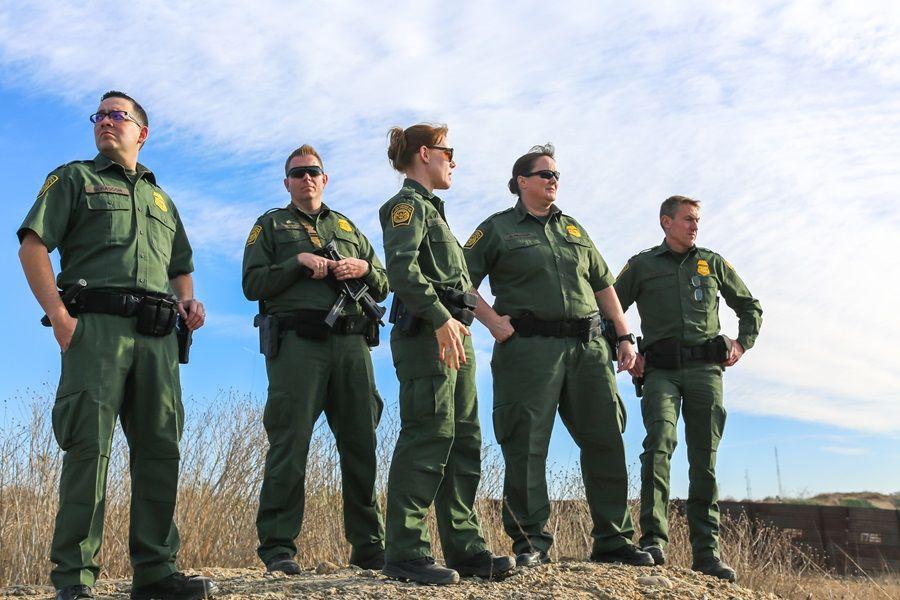
Title: The Imperative for Enhanced Border Security in the U.S. Virgin Islands
As the U.S. Virgin Islands grapples with increasing challenges related to immigration and security, the call for enhanced border protection has never been more urgent. In recent years, the islands have experienced a surge in illegal crossings, drug trafficking, and other illicit activities that threaten the safety and stability of the region. The unique geographic position of the U.S. Virgin Islands, nestled within the Caribbean archipelago, makes effective border control not just a necessity for local governance but a critical element of national security. This article delves into the myriad factors driving the demand for heightened border security in the U.S. Virgin Islands, exploring the implications for residents, law enforcement, and policymakers. As the conversation around immigration reforms and border policies intensifies across the nation, the U.S. Virgin Islands stands at the forefront of a pressing debate that echoes far beyond its shores.
Strengthening Maritime Surveillance in the U.S. Virgin Islands
In recent years, the U.S. Virgin Islands have faced increasing challenges related to maritime security and border control. The region’s vast maritime boundaries, combined with its strategic location in the Caribbean, have made it a prime target for illicit activities such as drug smuggling and human trafficking. To address these threats, it is crucial to enhance maritime surveillance capabilities. This can be achieved through a combination of advanced technology and increased collaboration among various federal, state, and local agencies. By implementing state-of-the-art monitoring systems and bolstering on-water asset deployments, the U.S. Virgin Islands can significantly improve its ability to detect and respond to unauthorized activities at sea.
Key steps to strengthen maritime surveillance in the islands include:
- Integrating High-Tech Solutions: Utilizing drones, satellite imagery, and radar systems to monitor vast ocean areas for suspicious behavior.
- Joint Agency Operations: Establishing multi-agency task forces that include the U.S. Coast Guard, local law enforcement, and federal agencies to streamline efforts and share intelligence.
- Community Engagement: Encouraging local residents to report unusual activities can create an invaluable network of eyes and ears along the coastlines.
Moreover, investment in training for local maritime law enforcement personnel is essential. Providing hands-on experience with the latest technological tools enhances their ability to respond effectively. A comprehensive approach will not only deter illegal activity but also foster a sense of security among residents. Improved surveillance capabilities will be a pivotal factor in safeguarding the islands’ borders and, by extension, the safety of its communities.
Addressing Immigration Challenges and Facilitating Comprehensive Policy Solutions
The U.S. Virgin Islands face unique challenges when it comes to immigration and border security. As a territory that exists at a crossroads of maritime traffic, it experiences an influx of individuals seeking a better life, which sometimes leads to humanitarian crises as well as increased illegal crossings. Implementing a multifaceted approach is critical, where measures not only involve enforcement but also humanitarian assistance. This balance allows for effective management of those seeking asylum while ensuring the safety and security of the Islands’ residents. Potential solutions include:
- Enhanced Surveillance: Utilizing cutting-edge technology to monitor coastal borders more efficiently.
- Community Engagement: Collaborating with local organizations to create support networks for immigrants.
- Streamlined Processing: Establishing expedited asylum processes to reduce backlogs without compromising on thoroughness.
Moreover, comprehensive policy solutions must also address the root causes of migration to the Virgin Islands. Many migrants flee political instability, economic hardship, and natural disasters in their home countries. By prioritizing international partnerships and development aid, the territory can contribute to long-term stability in the region. These policies can be complemented by:
| Focus Area | Proposed Action |
|---|---|
| Economic Development | Invest in job creation programs in source countries. |
| Education & Training | Support educational initiatives aimed at youth in vulnerable communities. |
| Political Stability | Engage in diplomatic efforts to support democratic processes. |
Enhancing Community Engagement to Foster Support for Border Security Initiatives
Effective community engagement plays a crucial role in rallying support for border security initiatives. Building trust and fostering open dialogue between local residents, law enforcement agencies, and policymakers can create a collaborative atmosphere where concerns and solutions are openly shared. Communities can take an active stance by organizing forums and public discussions where citizens can voice their opinions, raise questions, and become part of the solution. Such initiatives not only empower residents but also facilitate an understanding of the importance of strong border security in enhancing safety and economic stability.
Moreover, outreach programs targeted at youth can cultivate a sense of responsibility and awareness regarding border security challenges. Local schools and organizations can collaborate to develop educational workshops that inform students about the implications of border policies and the role of security measures in protecting their homeland. By incorporating input from community leaders and law enforcement into these programs, residents will better appreciate the complexities of border issues, ultimately fostering a more supportive environment for security initiatives. Potential strategies include:
- Community Workshops: Regular sessions aimed at educating citizens on border security.
- Volunteer Programs: Involving residents in local safety and security efforts.
- Partnerships with Local Businesses: Encouraging support for initiatives that enhance border security through sponsorships.
For effective implementation, it is essential to measure community engagement efforts and adjust strategies based on feedback. A consolidated approach can be illustrated as follows:
| Engagement Strategy | Expected Outcome | Indicators of Success |
|---|---|---|
| Regular Public Forums | Increased trust between community and authorities | Number of participants, feedback ratings |
| Youth Workshops | Enhanced awareness and responsibility | Participant surveys, follow-up assessments |
| Partnerships with Local Businesses | Financial support for initiatives | Amount of funding raised, number of sponsors |
In Summary
In conclusion, the conversation surrounding border security in the U.S. Virgin Islands has become increasingly urgent as policymakers and residents alike grapple with the unique challenges faced by these islands. The strategic importance of securing the territory’s borders cannot be overstated, as it is pivotal for protecting the local economy, enhancing public safety, and preserving the cultural integrity of the region. As discussions continue, stakeholders must prioritize a balanced approach that addresses both security concerns and the humanitarian aspects of immigration. Only through collaborative efforts can the U.S. Virgin Islands navigate this complex issue effectively. As the situation evolves, it will be essential for local and federal authorities to remain vigilant and responsive to the needs of the community while safeguarding the territory’s future.