Introduction:
As tensions escalate in Latin America, the strategic positioning of U.S. military assets in proximity to Venezuela has garnered increasing scrutiny. With the region facing political turmoil and economic instability, the presence of American planes and ships serves as a focal point for discussions around national security and foreign policy. This article delves into the current deployments of U.S. military forces near Venezuela, examining the implications for regional stability and the potential response from both Venezuelan authorities and neighboring countries. Amid heightened concerns over humanitarian crises and geopolitical rivalries, understanding the dynamics of U.S. military readiness is essential in assessing the broader implications for peace and security in the Western Hemisphere.
US Military Presence in the Caribbean Sea and Latin America
The ongoing geopolitical tensions between the United States and Venezuela have led to an increased military presence in the Caribbean Sea and Latin America. The US military has positioned various assets to monitor developments in the region and to safeguard maritime interests. Among the key locations where military aircraft and naval vessels are stationed include:
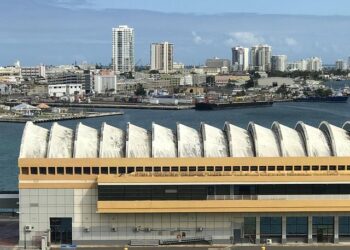
- Puerto Rico: Home to significant naval operations and a hub for US Coast Guard activities.
- Curacao: Acts as a strategic point for reconnaissance missions and refueling operations.
- Colombia: Bases primarily utilized for joint exercises and anti-drug trafficking operations.
This military posture highlights a broader commitment to regional stability, alongside efforts to engage with allies and deter potential adversaries. Recent deployments have included:
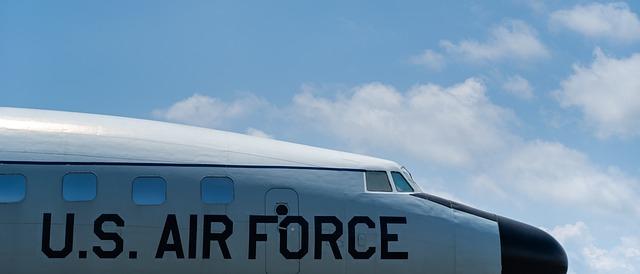
- Patrol Aircraft: Deployed from bases in Florida for surveillance missions over the Caribbean Sea.
- Naval Destroyers: Positioned to operate close to international waters, conducting routine patrols.
| Military Asset | Function | Deployment Location |
|---|---|---|
| F-35 Fighter Jets | Air Superiority & Reconnaissance | Puerto Rico |
| P-8 Poseidon | Maritime Patrol | Curacao |
| USS Fort Lauderdale | Amphibious Operations | International Waters |
Strategic Naval Bases and Air Surveillance Operations
The United States maintains a robust network of naval bases strategically positioned to monitor activities in the Caribbean and along the northern coast of South America. This infrastructural advantage allows for rapid deployment and operational flexibility in response to regional threats. Key locations include:
- Guantanamo Bay, Cuba: A perennial focal point for U.S. naval operations in the Caribbean, enabling surveillance and logistical support.
- Curacao, Netherlands Antilles: Utilized for emergency operations and intelligence gathering, in close proximity to Venezuela.
- Key West, Florida: Serves as a primary launch point for patrol and reconnaissance flights over the Caribbean.
Accompanying this network of bases, the U.S. employs advanced air surveillance operations to gather real-time intelligence. Airborne reconnaissance missions are conducted using sophisticated aircraft such as the P-8 Poseidon and RQ-4 Global Hawk, equipped with state-of-the-art sensor technology. The operational capabilities are further enhanced by:
| Aircraft Type | Mission Role | Capabilities |
|---|---|---|
| P-8 Poseidon | Maritime Patrol | Anti-submarine warfare, surveillance |
| RQ-4 Global Hawk | Reconnaissance | High-altitude, long-endurance |
These operational tools ensure that U.S. forces maintain an advantageous position, able to detect and respond to any shifts in Venezuelan maritime and aerial activities. The combination of strategic placements and advanced technology underscores America’s commitment to securing its interests in this increasingly volatile region.
Implications for Regional Security and Future Recommendations
The strategic positioning of US military assets in proximity to Venezuela carries significant implications for regional security. As tensions escalate between the US and Venezuela, the presence of naval vessels and aircraft is not merely a show of force but also a signal to neighboring countries regarding the US commitment to counteracting destabilizing activities in the region. The heightened military readiness may encourage other nations to reassess their defense postures and alliances, leading to a potential arms race or increased military cooperation among adversaries of the US. Moreover, the implications extend to humanitarian concerns, as increased military presence can exacerbate fears of conflict, influencing migration patterns and socio-political stability in surrounding countries.
To mitigate risks and enhance stability, several recommendations can be put forward. Firstly, establishing diplomatic channels that include not only the US and Venezuela but also regional players is crucial for dialogue and conflict resolution. Secondly, the US should consider leveraging multilateral forums, such as the Organization of American States (OAS), to address regional security concerns collaboratively. Additionally, confidence-building measures, such as joint humanitarian missions or search-and-rescue exercises, could foster goodwill and alleviate tensions. Finally, investing in intelligence-sharing agreements with neighboring countries would enhance collective security and enable a coordinated response to potential threats.
Wrapping Up
In conclusion, the strategic positioning of U.S. military planes and ships near Venezuela underscores the ongoing concerns over regional stability and security. As tensions rise due to political turmoil and economic hardship within Venezuela, the presence of American military assets serves as a reminder of the delicate balance of power in Latin America. The U.S. aims to deter aggression and protect its interests while engaging with allies in the region. As the situation evolves, the international community will be closely monitoring these developments, and the implications for U.S.-Venezuela relations remain to be seen. With diplomatic efforts underway, the future trajectory of military postures in the vicinity will be pivotal in shaping the geopolitical landscape of the Americas.