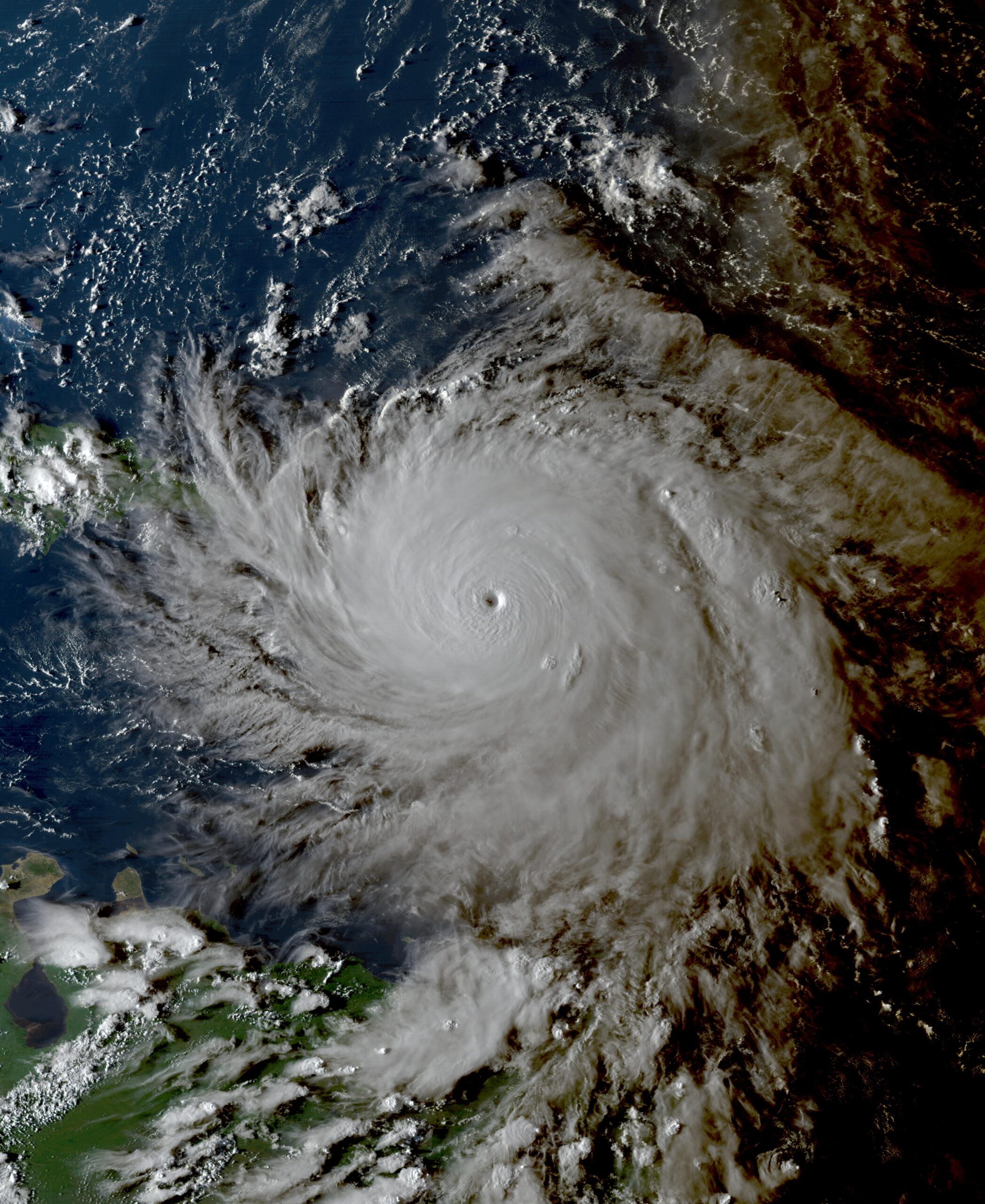
Six months have passed since Hurricane Maria devastated Puerto Rico, leaving a trail of destruction that exposed the vulnerabilities and systemic neglect faced by U.S. territories. As the island grapples with the long-term impacts of the disaster-marked by a humanitarian crisis, prolonged power outages, and slow recovery efforts-the time has come to critically examine the relationship between the United States and its territories. This conversation is not merely about disaster recovery; it reflects deeper issues of governance, representation, and equity. As Puerto Rico continues to rebuild, the nation must confront the historical and political complexities that have long defined its territories. In this article, we delve into the aftermath of Hurricane Maria and highlight the urgent need for a national dialogue on the status, rights, and future of U.S. territories.
Reassessing the Humanitarian Response to Hurricane Maria’s Aftermath
In the wake of Hurricane Maria, the response from humanitarian organizations and government agencies has been scrutinized for its effectiveness and timeliness. While some efforts have been commendable, others have faced significant criticism, particularly regarding the distribution of aid and the long-term planning required for recovery. As we reflect on the past six months, it becomes clear that a more equitable approach is necessary to address the unique challenges faced by territories such as Puerto Rico. Stakeholders must engage in a serious dialogue about the allocation of resources and the infrastructural deficits that have been laid bare by the disaster.
Key areas of focus that require immediate attention include:
- Infrastructure Resilience: Long-term investments are needed to rebuild and fortify infrastructure against future storms.
- Equitable Aid Distribution: Developing transparent methods for delivering aid to ensure that resources reach the communities most in need.
- Community Involvement: Engaging local leaders and residents in the recovery process to leverage their insights and build trust.
- Healthcare Access: Addressing the ongoing health crises exacerbated by the disaster, including mental health support.
To facilitate a more structured approach, consider the following table summarizing the response actions undertaken thus far:
| Response Action | Status | Notes |
|---|---|---|
| Distribution of Food and Water | Completed | Initial needs met, but ongoing shortages reported. |
| Restoration of Power | Ongoing | Significant portions of the island still without reliable electricity. |
| Healthcare Services Restoration | Partially Completed | Access remains limited, especially in rural areas. |
A Call for Economic Equity and Sustainable Development in U.S. Territories
As the U.S. re-evaluates its approach to disaster recovery in its territories, there is an urgent need to address the long-standing issues of economic equity and sustainable development that have plagued regions like Puerto Rico. The impacts of Hurricane Maria underscored the vulnerabilities of these territories, highlighting a critical gap in federal support and infrastructure investment. This moment calls for a comprehensive reevaluation of economic strategies that prioritize local needs, encourage job creation, and enhance the overall resilience of these communities. It is essential to foster partnerships that not only focus on short-term recovery but also on long-term sustainability and inclusion.
Effective policy frameworks should aim to dismantle systemic inequalities that have been exacerbated by natural disasters. This includes:
- Investing in renewable energy to reduce dependency on fossil fuels and create green jobs.
- Supporting local entrepreneurs through accessible financing and resources, thereby stimulating local economies.
- Ensuring equitable access to healthcare, education, and technology as fundamental rights.
Furthermore, establishing a transparent dialogue between federal entities and territorial governments is crucial. Collaborative efforts can lead to tailored solutions that align with the unique circumstances and aspirations of residents, ultimately paving the way for a more equitable and sustainable future.
Strengthening Political Representation and Rights for Affected Communities
In the wake of Hurricane Maria, the call for enhanced political representation and the protection of rights for affected communities has never been more urgent. The aftermath of this devastating storm sheds light on the systemic challenges faced by territories under U.S. jurisdiction, particularly Puerto Rico and the U.S. Virgin Islands. Communities that have historically struggled for recognition often find themselves at the mercy of federal policies that overlook their unique needs. Advocating for more inclusive political frameworks is essential to ensure these communities can voice their concerns and drive policy changes that address their specific challenges.
Efforts to strengthen representation should emphasize the significance of local governance and community-led initiatives. Key strategies may include:
- Establishing clear pathways for local leaders to engage directly with federal agencies.
- Creating advisory councils comprised of residents to inform disaster response and recovery initiatives.
- Implementing reforms that lead to fairer resource allocation to territories affected by natural disasters.
Such measures not only empower local voices but also foster a collaborative relationship between the U.S. government and these communities. This partnership is crucial in paving the way for sustainable recovery and resilience against future disasters, ultimately creating a more equitable political landscape.
In Retrospect
As we reflect on the six-month anniversary of Hurricane Maria’s devastating impact on Puerto Rico, it becomes increasingly clear that the conversation surrounding the U.S. territories is long overdue. The storm laid bare the vulnerabilities and inequities faced by Puerto Ricans, raising critical questions about their political status, access to resources, and representation in federal decision-making. The aftermath of Maria is not just a local concern; it challenges the U.S. to reckon with the historical and ongoing relationship it maintains with its territories. As recovery efforts continue, it is imperative that we engage in a meaningful dialogue-to not only address the immediate needs of affected communities but also to explore a path toward a more equitable future. The time for change is now, and the American people must confront the realities faced by their fellow citizens in the territories. Only through concerted efforts and open discussions can we hope to build a more just and resilient society for all.