
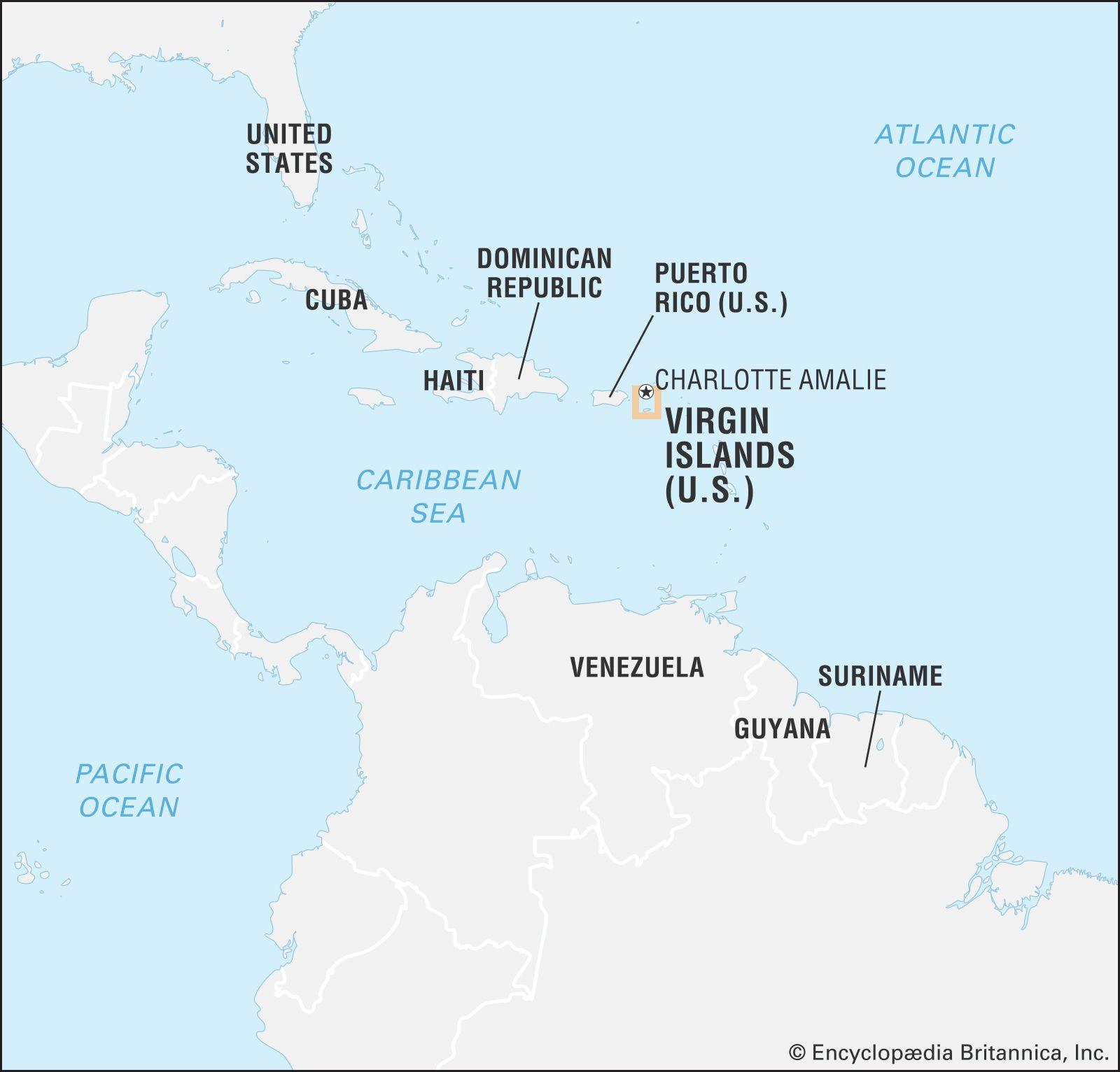
In a significant development for both maritime and regional economies, the U.S. Virgin Islands is actively engaging in a new proposal to enhance the United States’ international ship registry. Governor Albert Bryan Jr. made the announcement, emphasizing the potential benefits for the territory’s shipping industry and broader economic landscape. As the U.S. seeks to compete more effectively in the global shipping arena, this initiative could pave the way for increased maritime activity and job creation in the islands. The proposal comes at a time when the U.S. is looking to bolster its presence in international shipping and reclaim a larger share of global trade routes, positioning the U.S. Virgin Islands as a crucial player in these efforts.
US Virgin Islands Positioning for Enhanced Maritime Opportunities
The U.S. Virgin Islands is strategically positioning itself to capitalize on a range of maritime opportunities, as discussions surrounding its involvement in the U.S. international ship registry proposal gain momentum. Governor Albert Bryan Jr. emphasized that this initiative could potentially boost the territory’s economy, creating jobs and fostering growth in a crucial sector. Key benefits anticipated include:
- Increased Vessel Registrations: Attracting both domestic and international ship owners.
- Economic Diversification: Reducing reliance on tourism through robust maritime industries.
- Job Creation: Generating employment in maritime services, shipbuilding, and repair.
Furthermore, the governor indicated that the proposal aligns with broader economic goals for the islands, particularly in building a resilient maritime infrastructure. To provide a clearer picture of the potential impacts, a breakdown of projected economic benefits includes:
| Category | Estimated Impact |
|---|---|
| Jobs Created | 1,500+ |
| Annual Revenue Increase | Over $30 million |
| Vessels Expected to Register | 200+ |
As the proposal advances, stakeholders from various sectors are expressing optimism that enhanced maritime opportunities can lead to sustainable development for the U.S. Virgin Islands, potentially making it a hub for maritime excellence in the Caribbean region.
Governor Advocates for Strategic Benefits of International Ship Registry
The Governor believes that participating in an international ship registry would bring transformative advantages to the US Virgin Islands. This strategic move is expected to enhance the territory’s economic landscape by opening doors to new business opportunities, including:
- Increased Maritime Activity: A boost in shipping operations can lead to more jobs and higher revenues for local businesses.
- Regulatory Compliance: Being part of an international registry ensures alignment with global maritime standards, enhancing safety and environmental practices.
- Enhanced Partnerships: Establishing relations with other nations can foster international collaboration and invest in local development.
Financially, the Governor highlighted that the proposal could yield significant benefits, particularly through enhanced taxation opportunities. With more vessels registering under the US Virgin Islands’ flag, the government anticipates increased income from port fees, taxable revenues, and maritime services. The strategic focus also includes:
| Benefit | Potential Impact |
|---|---|
| Job Creation | Up to 500 new maritime jobs |
| Revenue Growth | Estimated 20% increase in port revenues |
| Environmental Advancements | Improved compliance with international regulations |
Implications for Local Economy and Recommendations for Stakeholder Engagement
The proposal for the US Virgin Islands to participate in the US international ship registry is poised to have significant implications for the local economy. By aligning with this initiative, the territory can potentially enhance its maritime industry, leading to increased job creation and revenue generation. The integration into a more extensive ship registry framework may also attract foreign investment and boost tourism, given the US Virgin Islands’ strategic location and natural resources. Benefits could include:
- Enhanced job opportunities: The local workforce could see a rise in employment in shipbuilding, repair, and related sectors.
- Increased tourism: A stronger maritime industry might draw more cruise lines and recreational vessels to the area.
- Revenue growth: Local businesses could benefit from increased economic activity and demand for services.
For effective stakeholder engagement, a collaborative approach that involves local communities, maritime professionals, and government entities is crucial. This engagement should include regular town hall meetings and forums to discuss the proposal’s potential impacts and gather input from residents. Additionally, the establishment of a task force dedicated to overseeing the implementation process can ensure that the interests of diverse stakeholders are represented. Key recommendations for stakeholder involvement may comprise:
- Regular updates and transparent communication: Keeping the public informed fosters trust and encourages community participation.
- Feedback mechanisms: Providing avenues for the community to voice concerns or suggestions ensures a more inclusive approach to decision-making.
- Collaboration with local businesses: Partnering with local enterprises can create synergies and ensure that benefits are distributed throughout the economy.
In Conclusion
In conclusion, the involvement of the US Virgin Islands in the proposed international ship registry highlights the territory’s strategic efforts to enhance its economic landscape and maritime industry. Governor Albert Bryan Jr.’s advocacy for this initiative underscores the potential for increased maritime commerce and job creation within the region. As discussions progress, stakeholders will be keenly watching how this proposal could reshape the US Virgin Islands’ role in global shipping logistics. With the international maritime community’s eyes on these developments, the outcome of this registry proposal could have lasting implications for the territory’s economy and its position in the competitive shipping sector.











