
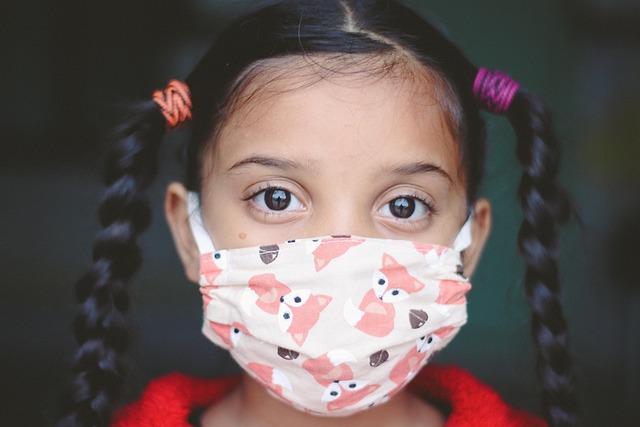
As the nation continues to grapple with the long-lasting effects of the COVID-19 pandemic, U.S. territories are facing unique challenges that elevate their vulnerabilities in the healthcare system. A recent analysis by the Kaiser Family Foundation (KFF) explores the critical intersection of pandemic pressures and the looming Medicaid financing cliff that threatens to exacerbate existing disparities in these regions. With rising healthcare costs, limited resources, and the ongoing ramifications of the pandemic, the territories-comprising Puerto Rico, Guam, the U.S. Virgin Islands, American Samoa, and the Northern Mariana Islands-stand at a precarious crossroads. This article delves into the implications of the KFF report, highlighting the urgent need for policy interventions and support to safeguard the health and well-being of residents who rely on these essential services.
Impact of COVID-19 on Health Services in U.S. Territories
The COVID-19 pandemic exacerbated existing vulnerabilities in health services across U.S. territories, revealing stark inequities and raising urgent concerns about health care access and delivery. Puerto Rico, for instance, faced significant challenges as the pandemic struck amid ongoing financial and health care crises. The government’s response included temporary measures, but funding limitations led to increased wait times for services and reduced capacity in hospitals. Other territories, such as the U.S. Virgin Islands and American Samoa, reported similar issues, including heightened challenges in managing chronic diseases and mental health services, as resources were diverted to combat COVID-19.
Moreover, the Medicaid financing cliff looms large as many of these territories heavily rely on federal funding to maintain health care services. As the public health emergency wanes, a large portion of fiscal resources is at risk of their expiration, making planning for future care levels precarious. The repercussions of diminished funding may lead to service cuts, increased premiums, and a worsening health crisis for vulnerable populations. Key challenges include:
- Reduction in preventive care services
- Increased out-of-pocket costs for families
- Challenges in sustaining telehealth innovations
The table below summarizes the anticipated effects of the funding changes on health services:
| Service Impact | Potential Outcome |
|---|---|
| Preventive Care | Increased illness and hospitalization rates |
| Mental Health Services | Higher rates of anxiety and depression |
| Healthcare Access | Longer wait times for essential treatments |
Navigating the Medicaid Financing Cliff: Risks and Realities
The impending Medicaid financing cliff poses significant challenges for U.S. territories, which have been disproportionately affected by the COVID-19 pandemic. As temporary federal funding boosts wane, these regions face a dual threat: the potential loss of critical healthcare resources and increased vulnerability among their populations. The abrupt cessation of enhanced funding could lead to drastic cuts in services, thereby exacerbating health disparities that have already been laid bare by the pandemic. The consequences may include:
- Increased Medicaid Enrollment: Many territories may see a surge in individuals seeking coverage as unemployment rates rise.
- Resource Strain: Health systems may find it increasingly difficult to manage the influx of new patients without adequate funding.
- Widening Health Disparities: Vulnerable populations may face significant barriers to accessing necessary care.
The challenges are further compounded by the distinct structural inequities experienced by the territories, including limitations on federal funding levels and bureaucratic hurdles in accessing these resources. As decision-makers grapple with the realities of diminished financial support, the urgency to advocate for sustainable solutions becomes paramount. Stakeholders must prioritize a multifaceted approach that includes:
- Enhancing Local Revenue Streams: Territories will need to explore alternative funding avenues to supplement federal support.
- Streamlining Medicaid Administration: Improving efficiency could help mitigate some impacts of funding reductions.
- Pursuing Policy Advocacy: Engaging in legislative efforts to secure more stable funding mechanisms will be crucial.
Strategic Recommendations for Strengthening Health Systems in U.S. Territories
Addressing the dual challenges of the COVID-19 pandemic and the impending Medicaid financing cliff requires targeted strategies that reinforce the resilience of health systems in U.S. territories. One essential recommendation is to enhance the integration of telehealth services, ensuring wider access to care amidst ongoing public health crises. This can be achieved by investing in robust digital infrastructure and expanding training programs for providers to deliver virtual services effectively. Furthermore, targeted outreach initiatives aimed at vulnerable populations can help bridge gaps in healthcare access, thus ensuring continuity of care during emergencies.
Another critical component is to prioritize funding for local health departments, which are vital for effective public health response. Strategies may include:
- Implementing community advisory boards to identify unique health needs.
- Increasing partnerships between local organizations and state health agencies to facilitate resource sharing.
- Developing comprehensive workforce development programs that focus on recruiting and retaining healthcare professionals in underserved areas.
By taking these actions, U.S. territories can better prepare their health systems for present challenges and future crises, ultimately fostering a more equitable healthcare landscape.
Insights and Conclusions
In conclusion, the challenges faced by U.S. territories amid the COVID-19 pandemic highlight significant systemic issues that affect health care access and funding models. The impending Medicaid financing cliff looms large over Puerto Rico, Guam, the U.S. Virgin Islands, American Samoa, and the Northern Mariana Islands, exacerbating pre-existing vulnerabilities and threatening the health and well-being of residents. As policymakers grapple with these urgent issues, it is imperative that solutions are formulated that not only address the immediate fiscal crises but also ensure a sustainable and equitable health care framework for the territories. The ongoing dialogues around Medicaid reform and federal support will play a critical role in shaping the future of health care in these regions. The stakes are high, and the need for comprehensive action has never been more urgent.









