
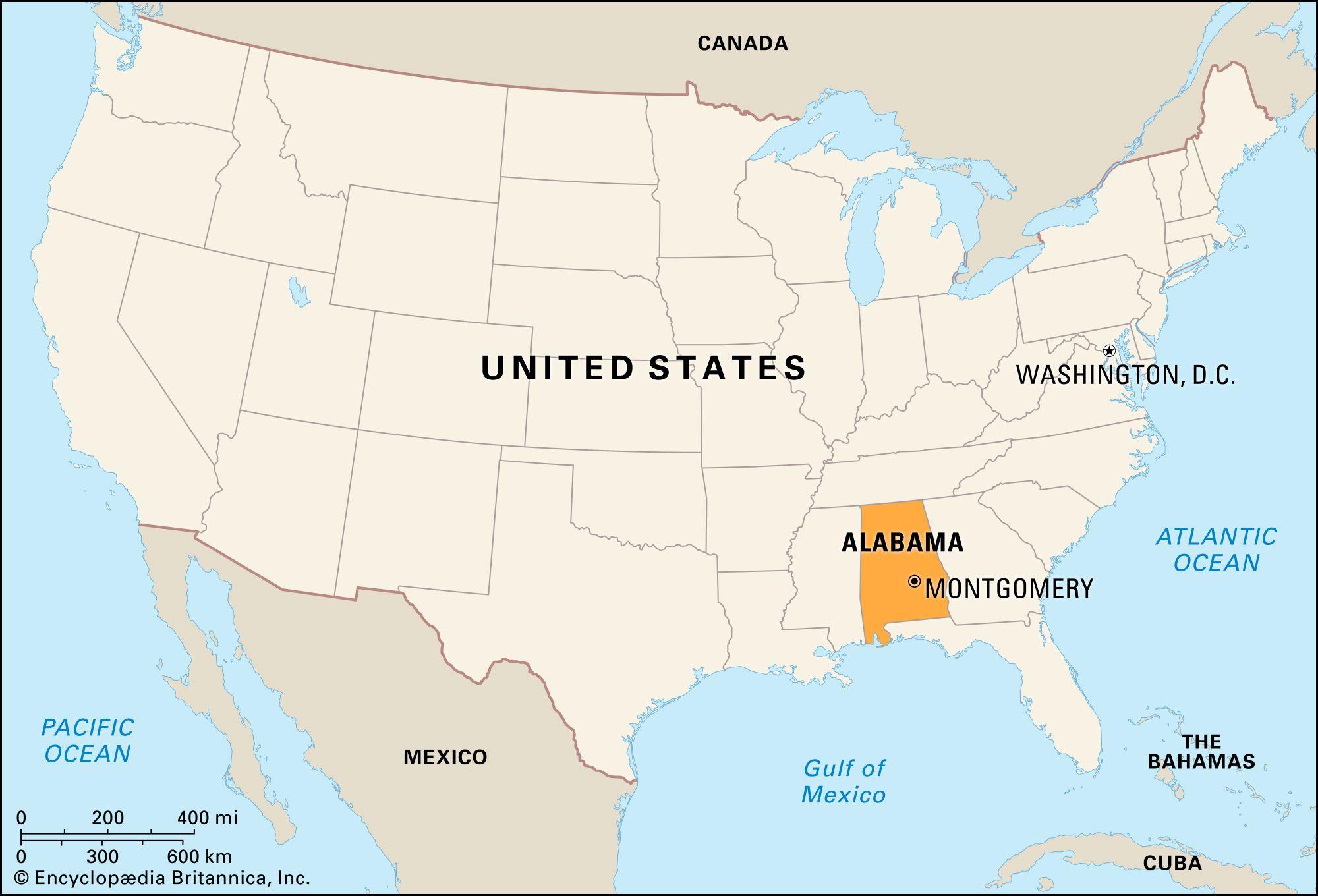
In a significant move reflecting the ongoing national debate over immigration and public safety, a bill introduced by an Alabama lawmaker to deport illegal immigrants convicted of driving under the influence (DUI) has passed the U.S. House of Representatives. The legislation, which proponents argue is necessary to combat impaired driving and enhance community safety, has garnered both support and criticism amid discussions about the balance between enforcing immigration laws and addressing the complexities of the U.S. immigration system. As the bill now heads to the Senate, its implications for undocumented individuals and the broader immigration landscape remain at the forefront of political discourse.
Alabama Bill Targets DUI Offenders Among Illegal Immigrants in Historic Vote
In a landmark decision, Alabama lawmakers have voted in favor of a controversial bill that aims to deport illegal immigrants convicted of driving under the influence (DUI). This legislative move has sparked intense debate, with proponents arguing that it enhances public safety by prioritizing the removal of repeat offenders from the streets. Critics, however, claim that this measure could lead to racial profiling and dismantle trust between immigrant communities and law enforcement. The bill passed through the U.S. House with substantial support, signaling a shift in how states may approach immigration and public safety issues moving forward.
The legislation outlines specific criteria under which illegal immigrants caught driving while intoxicated would face immediate deportation proceedings. Key features of the bill include:
- Mandatory reporting: Law enforcement agencies are required to report DUI arrests of illegal immigrants to federal authorities.
- Enhanced penalties: Stiffer penalties for illegal immigrants convicted of DUI can include longer prison sentences and fines.
- Community service requirements: Offenders could face mandatory community service aimed at raising awareness about the dangers of impaired driving.
Proponents of the bill hope that its passage will serve as a strong deterrent against DUI offenses among illegal immigrants, thereby fostering safer roads for all citizens. In contrast, the opposition argues this could lead to unintended consequences, including families being torn apart and increased distrust towards law enforcement within immigrant populations.
Implications of Deportation Measures on Community Safety and Immigration Policy
The recent passage of the bill in the US House, spearheaded by an Alabama lawmaker, underscores a significant shift in the approach towards illegal immigration and community safety. Supporters argue that targeting undocumented individuals who commit DUIs contributes to the overall safety of the community by removing potential threats. This law could set a precedent where legal measures prioritize punitive actions against immigrants, raising concerns about the broader implications for community trust in law enforcement. Critics fear that such measures might further alienate immigrant populations, making them less likely to report crimes or cooperate with police, which could paradoxically lead to increased insecurity.
As immigration policy evolves in response to public safety concerns, the implications of such deportation measures are multifaceted. On one hand, proponents assert that these policies fortify community safety by removing individuals deemed dangerous. On the other, there exists the risk of fostering an environment of fear among immigrant communities, where residents might hesitate to engage with essential services or community resources. To illustrate the potential impacts of these policies on different stakeholders, consider the following table:
| Stakeholder | Potential Impact |
|---|---|
| Law Enforcement | Difficulty in building trust with immigrant communities |
| Immigrant Families | Increased fear of deportation leading to isolation |
| Community Organizations | Challenges in providing support services effectively |
| Local Businesses | Potential loss of workforce and consumer base |
Expert Analysis: Balancing Law Enforcement and Human Rights in Immigration Legislation
The recent passage of a bill in the US House, proposed by an Alabama lawmaker, raises critical questions regarding the intersection of immigration policy and civil liberties. While the intention behind such legislation may be to bolster public safety by targeting illegal immigrants convicted of DUI offenses, it is essential to scrutinize the broader implications of these measures. Key points to consider include:
- Public Safety vs. Human Rights: Ensuring the safety of communities is paramount, but stringent enforcement measures must not compromise the fundamental rights of individuals.
- Impact on Communities: Deportation policies can lead to fear among immigrant populations, discouraging them from reporting crimes or seeking necessary assistance.
- Comparative Legislation: Analysis of similar laws in other states highlights varying approaches to law enforcement and the potential for unintended consequences.
Furthermore, this legislative move invites a critical examination of how effectively it targets the intended demographic without unduly affecting the innocent. Advocacy groups warn that such policies may disproportionately impact marginalized communities, leading to increased racial profiling and discrimination. As lawmakers weigh the ramifications of this bill, it becomes crucial to foster a dialogue that seeks a solution balancing enforcement and empathy, where public safety does not come at the expense of human dignity. Considerations include:
- Effective Alternatives: Other approaches to addressing DUI incidents that do not involve deportation could be explored.
- Legal Support Mechanisms: Protecting individuals’ rights through legal assistance and clear communication regarding their status and options.
- Community Engagement: Involving local communities in discussions around immigration and law enforcement can yield more comprehensive policy solutions.
Insights and Conclusions
In conclusion, the passage of Alabama lawmaker’s bill aimed at deporting illegal immigrants convicted of DUI marks a significant development in the ongoing debate over immigration policy and public safety. With the support of the U.S. House, this legislation highlights the tensions surrounding immigration enforcement and raises questions about its broader implications for communities across the nation. As the bill moves forward, advocates and critics alike will be closely monitoring its impact on both immigrants and public safety initiatives. As the conversation continues, the complexities of immigration and DUI laws will remain at the forefront of legislative discussions in Alabama and beyond.











