
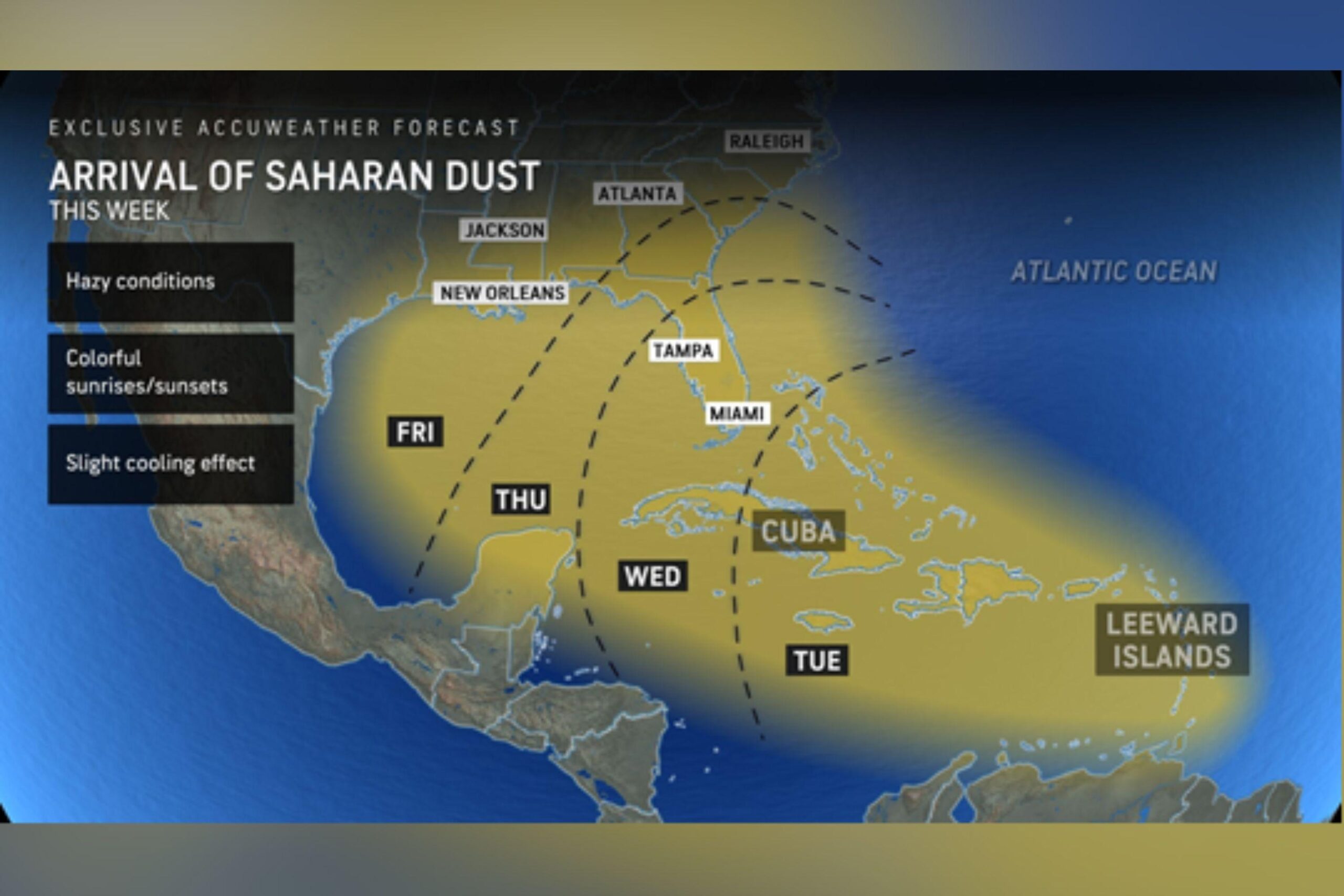
As the weekend approaches, the Gulf Coast is bracing for the arrival of a thick plume of Saharan dust, a natural weather phenomenon that could have significant implications for the region. Originating from the arid landscapes of the Sahara Desert, this dust cloud is expected to reach Alabama, prompting concerns among residents and meteorologists alike. The effects of Saharan dust can range from hazy skies and reduced air quality to potential impacts on local weather patterns. As communities prepare for its arrival, questions abound: What exactly is Saharan dust, and how will it affect daily life in Alabama? In this article, we delve into the science behind this fascinating atmospheric event and explore what residents can expect as it rolls into the Gulf Coast.
Saharan Dust Cloud Approaches Gulf Coast: Understanding its Impact on Air Quality
The impending arrival of the Saharan dust cloud to the Gulf Coast this weekend has raised concerns regarding its potential effects on air quality across the region, particularly in Alabama. Composed of fine particles swept up from the Sahara Desert, this phenomenon can influence air quality by increasing particle concentration in the atmosphere, leading to hazier skies and reduced visibility. Residents may experience various symptoms, particularly those with pre-existing respiratory conditions. Common effects include:
- Increased respiratory issues such as asthma and bronchitis
- Worsening allergies due to heightened pollen levels
- Visual impairment from dust haze
Monitoring air quality will be crucial as the dust cloud inches closer. Local authorities and health officials are urging the population to stay informed, especially vulnerable groups. It’s also important to note how long the dust will linger; initial forecasts suggest it may affect Alabama’s air for several days. Below is a summary of key data for residents to stay alert:
| Date | Expected Dust Concentration Level | Health Advisory |
|---|---|---|
| Friday | Moderate | People with respiratory issues should limit outdoor activities. |
| Saturday | High | General public advised to stay indoors if possible. |
| Sunday | Moderate | Continue monitoring conditions. |
Health Precautions for Alabama Residents Amid Incoming Saharan Dust
As Saharan dust makes its way toward Alabama this weekend, residents are advised to be vigilant regarding their health. The influx of fine particulate matter can exacerbate respiratory issues and pose challenges for those with pre-existing conditions. It is crucial for individuals, especially those with asthma, allergies, or chronic lung diseases, to take necessary precautions to minimize exposure:
- Stay Indoors: Limit outdoor activities, especially during the peak hours of dust arrival. Check local air quality reports to stay informed.
- Use Air Purifiers: Consider using HEPA air purifiers indoors to filter out particulate matter from the air.
- Wear Masks: If going outside is unavoidable, wearing a mask, particularly masks rated N95 or higher, can help filter out the dust.
- Hydration: Drink plenty of water, as staying hydrated can help your respiratory system function better.
- Consult a Physician: Individuals with chronic conditions should consult with healthcare providers about any specific precautions or treatments that may be necessary.
Local authorities recommend that residents be aware of symptoms that may arise due to the dust, such as increased coughing, difficulty breathing, or unusual irritation in the eyes and throat. Here’s a quick reference table for easy identification of symptoms and recommendations:
| Symptoms | Recommendations |
|---|---|
| Increased Coughing | Stay hydrated and rest; consider using a humidifier. |
| Difficulty Breathing | Use prescribed inhalers and avoid exertion. |
| Eye Irritation | Use protective eyewear if outdoors, and rinse eyes with saline solution. |
| Throat Irritation | Gargle warm salt water and stay hydrated. |
Potential Effects on Weather Patterns and Local Ecosystems in Alabama
The arrival of Saharan dust to the Gulf Coast could have significant implications for weather patterns and local ecosystems in Alabama. This phenomenon is known to influence air quality, potentially leading to increased respiratory issues for sensitive populations. The dust particles may also suppress rainfall, impacting the region’s overall precipitation levels. As the dense clouds of dust drift over Alabama, residents may experience a hazy sky, and the effects could extend to the Gulf Coast waters, influencing marine life with changes in water clarity and nutrient availability.
Local ecosystems, particularly in coastal areas, may feel the repercussions of the dust influx. While some studies suggest that dust can contribute beneficial nutrients to the soil and ocean, overexposure can have detrimental effects on flora and fauna. Key points to consider include:
- Impact on plant growth: Dust deposition can affect photosynthesis by blocking sunlight.
- Altered marine ecosystems: Changes in water quality may disrupt fish and other aquatic species’ habitats.
- Air quality concerns: Increased particulate matter can exacerbate health issues in vulnerable populations.
In summary, as residents anticipate the Saharan dust’s arrival, monitoring both weather conditions and local ecological impacts will be essential for managing potential effects. Understanding these dynamics can help inform community health recommendations and environmental conservation efforts moving forward.
Insights and Conclusions
As the Gulf Coast braces for the impending arrival of Saharan dust this weekend, experts urge residents to remain informed and prepared for potential impacts on air quality and public health. While the atmospheric phenomenon is a natural occurrence, its effects can vary widely, from reduced visibility to possible respiratory complications for sensitive individuals. Alabama, in particular, should monitor local advisories and take proactive measures to safeguard against any adverse effects.
Stay tuned to the Montgomery Advertiser for ongoing updates and expert insights as we continue to track the movement of this dust and its implications for our region. The health and safety of our community remain a top priority, and we will provide you with the latest information to help you navigate this atmospheric event.











