Russia’s Lost Frontier: Why Alaska Remains a Fault Line in U.S.-Russian Tensions
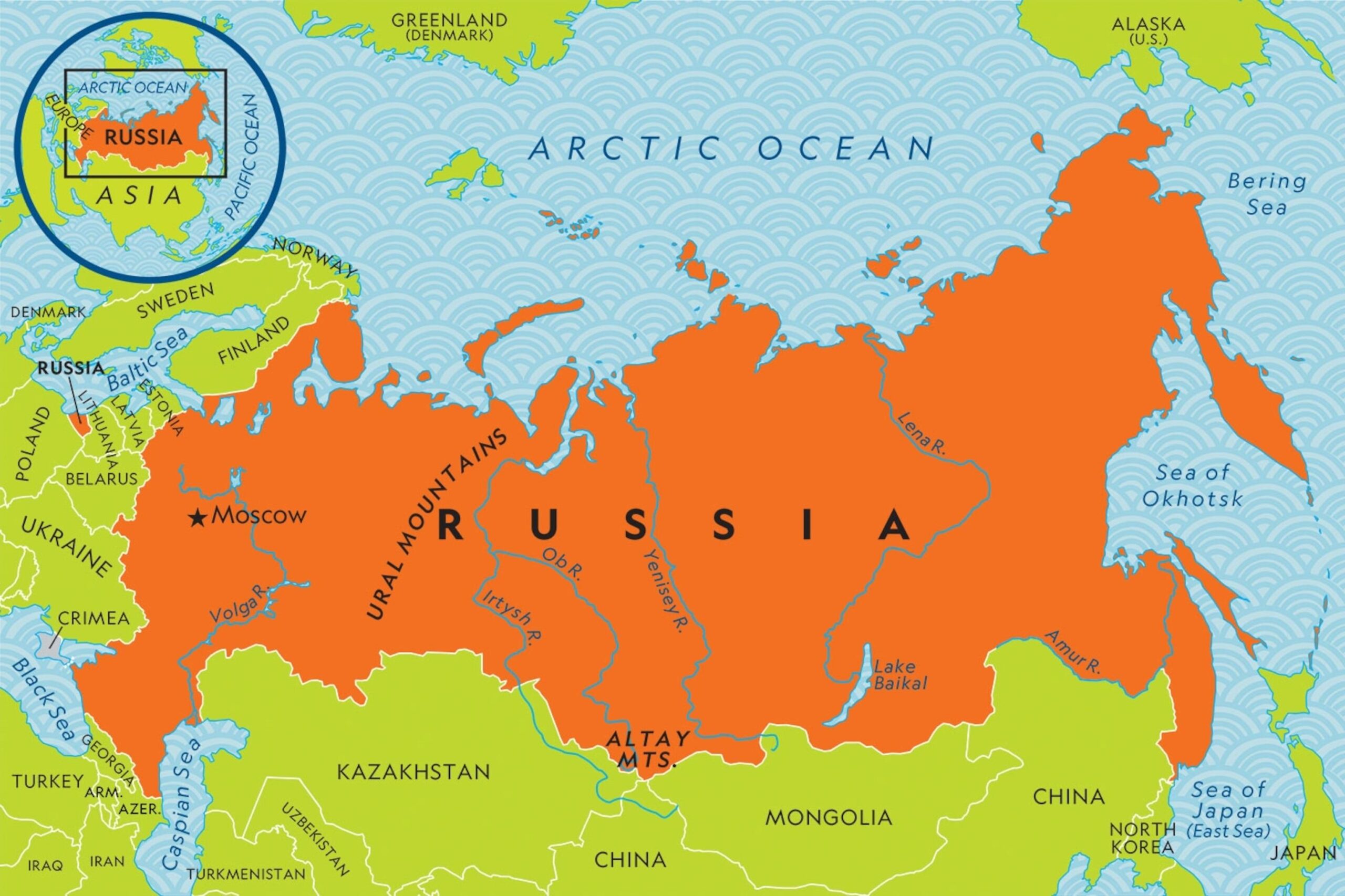
As geopolitical tensions continue to simmer between the United States and Russia, one under-explored dimension of this complex relationship lies in the vast expanse of territory that separates them: the Bering Strait. While the world often focuses on high-profile conflicts and diplomatic showdowns, the history and significance of Alaska-a former Russian territory-provide a unique lens through which to understand contemporary frictions. As the U.S. and Russia navigate a shifting global landscape marked by military posturing, economic sanctions, and rising nationalism, the Alaskan frontier remains a potent symbol of historical claims, strategic interests, and cultural connections. In this article, we delve into the historical roots of U.S.-Russian relations in this remote region, examining how Alaska continues to serve as a critical fault line in the ongoing narrative of superpower rivalry.
Examining Historical Grievances and Territorial Claims Between Russia and the United States
The historical grievances and territorial claims between Russia and the United States have deep roots, particularly regarding Alaska, which was purchased by the U.S. from Russia in 1867 for $7.2 million. Over the years, this transaction has triggered various narratives and national sentiments on both sides. Russians often see Alaska as a once crucial part of their empire, viewing its loss as a significant historical grievance, while Americans consider the acquisition a strategic triumph that expanded the nation’s resource and geopolitical footprint. As tensions escalated in modern times, references to Alaska emerged in discussions about military strategy and natural resource access, underscoring its role as a potential flashpoint in U.S.-Russian relations.
Key issues contributing to ongoing disputes include:
- Strategic Military Presence: Both nations seek to assert influence in the Arctic due to its emerging economic and military significance.
- Sovereignty Claims: The U.S. and Russia maintain competing claims over maritime boundaries and resources, particularly as climate change alters the geography.
- Historical Narratives: Each country’s portrayal of the Alaska purchase informs national identity and geopolitical positioning, often inflaming public sentiment.
| Aspect | U.S. Perspective | Russian Perspective |
|---|---|---|
| Historical Context | Expansionist vision solidified through purchase | Loss of territory as a painful chapter in history |
| Resource Access | Strategic resource development and military positioning | Regaining influence in former territories |
| Diplomatic Relations | Emphasis on collaboration in Arctic policy | Calls for sovereignty over Arctic routes and resources |
Strategic Military Posturing: The Alaska Factor in Geopolitical Tensions
In recent years, Alaska has transformed into a strategic flashpoint in the complex web of U.S.-Russian relations. The state’s geographical proximity to Russia, particularly the Aleutian Islands, has intensified military assessments on both sides. U.S. analysts emphasize the importance of maintaining robust military readiness in Alaska, arguing that it serves as both a deterrent and a staging ground for potential operations in the Arctic. Recent movements, including the deployment of advanced missile systems and increased naval patrols in the Bering Sea, are indicative of a strategic recalibration aimed at countering Russian activities in the Arctic and Pacific theater.
Conversely, Russia has been expanding its military footprint in the Arctic, conducting joint exercises and enhancing its coastal defense systems to project power into areas traditionally dominated by U.S. forces. This resurgence of military posturing has prompted a renewed focus on defensive infrastructure in Alaska, including:
- Radar upgrades to track potential threats from the north.
- Naval expansions to bolster Arctic capabilities.
- Joint exercises with Canadian and NATO forces to strengthen regional security.
This evolving dynamic underscores a pivotal reality: Alaska is not simply a geographical location but a significant chess piece in a broader geopolitical game that could reshape power balances in the Arctic and beyond.
Pathways to Diplomacy: Navigating Alaska as a Bridge for U.S.-Russian Relations
The U.S. state of Alaska, with its close geographical proximity to Russia, serves as a peculiar yet significant point of connection-and contention-between the two nations. As geopolitical tensions continue to rise, Alaska remains a reminder of shared history and conflicting interests. This unique position offers an opportunity to explore pathways for diplomacy that might otherwise seem impossible. The Bering Strait, only about 2.4 miles wide at its narrowest point, not only acts as a physical divider but also symbolizes the cultural and political rifts that have defined U.S.-Russian relations. Yet, this corridor can also be perceived as a bridge-a chance for collaborative efforts that could foster mutual understanding in areas such as environmental protection, indigenous rights, and Arctic exploration.
Engaging Alaska in broader diplomatic conversations could pave the way for innovative solutions to longstanding issues. Collaborative initiatives might include:
- Joint Environmental Projects: Addressing climate change impacts in the Arctic region.
- Cultural Exchange Programs: Fostering understanding between indigenous communities on both sides of the Bering Strait.
- Trade Agreements: Exploring sustainable economic partnerships that benefit both countries.
Additionally, a recent survey indicates varied perceptions of Russia among Alaskans, highlighting a nuanced landscape that could be instrumental in fostering grassroots diplomacy.
| Perception | Percentage of Respondents |
|---|---|
| Positive | 32% |
| Neutral | 45% |
| Negative | 23% |
Future Outlook
As the echoes of history continue to shape contemporary geopolitics, Alaska stands as a critical reminder of the intricate relationship between the United States and Russia. The unique territorial and strategic significance of this vast frontier not only highlights the complexities of their shared past but also underscores the ongoing tensions that persist in the realm of international relations. With the Arctic becoming a focal point of competition due to its untapped resources and strategic waterways, the stakes are higher than ever. Alaska, often referred to as Russia’s lost frontier, serves as a potent symbol of unresolved conflicts and the potential for both cooperation and confrontation. As global dynamics evolve, the world will be watching closely to see how this icy landscape may influence the future of U.S.-Russian relations, making it clear that the narrative surrounding Alaska is far from over.