
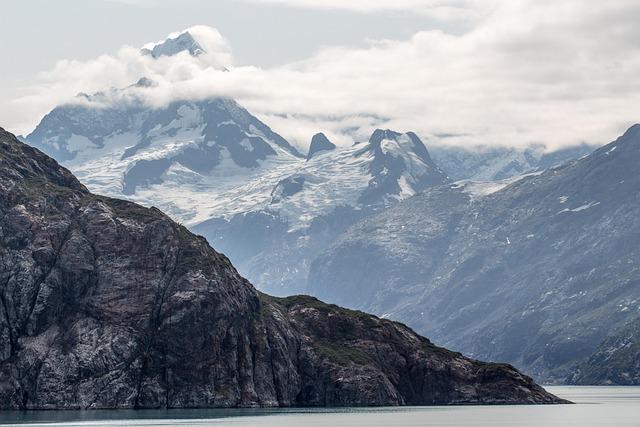
Alaska: A Hint of Russia in America
As tensions simmer on the world stage and geopolitical boundaries blur, Alaska stands out as a unique intersection of cultures and histories, where American identity meets echoes of Russian heritage. This vast, rugged frontier, often overlooked in discussions of U.S.-Russia relations, is not just the country’s largest state but also a living testament to the complex legacies of colonialism and cross-cultural exchange. From the quaint Russian Orthodox churches that dot its landscape to the Slavic surnames that resonate among its residents, Alaska embodies a rich tapestry woven from both American and Russian threads. In this article, we delve into the intriguing connections between Alaska and its former imperial neighbor, exploring how this northernmost state serves as a microcosm of broader geopolitical narratives while preserving its distinctive identity amidst the contemporary swirl of global politics.
Exploring Alaska’s Unique Cultural Ties to Russia
Alaska’s cultural landscape is a fascinating tapestry woven from its diverse Indigenous heritage and its historical ties to Russia. From the early 18th century, when Russian explorers first ventured into the region, to the sale of Alaska to the United States in 1867, the influence of Russian settlers has left an indelible mark. The remnants of this relationship are evident in various aspects of Alaskan life, including architecture, cuisine, and religious practices. Visitors to coastal towns such as Kodiak and Sitka can admire meticulously preserved Russian Orthodox churches, whose domes gleam against the stunning Alaskan backdrop, showcasing the harmonious blend of two cultures.
Additionally, traditional Russian festivals and customs continue to play a significant role in community celebrations. Aspects of Russian heritage can be found in local dishes, such as piroshki and borscht, which are often served during community feasts. The enduring legacy of the Russian presence is also celebrated through annual events that highlight folk music, dance, and historic reenactments, drawing both locals and tourists into the enchanting narrative of Alaska’s past. The following table showcases key elements that illustrate this rich cultural heritage:
| Aspect | Details |
|---|---|
| Architecture | Russian Orthodox churches, historic buildings |
| Cuisine | Piroshki, borscht, smoked fish |
| Festivals | Russian Christmas, Maslenitsa |
| Arts | Folk music, dances, traditional crafts |
Economic Opportunities in Alaska’s Russo-American Interactions
Alaska’s unique geographical position as a neighbor to Russia offers a wealth of economic opportunities that are often overlooked. The historical ties between the two regions continue to evolve, facilitating a variety of collaboration avenues across multiple sectors. Key areas ripe for exploration include:
- Natural Resource Development: Joint ventures in oil, gas, and mineral extraction can significantly propel economic growth.
- Trade Relations: Establishing direct trade routes can enhance the export of Alaskan goods, particularly seafood and timber.
- Tourism: Promoting cultural exchange and tourism initiatives can attract Russian travelers, further boosting local economies.
Highlighted by recent maritime developments, economic corridors connecting Alaska and Russia have begun to take shape. This cooperation can lead to increased investments in infrastructure and technological advancements, benefiting both economies. A study of potential benefits might include:
| Opportunity | Potential Benefits |
|---|---|
| Fishing Partnerships | Expanded markets for Alaska’s seafood |
| Energy Collaborations | Shared technologies and reduced costs |
| Cultural Exchanges | Enhancement of community ties and understanding |
Preserving Alaska’s Heritage Amidst Geopolitical Tensions
As tensions rise on the global stage, Alaska finds itself at a unique crossroads, embodying a cultural synthesis that is reflective of its historical ties to Russia. The intricate relationships and shared histories between the Alaskan natives and Russian settlers have given birth to a distinct cultural identity that thrives even today. Alaska’s Russian Orthodox churches, iconic sledding traditions, and vibrant folk art serve as tangible reminders of these connections, fostering a sense of community amid geopolitical unrest. In preserving these legacies, Alaskans are not only honoring their ancestors but also actively contributing to the broader narrative of resilience against external pressures.
Efforts to safeguard this rich heritage are evidenced by a variety of preservation initiatives and collaborative projects focused on education, tourism, and cultural exchange. Local organizations and communities are engaging in activities that ensure the continued relevance of Indigenous languages and practices, as well as supporting artisans who produce traditional crafts. Key actions include:
- Language Revitalization Programs: Offering classes and resources to teach endangered Indigenous languages.
- Cultural Festivals: Celebrating with events that showcase traditional music, dance, and crafts.
- Historical Sites Conservation: Restoring and maintaining sites of significance that reflect the fusion of American and Russian influences.
By actively promoting these initiatives, Alaskans are keenly aware that their heritage serves as a bridge between cultures, fostering dialogue and understanding in a world increasingly marked by division. As local communities unite to protect their unique identity, the narrative of Alaska stands as a powerful testament to the strength of cultural preservation amidst evolving geopolitical landscapes.
Concluding Remarks
In conclusion, Alaska stands as a unique and multifaceted link between the United States and Russia, a remnant of history that has shaped the cultural and geopolitical landscape of the region. This northern frontier, marked by its stunning natural beauty and rich indigenous heritage, continues to play a pivotal role in the dynamic between the two nations. As global tensions fluctuate and dialogues evolve, Alaska remains a significant point of interest for policymakers and historians alike. Understanding its complexities is essential not only for appreciating the state’s unique identity but also for navigating the broader implications of U.S.-Russia relations. As we move forward, the interplay between Alaska’s American roots and Russian influences will undoubtedly continue to unfold, inviting further exploration and engagement in the years to come.











