
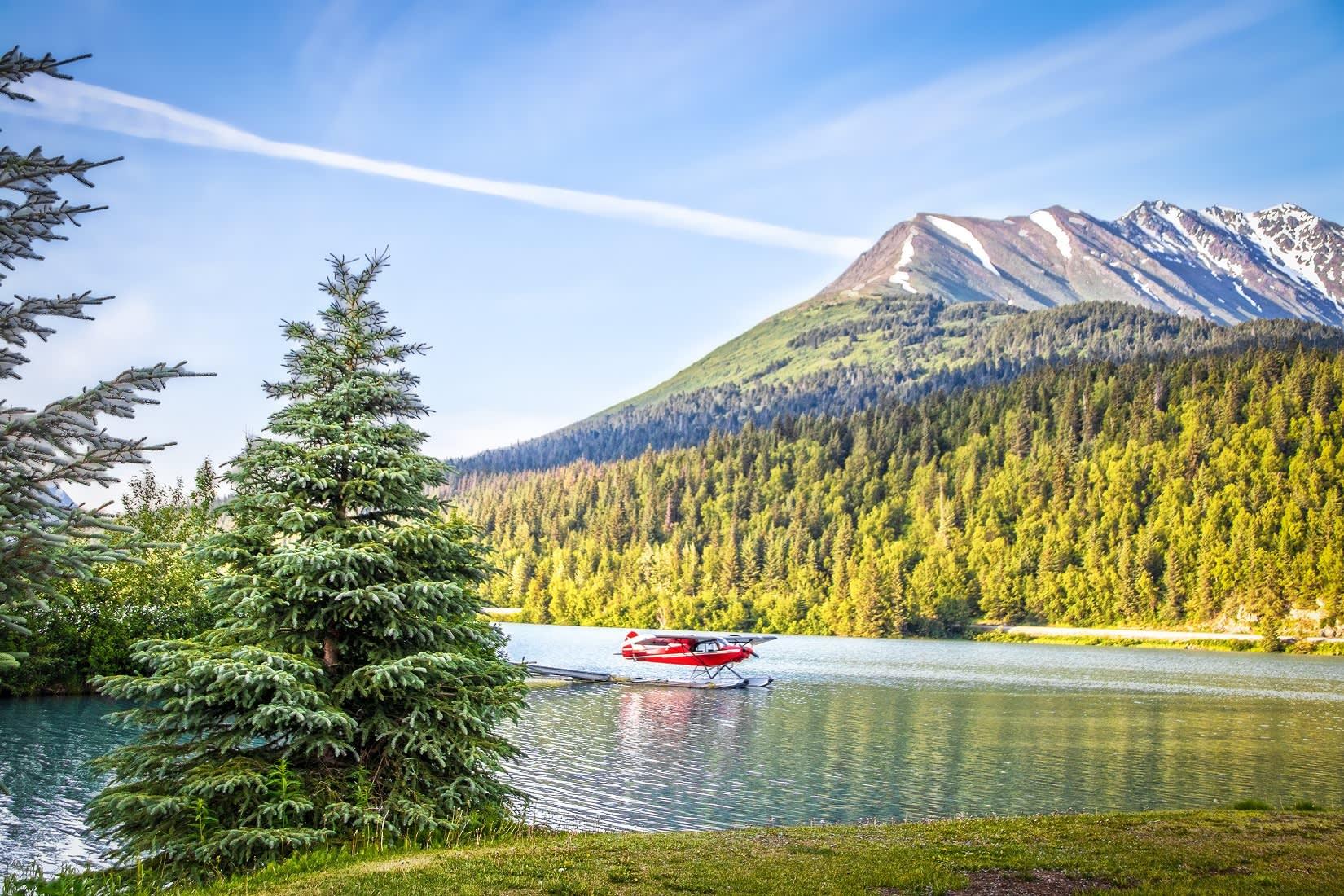
Alaska Faces Economic Challenges as Falling Oil Prices Lead to Decline in Business Opportunities
In a stark assessment of the economic landscape, Alaska has been designated as America’s worst state for business in 2025, primarily driven by a sharp decline in oil prices that has severely impacted the state’s economy. Once heralded for its rich natural resources and potential for growth, Alaska now grapples with rising unemployment rates, dwindling investments, and a shrinking job market. As the oil sector-a cornerstone of Alaska’s economic stability-continues to falter, local businesses are feeling the strain, and policymakers are faced with the urgency of addressing these critical challenges. This article delves into the factors contributing to Alaska’s troubling business climate, exploring the broader implications for the state’s economy and its residents as they navigate this uncertain path ahead.
Alaska’s Economic Downturn Driven by Plummeting Oil Prices: A Deep Dive into the Impact on Local Businesses
As oil prices continue to experience a significant downturn, Alaska finds itself grappling with an unprecedented economic crisis that is reshaping the landscape for local businesses. The state’s economy, heavily reliant on oil revenue, is witnessing an erosion of profit margins, forcing many enterprises to make tough decisions. Small businesses, in particular, are feeling the brunt of these market fluctuations, as reduced oil income directly translates into diminished consumer spending and investment instability. Key sectors such as tourism, retail, and service industries are reporting declining revenues, resulting in layoffs and, in some cases, permanent closures.
Local entrepreneurs are now faced with the stark reality of navigating a challenging economic environment. For instance, many are pivoting their business models or seeking alternative revenue streams to survive the fallout. An examination of this evolving situation reveals some common strategies among businesses:
- Cost-cutting measures: Businesses are reducing overhead costs, including renegotiating leases and minimizing non-essential expenses.
- Shift in offerings: Many are diversifying their product lines or services to attract a broader customer base.
- Community collaborations: Local businesses are partnering to collectively market and promote their services to drive foot traffic.
| Sector | Impact of Oil Prices | Response Strategies |
|---|---|---|
| Tourism | Decreased bookings and reduced travel budgets | Promotional discounts and packages |
| Retail | Lower consumer spending | Online sales and loyalty programs |
| Services | Increased client cancellations | Flexible scheduling and virtual services |
Strategies for Recovery: How Alaska Can Revitalize Its Economy Amidst Challenging Market Conditions
In response to the current economic challenges, Alaska must consider a multifaceted approach aimed at revitalizing its economy. Diversifying its revenue streams is critical, moving away from an over-reliance on oil revenues that have proven unstable. Strategies may include:
- Promotion of Renewable Energy: Investing in wind, solar, and geothermal energy can create new jobs while positioning Alaska as a leader in sustainable practices.
- Encouragement of Tourism: Developing initiatives to attract tourists year-round can bolster local businesses and generate significant revenue.
- Support for Artisans and Local Crafts: Creating platforms for local artisans can enhance the cultural fabric of the state and provide new economic opportunities.
Moreover, improving infrastructure is vital for attracting new industries. Upgrading transportation networks and internet connectivity would not only serve existing businesses better but also appeal to potential investors. The formation of strategic partnerships with educational institutions can foster innovation through:
- Research Collaborations: Engaging universities in local economic development projects to stimulate entrepreneurship.
- Workforce Development Programs: Tailoring training programs to meet the needs of emerging industries can ensure a skilled labor force ready to take on new challenges.
| Sector | Potential Growth Areas |
|---|---|
| Energy | Renewable resources, efficiency projects |
| Tourism | Adventure sports, cultural experiences |
| Agriculture | Organic farming, local food markets |
Future Prospects: Navigating Business Development and Diversification in the Face of Ongoing Oil Price Volatility
As oil prices continue to fluctuate, businesses in Alaska face an uncertain future that necessitates innovative strategies for development and diversification. Reliance on a single economic pillar can be risky, particularly in an era marked by unpredictable market conditions. To mitigate risk and boost resilience, local enterprises must prioritize adapting their business models to embrace a variety of sectors. Key areas of focus may include:
- Renewable Energy: Exploring solar, wind, and tidal energy opportunities to reduce dependence on fossil fuels.
- Tourism and Recreation: Investing in local attractions to capitalize on Alaska’s natural beauty and adventure tourism potential.
- Technology and Innovation: Encouraging startups that focus on digital solutions and technological advancements to attract investment.
Moreover, fostering partnerships between public and private sectors can expedite the transition towards economic diversification. Collaborative efforts may involve creating incentives for businesses that invest in sustainable practices and technology-driven solutions. A proactive approach in supporting local entrepreneurs can lead to a more robust economy. The following table outlines potential sectors and their growth prospects in response to oil price shifts:
| Sector | Growth Potential | Challenges |
|---|---|---|
| Renewable Energy | High | Initial investment costs, regulatory hurdles |
| Tourism | Medium-High | Seasonality, infrastructure improvements needed |
| Technology | High | Skilled labor shortage, market competition |
To Wrap It Up
As Alaska grapples with the fallout of declining oil prices and its subsequent impact on the local economy, the state’s designation as America’s worst state for business in 2025 serves as a wake-up call for policymakers and business leaders alike. The reliance on a single industry has left the Alaskan economy vulnerable, highlighting the urgent need for diversification and innovative solutions to foster resilience. As the state navigates these turbulent waters, the focus will inevitably shift to strategies that can revitalize the economy and create a more stable economic future. While challenges abound, the road ahead offers opportunities for rethinking traditional approaches and embracing new avenues for growth. As businesses and residents alike adapt to this changing landscape, all eyes will be on Alaska to see how it seeks to redefine its economic identity in the coming years.











