
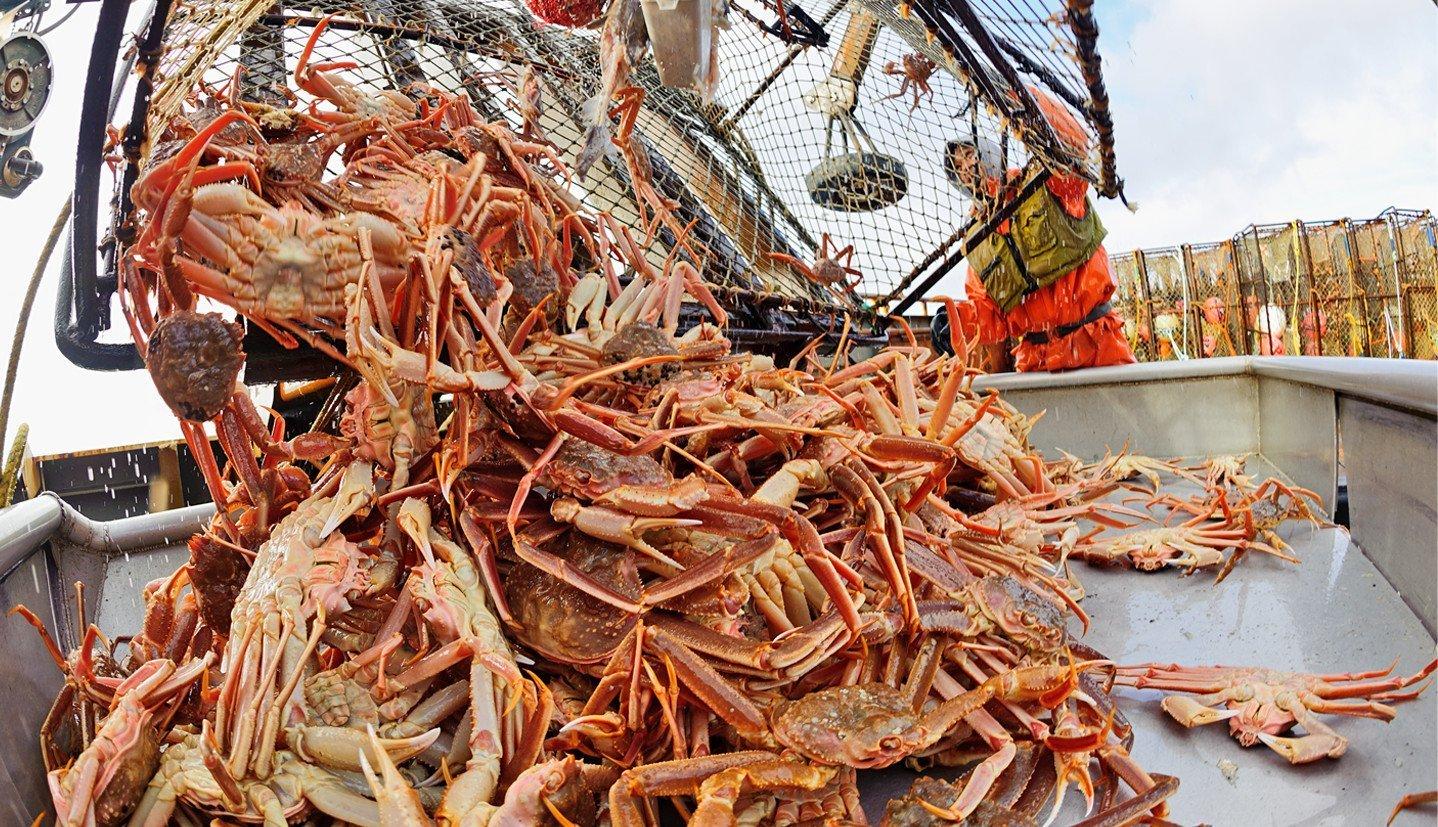
In an effort to address pressing labor shortages within the seafood industry, Alaska Senator Lisa Murkowski and several bipartisan lawmakers are advocating for a special exemption to the guest worker visa program. With the state’s fishing season approaching, the urgency for skilled workers has intensified, prompting concerns among industry leaders about potential disruptions to their operations. This proposed measure aims not only to sustain Alaska’s vital seafood sector but also to ensure that local businesses can meet the demands of the consumer market, particularly as economic pressures mount. As lawmakers navigate the complexities of immigration policy, the outcome of this initiative could have significant implications for both the fishing industry and broader discussions on labor reforms across the nation.
Alaska’s Seafood Industry Faces Labor Shortages as Lawmakers Advocate for Visa Flexibility
The seafood industry in Alaska, a vital component of the state’s economy, is currently grappling with significant labor shortages that threaten production levels. As demand for seafood products continues to surge, businesses are struggling to find enough skilled workers to harvest and process the catch. Senator Lisa Murkowski and a coalition of bipartisan lawmakers are advocating for a special guest worker visa that would allow the seafood sector to bridge the labor gap. This proposal aims to ease the restrictions on the H-2B visa program, which traditionally limits the number of seasonal workers available to the industry, thereby ensuring a steady supply of labor during peak fishing seasons.
Among the key benefits of this proposed visa flexibility are:
- Sustained Economic Growth: By employing more workers, the industry’s capacity to produce seafood will increase, contributing to the overall state economy.
- Job Security for Local Workers: A stable workforce can help maintain job openings for local Alaskan residents, along with boosting wages in the sector.
- Enhanced Product Quality: A fully staffed workforce allows for meticulous handling and processing of seafood, ensuring high-quality products for consumers.
In light of these challenges, stakeholders are closely monitoring the progression of this legislation, recognizing its potential to revitalize the industry and provide much-needed flexibility in hiring practices. As lawmakers continue to push for reforms, collaboration between local businesses and government officials will be essential to secure the necessary workforce to meet evolving market demands.
Murkowski and Colleagues Push for Guest Worker Visa Reforms to Support Sustainable Seafood Harvesting
Alaska Senator Lisa Murkowski, alongside a coalition of bipartisan lawmakers, is advocating for significant reforms to the guest worker visa program, aimed specifically at the seafood industry. This initiative arises from the ongoing challenges faced by local fisheries, particularly during peak harvesting seasons when the demand for labor surpasses the available workforce. Reforming the guest worker visa system could provide a much-needed solution to ensure that Alaska’s seafood sector not only remains competitive but also sustainable in the long term. The senators emphasize the need to tailor visa provisions that cater to the unique demands of this vital industry, which significantly contributes to both the state’s economy and the national food supply.
Among the proposed changes are measures to streamline the application process for guest workers and expand the duration of visas to accommodate longer harvesting periods. This push is crucial as numbers indicate a growing need for labor in seafood harvesting. The senators are focusing on fostering a more flexible system that allows seasonal workers to meet the industry’s fluctuating requirements. A potential overview of the proposed changes includes:
| Proposal | Description |
|---|---|
| Streamlined Applications | Faster processing of guest worker visa requests. |
| Longer Visa Durations | Extensions for seasonal workers aligned with harvest cycles. |
| Increased Worker Quotas | Adjusted limits to reflect industry labor demands. |
These revisions are anticipated to provide greater stability and predictability for seafood operations, ultimately enhancing the overall health of the industry. As the movement gains momentum in Congress, Murkowski and her colleagues are hopeful that these reforms will not only bolster the workforce but also ensure the sustainable practices that underpin Alaska’s rich maritime heritage are preserved for future generations.
Implications of Visa Modifications for Alaska’s Economy and Seafood Sector Resilience
The recent push by Alaska Senator Lisa Murkowski and several lawmakers to secure guest worker visa exceptions for the seafood industry highlights the critical intersection of immigration policy and economic viability in the region. Currently, the seafood sector grapples with a labor shortage exacerbated by restrictive visa regulations that hinder the influx of seasonal workers. The implications of this initiative are far-reaching, as it aims to bolster an industry that contributes significantly to Alaska’s economy, supporting thousands of jobs and generating essential revenue. By easing these visa restrictions, advocates argue, not only would it stabilize the labor market but also enhance the sector’s ability to respond to fluctuating demands, ensuring a steady supply of seafood products vital for local and national markets.
Moreover, this policy shift could serve to fortify the resilience of Alaska’s seafood sector against unpredictable economic circumstances, such as those posed by environmental changes and global market pressures. As demand for sustainable seafood continues to grow, the ability to maintain an adequate workforce becomes imperative. The potential benefits of granting these exceptions would include:
- Increased Employment Opportunities: Addressing labor shortages would lead to more job openings within the community.
- Enhanced Economic Stability: A robust seafood industry ensures consistent income for fishing families and local businesses.
- Support for Local Fisheries: Allowing skilled workers can improve fish quality and processing efficiency.
Final Thoughts
In conclusion, the push by Alaska Senator Lisa Murkowski and a bipartisan coalition of lawmakers underscores the urgent need to address labor shortages in the seafood industry. As the demand for fresh, sustainable seafood continues to rise, the proposed guest worker visa exception could provide a lifeline for local businesses struggling to find adequate staffing. This initiative reflects a broader commitment to supporting Alaska’s vital fisheries while ensuring that companies can maintain their operational viability. As discussions progress, stakeholders will be watching closely to see how this proposal unfolds and what it means for the future of Alaska’s seafood sector. As the situation develops, the balance between economic needs and immigration policy will undoubtedly remain a focal point of national dialogue.











