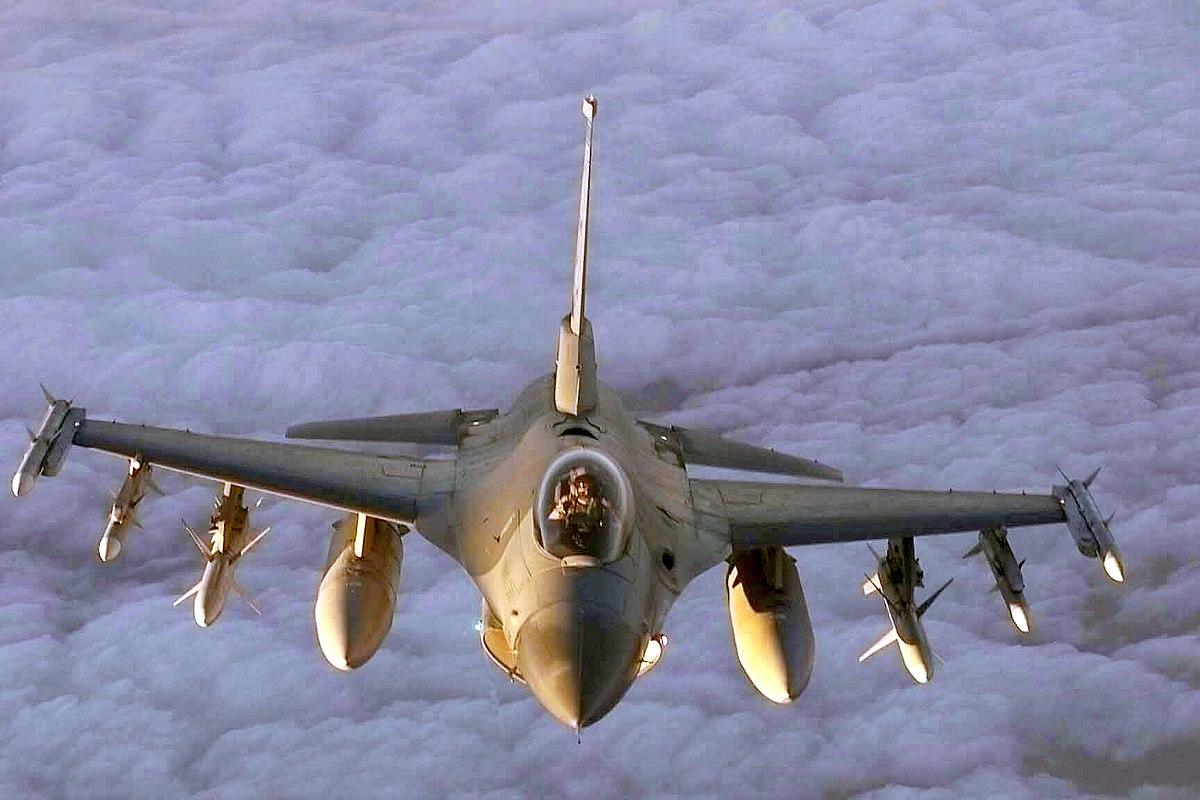
U.S. Intercepts Fifth Russian Surveillance Mission in a Week Near Alaska
In a significant display of military readiness, U.S. fighter jets intercepted a fifth Russian surveillance aircraft in close proximity to Alaska within a single week, highlighting escalating tensions in the region. The interception, part of ongoing monitoring and response efforts by the U.S. Air Force, underscores the strategic importance of Alaska as a frontier in national defense. This recent incident follows a series of similar encounters, raising questions about the intentions behind the increased Russian aerial activities and the implications for U.S.-Russia relations. As the situation evolves, military experts and government officials continue to scrutinize the motives of these operations, emphasizing the necessity for vigilance in Arctic airspace. With heightened geopolitical stakes, this development serves as a reminder of the complexities and challenges facing both nations in a rapidly changing security landscape.
US Air Force Responds to Increased Russian Surveillance Near Alaskan Airspace
The recent uptick in Russian surveillance operations near Alaskan airspace has alarmed the Pentagon, leading to a decisive response from the US Air Force. Over the past week, US fighter jets have successfully intercepted five Russian surveillance missions, highlighting a trend of increased activity from the Russian military as tensions between the two nations continue to rise. These operations have primarily involved identification and monitoring of Russian aircraft approaching the US territorial limit, where they could pose a potential threat to national security. The interceptions serve not only as a defense measure but also as a clear signal to Moscow regarding the United States’ commitment to safeguarding its airspace.
Military officials have indicated that this surge in activity can be attributed to a variety of factors, including geopolitical tensions and strategic posturing. The US Air Force has reiterated its readiness to respond to any potential threats in the region, emphasizing the importance of vigilance and preparedness. Key actions taken by the US include:
- Enhanced aerial surveillance missions over the Arctic.
- Increased joint training exercises with allied forces in the region.
- Strengthened communication channels with NORAD to streamline response protocols.
| Date | Russian Mission Type | US Response |
|---|---|---|
| October 15 | Reconnaissance Plane | Intercepted by F-22 Raptors |
| October 16 | Bomber Patrol | Scrambled alert missions |
| October 17 | Surveillance Drone | Monitoring and interception |
| October 18 | Electronic Warfare Aircraft | Joint response with Canadian forces |
| October 19 | Long-Range Bomber | Intercepted and escorted |
Implications of Rising Tensions in the Arctic Region for National Security
The recent escalation of incursions by Russian surveillance missions near Alaska has raised critical concerns regarding national security in the Arctic region. As US aircraft intercept their fifth Russian mission in just a week, the implications for both military preparedness and diplomatic relations cannot be understated. The Arctic is increasingly becoming a focal point for strategic competition, with countries vying for access to untapped resources and new shipping routes that are opening as climate change progresses. Such maneuvers not only heighten the risks of miscalculation and escalation but also underscore the urgency for the US to enhance its military presence in the region.
In response to these developments, policymakers are exploring various strategies to bolster national defense. Key considerations include:
- Increased Military Assets: Deploying more surveillance and interception capabilities in the Arctic.
- International Collaboration: Strengthening alliances with NATO and Arctic Council member states to present a united front.
- Enhanced Intelligence Sharing: Improving coordination among intelligence agencies to track and analyze Russian activities in real-time.
A growing focus on Arctic infrastructure is also essential. The table below highlights potential improvements necessary to support military and humanitarian operations in the region:
| Infrastructure Type | Purpose |
|---|---|
| Airbases | Facilitate quicker response times and increased air patrols. |
| Naval Bases | Enhance maritime security and support operations. |
| Communication Networks | Ensure robust data sharing and coordination among agencies. |
Strategies for Enhanced Monitoring and Preparedness in Remote Military Operations
Amid increasing activity from Russian surveillance operations near Alaska, the need for improved strategies in monitoring and operational preparedness becomes more crucial than ever. Enhanced situational awareness is essential for military operations in such remote environments. Key strategies include:
- Advanced Sensor Technologies: Utilizing cutting-edge radar and satellite systems to continuously track and analyze aerial threats.
- Real-Time Data Sharing: Establishing secure communication channels among allied forces to facilitate instant exchange of intelligence and operational updates.
- Joint Training Exercises: Conducting regular multinational drills to refine responses to potential incursions, ensuring all personnel are well-prepared for real-time scenarios.
Moreover, strengthening local base operations can significantly bolster defensive capabilities. Key measures to consider include:
| Measure | Description |
|---|---|
| Upgraded Infrastructure | Investing in modernized facilities capable of supporting advanced operations. |
| Increased Personnel Readiness | Ensuring troops are consistently trained and equipped for rapid deployment. |
| Enhanced Logistics Support | Improving supply chain management for timely availability of essential resources. |
Closing Remarks
As tensions continue to rise in the Arctic, the repeated intercepts of Russian surveillance missions by U.S. aircraft highlight the ongoing geopolitical dynamics in the region. With five such incidents occurring near Alaska in just one week, military officials are reaffirming their commitment to national security and the protection of U.S. airspace. The frequency of these encounters underscores not only the strategic importance of the Arctic but also the necessity for vigilance in monitoring potential threats. As both nations navigate complex relations, the situation remains fluid, and future developments will inevitably warrant close attention. The Fairbanks Daily News-Miner will continue to provide updates and insights on this evolving story.