
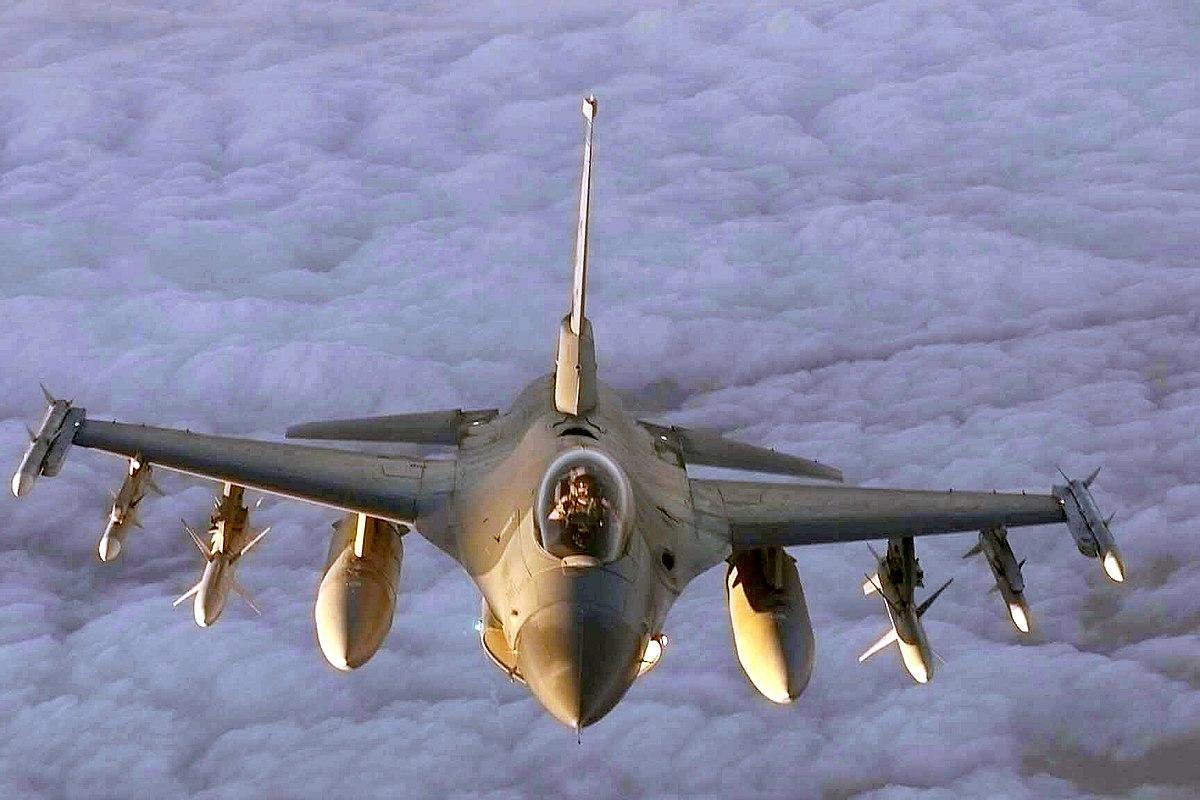
In a notable incident reflecting ongoing geopolitical tensions, U.S. fighter jets were deployed to intercept Russian warplanes near the coast of Alaska. This encounter, reported by NBC News, underscores the increasing frequency of military interactions in contested areas as both nations assert their air sovereignty. The intercept highlights the vigilant state of U.S. air defense operations in the Arctic region, where Russian military activities have been on the rise. As the rivalry between the two nations evolves, the implications of such encounters extend beyond immediate national security concerns, sparking discussions about the broader ramifications for international relations and military strategy.
U.S. Military Response to Russian Activity in Alaskan Airspace
In a significant display of readiness, U.S. fighter jets were promptly dispatched to intercept several Russian warplanes operating near the Alaskan coast. The activity, characterized by a series of flyovers by Russian military aircraft, has raised concerns about sovereignty and national security in the region. The U.S. military has reiterated its commitment to ensuring the integrity of American airspace, emphasizing the necessity of vigilance in response to foreign maneuvers that may challenge it. Reports indicate that the intercepted aircraft included strategic bombers and reconnaissance planes, which frequently test the boundaries of the airspace but often withdraw without incident following interception.
Military analysts point out that this recurrence of Russian aerial activity could be attributed to strategic posturing amidst heightened geopolitical tensions. Key points regarding this recent interaction include:
- Increased Patrols: Both the U.S. and Russia have ramped up their aerial exercises in the Arctic.
- Real-time Monitoring: The North American Aerospace Defense Command (NORAD) is maintaining a heightened state of alert in light of these developments.
- Communications Protocols: Established protocols for aircraft engagement are in place to minimize the risk of escalation during such encounters.
Implications for Arctic Security and International Relations
The recent incident of U.S. fighter jets intercepting Russian warplanes near Alaska underscores the escalating tensions in the Arctic region, which have significant implications for national security and international relations. As global interest in the Arctic grows due to climate change and the associated economic opportunities, nations are recalibrating their military postures. Analysts are increasingly concerned that such encounters may lead to military miscalculations or escalating confrontations between Arctic powers, heightening the risk of conflict. Key factors influencing this dynamic include:
- Geopolitical Rivalry: The Arctic is becoming a pivotal arena for U.S.-Russia relations as both countries vie for control over maritime routes and resource-rich territories.
- Military Presence: Increased military activities by both nations amplify an already contentious atmosphere, with both bolstering their capabilities in the region.
- International Treaties: Existing international frameworks, such as the United Nations Convention on the Law of the Sea, are increasingly tested by claims and counterclaims over territorial waters.
| Country | Military Presence | Strategic Goals |
|---|---|---|
| United States | Increased air and naval patrols | Protect territorial integrity and counter Russian expansion |
| Russia | Strengthened Arctic military bases | Expand influence and secure resource claims |
As these powers assert their interests more forcefully, the Arctic could become a flashpoint for geopolitical tensions. The ripple effects of these military maneuvers extend far beyond the immediate area, affecting alliances and partnerships as Arctic nations seek to navigate the complexities of a shifting security landscape. Regional cooperation is essential, yet the underlying rivalry threatens to undermine collective efforts, drawing attention to the crucial need for diplomatic engagement and confidence-building measures among Arctic nations.
Recommendations for Strengthening Air Defense and Diplomatic Strategies
In light of the recent incident involving U.S. fighter jets intercepting Russian warplanes near the Alaskan coast, it is essential to consider steps to enhance air defense capabilities. This can be achieved through various measures, including:
- Investment in advanced radar technology: Improving detection systems will enable earlier identification of potential threats.
- Increased joint military exercises: Collaborating with NATO allies can bolster readiness and establish more effective response protocols.
- Adequate training programs: Enhancing pilot readiness through simulated intercept scenarios will ensure that aircrews remain adept at managing unexpected encounters.
Alongside strengthening air defenses, fostering diplomatic channels remains crucial in mitigating tensions. Proactive diplomatic strategies should focus on:
- Engagement through multilateral talks: Establishing frameworks for dialogue with Russia can help in addressing security concerns collectively.
- Clear communication lines: Maintaining open lines of communication reduces the risk of misinterpretation during military maneuvers.
- A commitment to arms control: Pursuing agreements on airspace and military presence can contribute to stability in the region.
| Action | Objective |
|---|---|
| Invest in Radar Technology | Improve detection of aerial threats |
| Joint Military Exercises | Enhance NATO collaboration |
| Diplomatic Engagement | Mitigate military tensions |
Closing Remarks
In conclusion, the recent interception of Russian warplanes by U.S. fighter jets off the coast of Alaska underscores the ongoing tensions between the United States and Russia. This incident highlights not only the strategic importance of Arctic airspace but also the heightened military activities in the region. As both nations continue to navigate these complex dynamics, the eyes of the international community remain focused on developments that could signal shifts in military postures and diplomatic relations. The situation serves as a reminder of the delicate balance between national security and the need for open lines of communication. As this story unfolds, further analysis and updates will be critical in understanding the broader implications for U.S.-Russia relations and global security.











