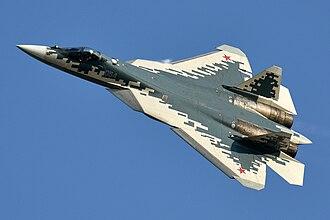
In a concerning development for North American airspace security, the North American Aerospace Defense Command (NORAD) has reported the sighting of four Russian warplanes operating near Alaska. This incident, which raises questions about regional stability and military posturing, highlights the ongoing tensions between the United States and Russia. As geopolitical dynamics evolve, the presence of these Russian aircraft serves as a reminder of the strategic challenges facing U.S. defense forces in the Arctic and reflects broader implications for international relations in the region. Officials are closely monitoring the situation amid heightened vigilance and diplomatic discussions surrounding military activity in the area.
Russian Military Activity Raises Concerns Over Arctic Airspace Security
Recent sightings of four Russian warplanes near Alaska have heightened tensions and prompted discussions about the security of Arctic airspace. The North American Aerospace Defense Command (NORAD) confirmed that the aircraft, identified as strategic bombers, were monitored as they flew close to U.S. airspace. This incident is part of a larger pattern of Russian military maneuvers that experts believe could be a show of force in a region increasingly seen as vital to national security and global trade routes.
Officials from NORAD have expressed concern over the implications of such military activities, emphasizing the need for vigilance in monitoring airspace. Among the potential risks associated with this increase in Russian military presence are:
- Escalation of Tensions: These maneuvers could contribute to rising geopolitical tensions between Russia and NATO nations.
- Threat to Civilian Air Traffic: Increased military flights could pose risks to civilian aircraft in an already sensitive airspace.
- Impact on Arctic Diplomacy: The strategic importance of the Arctic region is growing, and military activities might complicate diplomatic relations.
Implications of Increased Naval and Aerial Presence Near U.S. Borders
The recent sighting of Russian warplanes near Alaska underscores a growing trend in aerial and naval activity that could reshape the security dynamics along the U.S. borders. With increased military posturing from Russian forces, experts warn of potential implications for U.S. defense strategy. Such operations not only serve to test U.S. military readiness but also signal a determination from Moscow to assert its presence in the Arctic and Pacific regions. The ramifications of this increased activity manifest in various ways:
- Heightened Tensions: The proximity of foreign military assets to U.S. airspace raises concerns about miscalculations and accidental engagements.
- Resource Allocation: Increased patrols and sorties may require a shift in U.S. military resources, leading to a readjustment of defense budgets and deployments.
- Allied Cooperation: The necessity for coordinated responses with NATO allies could intensify, promoting multinational exercises to enhance interoperability.
Moreover, understanding the strategic motives behind these operations is crucial. Russia’s increased naval presence in the waters surrounding Alaska could be viewed as an attempt to disrupt shipping routes, especially given the ongoing tensions in Ukraine. This situation invites further analysis into not just military capabilities but also the economic implications for the U.S. and its allies. A quick overview of the potential military assets involved might include:
| Country | Asset Type | Capabilities |
|---|---|---|
| Russia | Warplanes | Surveillance and strike capabilities |
| U.S. | Fighter Jets | Air superiority and interception |
| Canada | Patrol Aircraft | Maritime surveillance |
Strategic Recommendations for Enhanced NORAD Readiness and Engagement
The recent sighting of four Russian warplanes near Alaska underscores the imperative for enhancing operational readiness and engagement within the North American Aerospace Defense Command (NORAD). To effectively address this escalating pattern of provocative air activity, NORAD must adopt a multifaceted strategy that includes:
- Increased Surveillance: Expanding radar coverage and integrating state-of-the-art monitoring technologies will provide real-time data on potential threats.
- Enhanced Aerial Patrols: Deploying additional fighter jets to regularly patrol sensitive areas will deter unauthorized incursions and bolster national defense.
- Joint Training Exercises: Collaborative drills involving U.S. and Canadian forces can improve response times and coordination in the event of an actual threat.
Moreover, it is vital to foster stronger partnerships with allied nations in tracking and responding to aerial threats. Creating a unified command structure could streamline communication and operational efficiency. Initiating diplomatic channels with Russia to address airspace violations may also be beneficial. In support of these recommendations, the following table outlines key focus areas for NORAD:
| Focus Area | Objective | Outcome |
|---|---|---|
| Surveillance | Expand radar systems | Real-time threat detection |
| Defense Readiness | Increase interceptor aircraft | Quick response capability |
| Allied Cooperation | Improve joint operations | Strengthened air defense |
Closing Remarks
In summary, the recent sighting of four Russian warplanes near Alaska has sparked renewed attention on the dynamics of military activity in the Arctic region. As NORAD continues to monitor the situation closely, officials emphasize the importance of readiness in the face of potential security challenges. While the incident underscores the complex interplay of international relations and defense strategy, it also reflects the ongoing vigilance required to ensure national security in an ever-evolving geopolitical landscape. As developments unfold, further updates will be essential in understanding the implications of these aerial encounters for both the U.S. and Canadian airspace.