
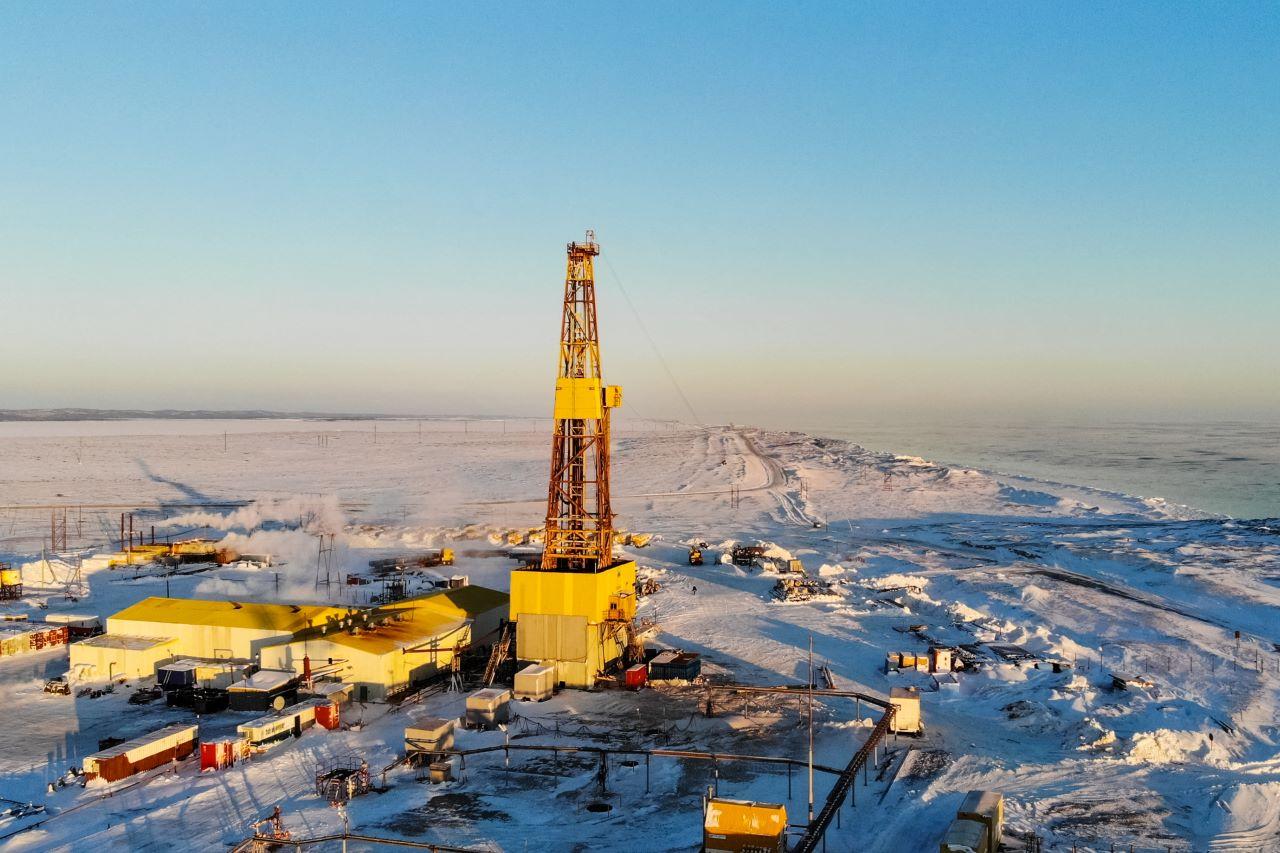
In a move poised to reshape the landscape of U.S. energy production, the Trump administration has announced plans to open additional acres in Alaska for oil and gas drilling. This decision, which has sparked a wave of debate among environmentalists, industry advocates, and local communities, underscores the administration’s ongoing commitment to expanding fossil fuel exploration in one of America’s most pristine and ecologically sensitive regions. As energy demands continue to rise and climate concerns weigh heavily on the public discourse, this initiative is expected to have significant implications for both the national economy and the environmental integrity of Alaska. With many eyes on the potential economic benefits and environmental risks, the latest development marks a crucial chapter in the country’s energy policy.
Trump Administration Expands Oil and Gas Drilling Opportunities in Alaska
The recent initiative by the federal government marks a significant move towards expanding fossil fuel extraction in Alaska, a region long considered rich in energy resources. This decision allows for the leasing of thousands of acres, which are expected to attract interest from major oil and gas companies eager to tap into the pristine Arctic landscape. The areas identified for drilling encompass both previously protected lands and regions that have seen limited exploration in the past, potentially opening the door to substantial energy production and economic development in the state.
Critics of the expansion, however, voice strong environmental concerns, arguing that increased drilling could lead to irreparable damage to delicate ecosystems and contribute to climate change. The administration’s push comes at a time when energy independence and economic recovery are focal points of policy discussions, framing the debate surrounding Alaska’s oil and gas drilling in terms of job creation and energy security. As companies prepare to respond to the new leasing opportunities, stakeholders from various sectors are closely watching the implications of this policy shift.
Environmental Concerns and Economic Impacts Amid New Drilling Policies
As the Trump administration advances its agenda to expand oil and gas drilling in Alaska, the initiative raises significant environmental concerns among various stakeholders. Critics emphasize that such policies may jeopardize vital ecosystems, particularly in sensitive areas like the Arctic National Wildlife Refuge. The potential for increased drilling operations could lead to issues such as:
- Habitat destruction: Increased industrial activity threatens the habitats of endangered species and disrupts the delicate balance of local ecosystems.
- Oil spills: The risk of oil spills significantly rises with expanded drilling, which could gravely impact marine and terrestrial wildlife.
- Climate change: Enhanced fossil fuel extraction contradicts global efforts to mitigate climate change, raising questions about long-term sustainability.
From an economic perspective, the new drilling policies may provide short-term job growth and stimulate local economies. Proponents argue that expanding drilling could lead to:
- Increased revenue: Enhanced drilling operations are likely to boost government revenues through taxes and royalties.
- Job creation: New positions would arise in construction, operations, and support services associated with drilling activities.
- Energy independence: Accessing domestic oil resources is seen as a measure to decrease reliance on foreign oil imports.
| Pros | Cons |
|---|---|
| Job creation and economic growth | Environmental degradation and biodiversity loss |
| Increased government revenue | Heightened risk of oil spills |
| Enhanced energy independence | Contribution to climate change |
Recommendations for Sustainable Practices in Alaska’s Oil and Gas Development
As Alaska prepares for expanded oil and gas drilling, implementing sustainable practices is essential to mitigate environmental impacts. Key recommendations include:
- Robust Environmental Assessments: Conduct comprehensive environmental impact assessments before drilling operations commence to ensure all potential ecological effects are considered and mitigated.
- Use of Advanced Technologies: Invest in cutting-edge technologies that minimize emissions, reduce water use, and improve waste management practices in extraction processes.
- Engagement with Indigenous Communities: Collaborate closely with local Indigenous communities to incorporate traditional ecological knowledge and address their concerns regarding land use and environmental stewardship.
Furthermore, regulatory frameworks should be strengthened to enforce compliance with sustainability metrics. Establishing an ongoing monitoring system can ensure that environmental standards are adhered to throughout the lifecycle of oil and gas projects. Suggested measures include:
- Continuous Monitoring Programs: Implement real-time monitoring systems to track emissions and environmental changes during drilling activities.
- Incentives for Renewable Energy Alternatives: Develop financial incentives for companies that invest in renewable energy sources or improve energy efficiency practices.
- Public Reporting Accountability: Mandate companies to report publicly on their sustainability practices and environmental impacts, fostering greater transparency and community trust.
| Practice | Benefit |
|---|---|
| Environmental Assessments | Identifies potential risks early |
| Advanced Technologies | Reduces overall environmental footprint |
| Community Engagement | Builds trust and local partnerships |
The Way Forward
In conclusion, the Trump administration’s decision to open more acres in Alaska for oil and gas drilling reflects its ongoing commitment to energy independence and economic growth. Supporters argue that increased drilling will create jobs and bolster local economies, while critics raise concerns over environmental impacts and the preservation of natural habitats. As the debate continues, the implications of this policy change will likely resonate beyond Alaska, shaping the future of energy production and environmental policy across the United States. Stakeholders from various sectors will be watching closely as the administration moves forward with its plans, paving the way for a new chapter in America’s energy landscape.











