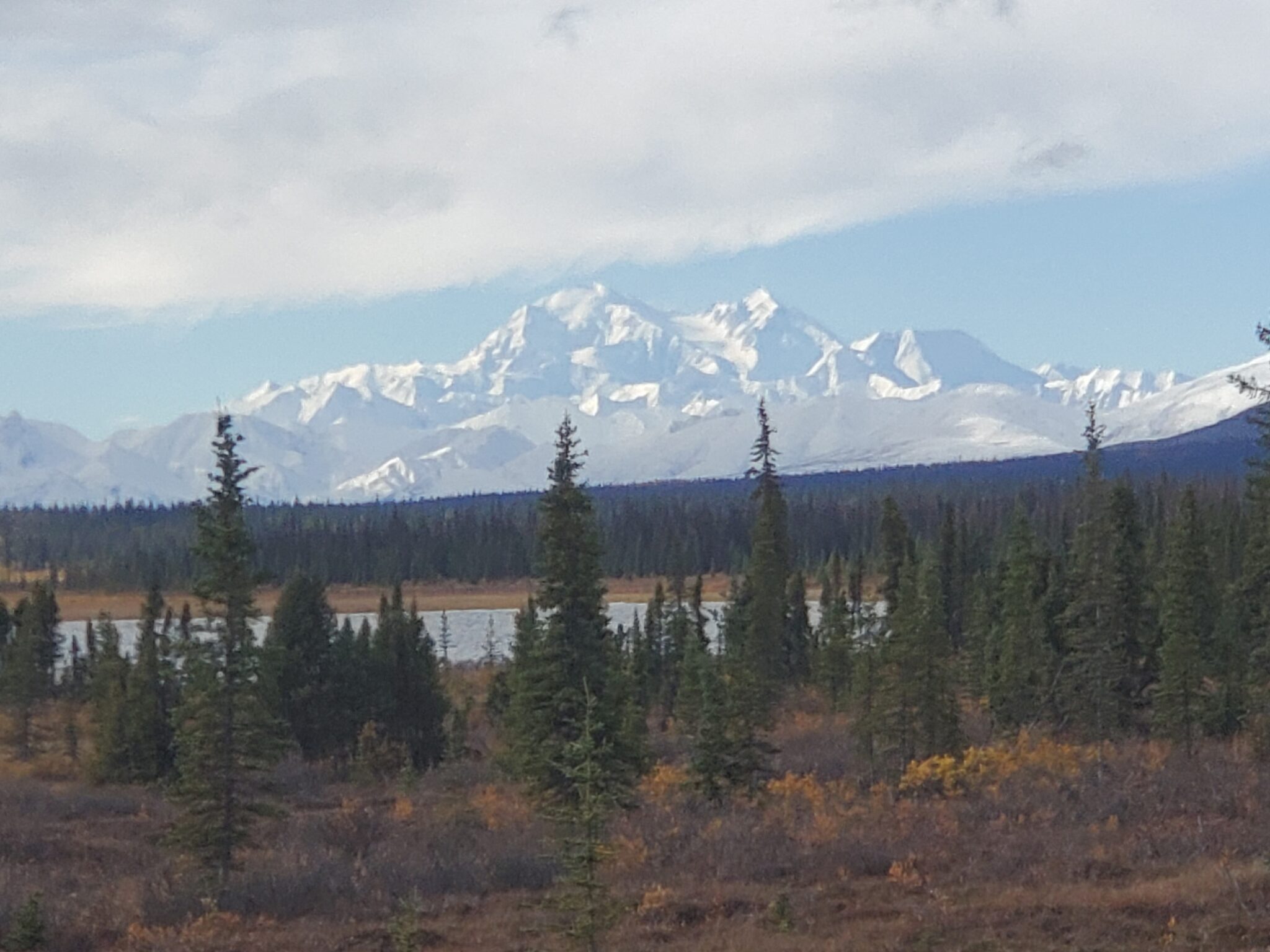
State Sen. Scott Kawaski, D-Fairbanks had a terse response. On social media, he posted a photo of the mountain. “Nope! It is Denali!” he said on the site Bluesky. He had a similar message on the social media site X.
Ivan Moore, an Anchorage-based pollster and political consultant, also had a brief message. “This mountain will always be called Denali,” he said in a Bluesky post that featured a photo of the snow-capped peak in autumn.
A statement on behalf of Sen. Dan Sullivan, R-Alaska, reiterated his past support for the Denali name, but it stopped short of suggesting any action to counter Trump’s move.
“Senator Sullivan like many Alaskans prefers the name that the very tough, very strong, very patriotic Athabascan people gave the mountain thousands of years ago – Denali,” said a statement sent by a spokesperson, Amanda Coyne. She said no further comment was expected for now.
Gov. Mike Dunleavy, who like Sullivan has been a staunch Trump supporter, did not release any statement. His spokesperson did not respond to queries on Tuesday.
Trump’s mountain-renaming plan reopens a debate that had appeared to be settled in 2015.
The Denali name has long been preferred by climbers. Hudson Stuck, leader of the first party to summit the mountain, titled his 1918 book about the expedition “The Ascent of Denali,” though the title had Mount McKinley in parentheses.
The Denali name was formalized as the official state name in 1975 by the Alaska Board of Geographic Names. That year, the Alaska Legislature asked the U.S. Board on Geographic Names, part of the U.S. Geological Survey, to follow suit. It was the first of many official attempts to get the federal government’s name for the mountain to match the state’s formal name.
The U.S. government’s use of the McKinley name has long been a sore point for many Alaskans.
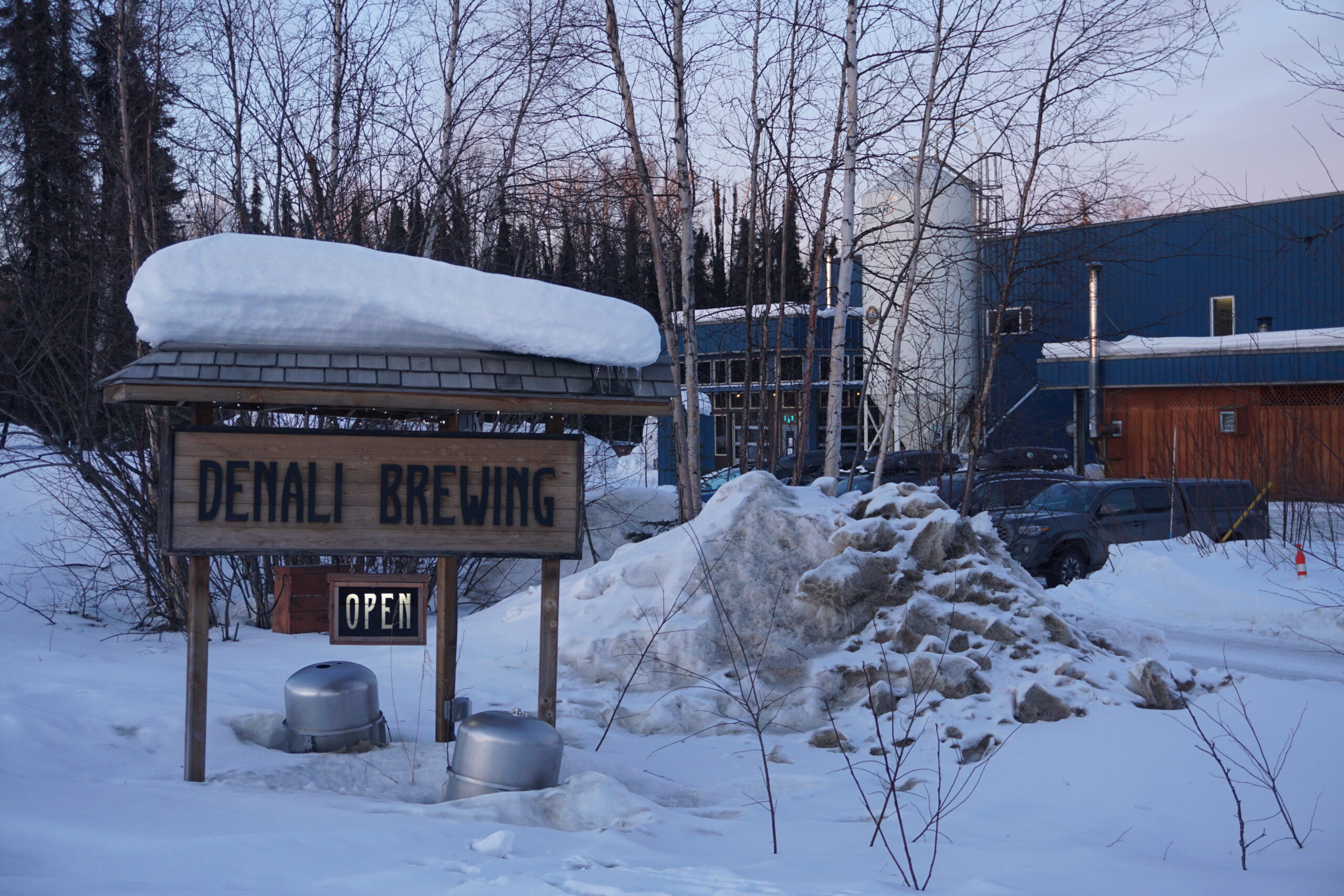 Denali Brewing, a brewpub in Talkeetna, is seen on March 9, 2024. It is one of the numerous Alaska businesses named for Denali. (Photo by Yereth Rosen/Alaska Beacon)
McKinley, who was from Ohio, never visited Alaska. His name was attached to the mountain after a gold prospector working in Alaska in 1896 celebrated the news that Mckinley, a supporter of the gold standard, had won the Republican nomination for president.
For decades, the state government and members of Alaska’s congressional delegation petitioned the federal government to use the name Denali. But that federal name change was stymied by opposition from Ohio’s congressional delegation. The U.S, Board on Geographic Names did not have the authority to override objections from any member of Congress.
Ultimately, the Obama administration took action to grant the state’s request for the mountain’s name. Interior Secretary Sally Jewell’s order was issued just before Obama made a historic trip to Alaska in 2015 to highlight climate change and Arctic issues.
Aside from being the common name for the mountain, Denali is a prominent name throughout Alaska. The 6-million-acre land unit where the mountain is located is Denali National Park and Preserve. Denali is a commonly used name elsewhere in Alaska, for an Interior borough, schools, businesses, a highway and various neighborhood locations. An animated PBS Kids show, Molly of Denali, pays homage to the name and the Indigenous culture that is its source. Denali is even a name that parents in Alaska sometimes choose for their babies.
The Denali-McKinley switch was not the only controversial proposal Trump made on Sunday concerning circumpolar Indigenous people.
Trump also said he wants the United States to buy Greenland, a plan he floated in his first term. Greenland is a self-governing territory of the Kingdom of Denmark, with its own parliament and administrative branch. The vast majority of the island’s 56,000 residents are Inuit, referring to themselves as Kalaallit. The Indigenous name for the island, which is the largest in the world, is Kalaallit Nunaat.
When he proposed the purchase the first time, in 2019, some Greenlandic and Inuit treated it as a joke, while some viewed it as an insult, according to press coverage at the time.
Among those who treated it seriously was Sara Olsvig, who is currently international chair of the Inuit Circumpolar Council.
“To talk about buying a whole nation and the people is, I think, extremely imperialistic and should not be something that we hear world leaders say in 2019,” Olsvig, a former Greenlandic parliament member, told National Public Radio at the time. “It shows that we are still living in a world where indigenous peoples, or self-governing nations even within states, are seen as something that can be bought and sold.”
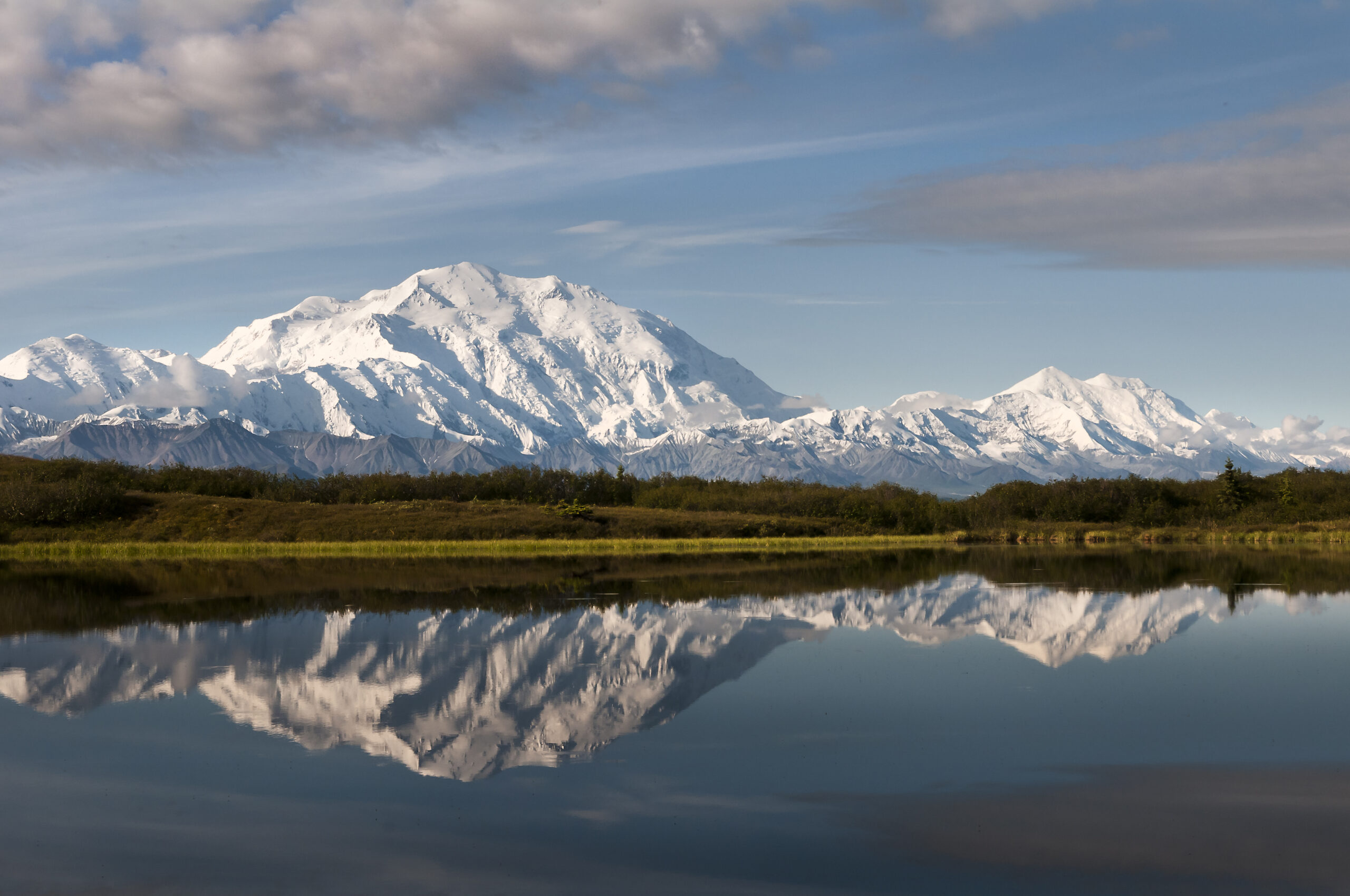 Denali, North America’s tallest peak, is reflected in Wonder Lake in Denali National Park and Preserve. (Photo provided by the National Park Service)
Source link : http://www.bing.com/news/apiclick.aspx?ref=FexRss&aid=&tid=676c2162aa9d4f8084d3205d788aba6f&url=https%3A%2F%2Falaskabeacon.com%2F2024%2F12%2F25%2Ftrumps-plan-to-revert-denali-to-mount-mckinley-name-irks-alaskans%2F&c=13652006424872793160&mkt=en-us
Author :
Publish date : 2024-12-25 02:00:00
Copyright for syndicated content belongs to the linked Source.