U.S. Coast Guard Monitors Chinese Research Vessel Off Alaska: A Heightened Vigilance Amidst Growing Tensions
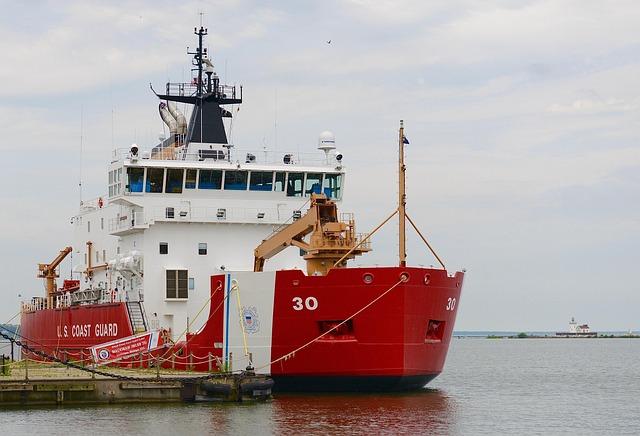
In a notable maritime encounter, the U.S. Coast Guard has recently responded to the presence of a Chinese research vessel operating off the coast of Alaska, prompting discussions about the implications of foreign naval activities in U.S. territorial waters. This development raises questions about national security, maritime sovereignty, and the evolving dynamics of international relations in the Arctic region. As tensions mount between the United States and China, the Coast Guard’s engagement underscores the agency’s critical role in safeguarding American interests, maintaining safe navigation, and ensuring compliance with international maritime law. The situation continues to unfold, drawing attention from policymakers and analysts alike as they assess the broader impact of such transits on the geopolitical landscape.
U.S. Coast Guard Monitors Increased Chinese Maritime Activity Near Alaskan Waters
The U.S. Coast Guard has ramped up its surveillance efforts following an uptick in Chinese maritime activities in the waters off Alaska. This increased presence has raised concerns among U.S. officials regarding potential implications for national security and fishing rights. Coast Guard assets have been actively monitoring the vicinity to ensure safe navigation and compliance with international maritime laws. In particular, the Coast Guard aims to safeguard the interests of local fishermen, whose operations may be impacted by foreign vessels conducting research in the area.
Recent reports indicate that the Chinese research vessel, identified as the Shiyan 1, has been conducting scientific studies in the Bering Sea, an area critical for both ecological balance and commercial fishing. As part of their monitoring efforts, the Coast Guard has implemented a series of measures, including:
- Regular patrols in collaboration with the U.S. Navy.
- Enhanced aerial surveillance using Coast Guard aircraft.
- Engagement with local stakeholders to keep communities informed.
To provide clarity and transparency, the Coast Guard is also developing a schedule for public briefings that will cover the ongoing situation and answer questions from concerned residents. This approach aims to foster community trust while ensuring that any maritime research activities are carried out within established guidelines.
Implications of Foreign Research Vessels on U.S. National Security and Environmental Research
The presence of foreign research vessels in U.S. waters, particularly those belonging to nations like China, raises significant concerns regarding national security. As these vessels often operate under the guise of scientific investigation, they may collect sensitive data on U.S. territorial waters, marine life, and undersea resources. The following implications highlight the risks posed by foreign vessels:
- Intelligence Gathering: Foreign research vessels can potentially function as platforms for espionage, gathering intelligence that could be utilized to undermine U.S. interests.
- Environmental Concerns: Unregulated or non-compliant foreign operations could lead to ecological disruption, impacting marine ecosystems and resources crucial to U.S. industries and local communities.
- Maritime Sovereignty: The unauthorized presence of foreign vessels can challenge U.S. sovereignty over its own maritime spaces, prompting diplomatic tensions.
In response to these challenges, the U.S. Coast Guard and other federal agencies have been vigilant in monitoring and, where necessary, intercepting such foreign research vessels. This heightened presence aims to ensure that American territorial rights and environmental integrity are upheld. The table below summarizes key actions taken in recent encounters with foreign research vessels:
| Incident Date | Vessel Name | Action Taken |
|---|---|---|
| September 5, 2023 | Chinese Ocean Explorer | Intercepted and escorted out of U.S. waters |
| August 12, 2023 | Foreign Research Ship Alpha | Monitored and reported to national security agencies |
| July 23, 2023 | Research Vessel Beta | Engaged in diplomatic discussion regarding data gathering |
Strategic Recommendations for Enhancing U.S. Coast Guard Operations in Arctic Regions
In light of recent encounters with foreign research vessels in Alaskan waters, it is crucial for the U.S. Coast Guard to strengthen its operational capabilities in Arctic regions. To address the unique challenges posed by this environment, the following strategic initiatives should be prioritized:
- Enhancement of Icebreaking Fleet: Increasing the number and capabilities of icebreakers will allow for greater access and mobility, reinforcing presence and response capabilities in the Arctic.
- Collaboration with Indigenous Communities: Building partnerships with local communities can provide essential insights into regional conditions and foster mutual trust.
- Investment in Advanced Technology: Implementing cutting-edge reconnaissance and surveillance technologies will improve situational awareness and monitoring of maritime activities.
- Increased Training and Resource Allocation: Focusing on specialized training for personnel in polar operations will enhance readiness and effectiveness in responding to emergencies in extreme conditions.
To ensure these enhancements are effectively implemented, the Coast Guard should also consider establishing a framework for joint operations with allied nations. This collaboration could include:
| Collaborative Focus | Potential Benefits |
|---|---|
| Joint Training Exercises | Improved interoperability and operational efficiency |
| Information Sharing Protocols | Enhanced situational awareness and decision-making |
| Resource Sharing Agreements | Cost-effective use of assets and support |
By proactively addressing these strategic areas, the U.S. Coast Guard can significantly enhance its operational effectiveness, ensuring safety and security in the increasingly contested Arctic region. This approach not only secures American interests but also demonstrates a commitment to collaborative stewardship of the Arctic environment.
Concluding Remarks
In summary, the recent encounter between the U.S. Coast Guard and a Chinese research vessel off the Alaskan coast underscores the ongoing geopolitical tensions in the Arctic region. As both nations navigate the complexities of maritime operations and territorial claims, the Coast Guard remains vigilant, ensuring the safety and security of U.S. waters. This incident highlights the importance of robust maritime governance and international cooperation in addressing emerging challenges in a rapidly changing environment. As the Arctic becomes an increasingly contested space, the U.S. Coast Guard’s proactive measures reflect its commitment to safeguarding national interests while promoting stability in the region. Future events will undoubtedly shape the dynamics of U.S.-China relations in the Arctic, and the Coast Guard’s role will be pivotal in these evolving maritime interactions.