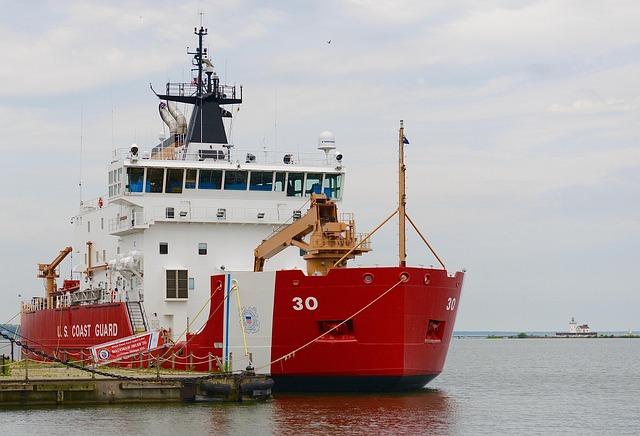
In a significant escalation of tensions in the Arctic region, the U.S. Coast Guard has intercepted two Chinese research vessels operating in disputed waters of the Arctic Ocean. The incident highlights the growing geopolitical stakes surrounding the Arctic, where melting ice is opening new shipping routes and access to untapped natural resources. As nations vie for control and influence over these strategic areas, the U.S. Coast Guard’s proactive measures underscore its commitment to safeguarding American interests and ensuring maritime security. This encounter not only reflects the intricate dynamics of U.S.-China relations but also raises critical questions about sovereignty, environmental protection, and international cooperation in a rapidly changing climate.
Coast Guard’s Strategic Role in Arctic Security Amid Rising Tensions
The recent interception of two Chinese research ships in the Arctic underscores the escalating geopolitical tensions in a region that is becoming increasingly significant for global trade and environmental issues. The U.S. Coast Guard has established itself as a critical player in maintaining maritime security and safeguarding national interests amid a backdrop of competing claims and interests from various countries. This operation not only highlights the Coast Guard’s tactical capabilities but also reinforces its role as a first responder in addressing challenges posed by foreign activities in contested waters.
In addition to direct action, the Coast Guard’s multidimensional strategy includes fostering international partnerships and conducting joint operations, reinforcing collective security frameworks in the Arctic. Key elements of its strategic role comprise:
- Surveillance and Monitoring: Continual observation of maritime activities in the Arctic region.
- Research Collaboration: Working with other nations on scientific studies that emphasize environmental protection.
- Search and Rescue Operations: Preparedness to respond quickly to emergencies in these remote areas.
As concerns about climate change open up new shipping routes and resource opportunities, the Coast Guard’s proactive stance is essential for responding to challenges and ensuring a stable maritime environment in these rapidly changing waters.
Implications of Chinese Research Activities in U.S. Territorial Waters
The recent interception of two Chinese research vessels by the U.S. Coast Guard in the Arctic has underscored the growing tensions between the United States and China regarding territorial claims in this strategically important region. The Arctic is rich in resources, including oil and gas reserves, and is increasingly becoming a focal point for geopolitical maneuvering. The presence of Chinese research ships in American territorial waters raises significant concerns about territorial sovereignty and the potential for resource exploitation. Furthermore, the incident highlights the need for robust surveillance and enhanced patrols in disputed areas to protect national interests.
Experts warn that these activities could have various ramifications, including:
- Increased Military Presence: The U.S. may need to bolster its military assets in the Arctic to deter further incursions.
- Diplomatic Strain: This could sour U.S.-China relations, complicating cooperation on critical global issues, such as climate change.
- Global Supply Chains: Tensions in the Arctic might impact shipping routes and trade flows, affecting economies worldwide.
| Aspect | Potential Outcomes |
|---|---|
| Territorial Sovereignty | Increased tensions and potential conflicts |
| Resource Management | Heightened competition for Arctic resources |
| Geopolitical Dynamics | Shift in alliances and partnerships |
Strengthening International Collaboration for Arctic Governance and Stability
The recent interception of two Chinese research vessels by the U.S. Coast Guard highlights the ongoing tensions and complex dynamics in the Arctic region. As nations vie for strategic advantages, the need for a cohesive international governance framework becomes increasingly critical. This incident invites a renewed focus on how competing territorial claims can lead to greater instability and heightened military presence. Key players, including both Arctic and non-Arctic nations, must engage in constructive dialogue to collectively address resource management, environmental protection, and maritime security in disputed areas.
Enhancing cooperation among nations can foster a more stable Arctic environment. Collaborative frameworks can include:
- Joint Research Initiatives: Promoting scientific exploration and environmental studies that respect territorial claims while benefitting all parties.
- Clear Communication Channels: Establishing direct diplomatic lines to mitigate misunderstandings and prevent escalation during incidents.
- Shared Policy Development: Creating agreements on navigation, fishing, and resource extraction that prioritize sustainability and ecological preservation.
| Strategy | Description |
|---|---|
| Multilateral Agreements | Encourage binding treaties to manage Arctic affairs collectively. |
| Crisis Response Plans | Develop contingency measures for maritime disputes and emergencies. |
Key Takeaways
In conclusion, the interception of two Chinese research ships by the U.S. Coast Guard highlights the escalating tensions and complexities surrounding territorial claims in the Arctic Ocean. As nations vie for access to the region’s untapped resources, such encounters underscore the strategic significance of the area and the need for vigilant maritime oversight. The U.S. Coast Guard’s proactive measures reflect a commitment to safeguarding national interests and upholding international maritime laws. As geopolitical dynamics continue to evolve, the Arctic remains a focal point for international discourse on security, sovereignty, and cooperation among Arctic and non-Arctic states alike. As this story develops, continued monitoring and analysis will be essential in understanding the broader implications for Arctic governance and U.S.-China relations.