
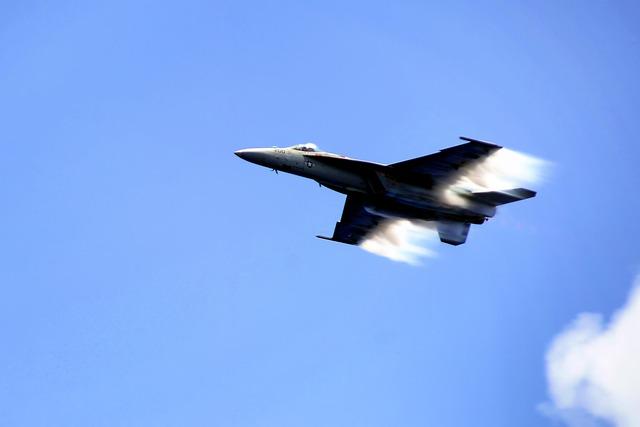
In a striking demonstration of escalating geopolitical tensions, U.S. fighter jets have been deployed to monitor Russian warplanes operating near Alaska, amidst a backdrop of heightened NATO-Russia relations. As nations grapple with renewed assertiveness from the Kremlin, military might is being showcased on both sides of the Atlantic. This article delves into the recent incidents involving U.S. aircraft, the strategic significance of the Arctic region, and the implications of these developments for international security and diplomacy. With the stakes higher than ever, understanding this complex dynamic is crucial as the world watches closely for signs of a potential shift in the status quo.
U.S. Air Force Response to Increased Russian Activity Near Alaska
In response to a notable uptick in Russian military activity near Alaska, the U.S. Air Force has amplified its aerial surveillance and intercept operations. Recently, American fighter jets have been deployed to monitor and engage Russian warplanes that have entered the airspace near the Aleutian Islands. This proactive strategy aims to ensure the integrity of U.S. airspace and strengthen regional security in light of rising tensions within NATO and Eastern Europe. The increased presence of Russian aircraft poses a potential threat, and officials are committed to maintaining a robust defensive posture to mitigate risks.
Analysts suggest that the recent maneuvers underscore an ongoing strategic struggle between the U.S. and Russia, emphasizing the necessity for vigilant monitoring of air activity in the Arctic. Key elements of the current response strategy include:
- Enhanced Surveillance: Utilizing advanced radar and satellite systems to track near-real-time movements of Russian military assets.
- Increased Intercept Missions: Deploying additional sorties to ensure quick response capabilities in case of potential incursions.
- Allied Coordination: Collaborating with NATO partners to share intelligence and enhance collective security measures.
These strategic efforts are indicative of a broader commitment to safeguard U.S. interests and maintain stability in the Arctic region amidst evolving geopolitical challenges.
Implications for NATO Relations in the Face of Rising Tensions
The recent interception of Russian warplanes by U.S. fighter jets near Alaska underscores the growing unease between NATO and Russia, prompting urgent discussions among member states about their collective security strategies. As tensions escalate, the implications for NATO relationships are profound. Enhanced military readiness and increased surveillance operations are essential steps that NATO must adopt to ensure a rapid response to any potential incursions. Furthermore, these incidents serve as a stark reminder of the necessity for unity among member states, particularly in light of the diverse levels of threat perception and military capability within the alliance.
In the wake of these developments, several key factors could shape NATO’s future interactions with Russia:
- Strengthened Cooperation: Increased collaboration among NATO allies to bolster collective defense measures.
- Intelligence Sharing: Enhanced sharing of intelligence regarding Russian military movements to improve situational awareness.
- Strategic Communication: A unified narrative to deter Russian provocations while promoting dialogue where possible.
Countries that border Russia may feel particularly vulnerable, leading them to advocate for more robust NATO support. This dynamic could lead to a reevaluation of defense spending and military exercises across Europe, fostering a more integrated and responsive alliance capable of adapting to the shifting geopolitical landscape.
Strategic Recommendations for Strengthening U.S. Air Defense Operations
To enhance the effectiveness of U.S. air defense operations in light of escalating tensions with Russia, a multifaceted approach is necessary. Initiatives should include the bolstering of technological capabilities through the integration of advanced radar systems and artificial intelligence to predict and track aerial threats in real-time. This strategy could involve:
- Investing in next-generation fighter jets with superior stealth and interception capabilities.
- Enhancing existing early-warning systems to provide more comprehensive coverage of potential incursions.
- Conducting regular joint exercises with NATO allies to improve interoperability and response times.
Additionally, it is crucial to engage in strategic partnerships that extend beyond mere military alliances. Establishing intelligence-sharing frameworks and collaborative defense programs can amplify the efficacy of air defense systems. Key recommendations include:
- Creating bilateral defense pacts that focus on information exchange regarding airspace incursions.
- Investing in cyber defense capabilities to protect air defense infrastructure from potential sabotage.
- Promoting regional defense dialogues to address mutual concerns and align military tactics among allies.
Wrapping Up
In the context of rising geopolitical tensions and increasing military maneuvers, the recent deployment of U.S. fighter jets to monitor Russian warplanes near Alaska underscores the complexities within the NATO-Russia relationship. As both sides navigate this delicate landscape, the importance of clear communication and strategic preparedness remains paramount. Understanding the implications of these military activities is essential for grasping the broader dynamics at play in international relations today. As the situation evolves, it is crucial for policymakers and analysts alike to remain vigilant and engaged, ensuring that peace and stability prevail amidst growing tensions. For now, the skies above Alaska serve as a critical reminder of the intricate interplay between national security, diplomacy, and the ever-changing landscape of global power.









