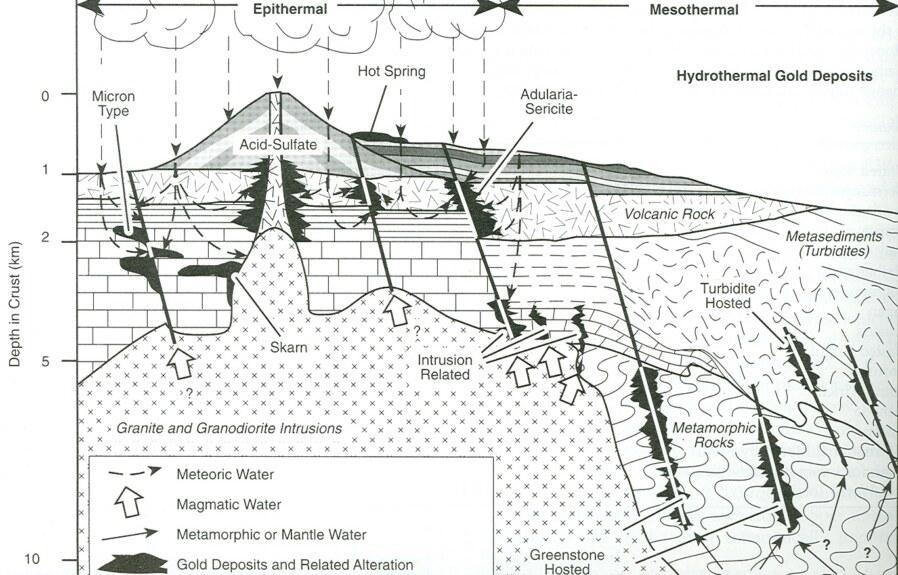
In a groundbreaking development for geologists and gold enthusiasts alike, a newly released map has unveiled the locations of the largest gold deposits in the United States. Compiled by leading experts in mineral exploration, this comprehensive geographical representation highlights key regions rich in gold reserves, promising to reshape our understanding of domestic gold mining potential. As demand for gold surges in both investment and industrial sectors, understanding where these precious resources lie could have significant implications for the economy and the environment. This article delves into the details of this pivotal discovery, examining not only the geographical hotspots but also the historical and economic context of gold mining in the U.S. and the implications for future exploration and extraction efforts. Stay with us as we explore the fascinating landscape of America’s gold-rich terrains.
Largest Gold Deposits Uncovered Across the United States
The latest findings have unveiled a treasure trove of gold deposits scattered across the United States, prompting excitement among miners and investors alike. According to the newly released map, some of the most significant reserves are located in well-known states, while others might surprise you. The locations highlighted on this map indicate not just the sheer volume of gold available but also the historical context of these deposits, which have been pivotal to the local economies and industries for generations. Key states are leading the charge, with large concentrations found in:
- California: Renowned for the Gold Rush, continues to be a significant player.
- Alaska: Home to vast gold mines, its deposits remain largely untapped.
- Nevada: The top producer in the U.S., boasting some of the richest gold mines globally.
- Colorado: Historical sites remind us of its golden past, with new discoveries surfacing.
Exploring these regions not only reveals the potential for future mining operations but also sheds light on the complex relationship between natural resources and economic development. Infrastructure improvements and technological advancements are paving the way for better extraction methods, making previously unreachable deposits viable. Observing trends in gold prices, local legislation, and the environmental impact of mining will play a crucial role in shaping the future landscape of these discoveries. In tandem, gold is also increasingly seen as a hedge against inflation, further fueling interest among investors and prospectors.
| State | Estimated Gold Deposit (in tons) |
|---|---|
| California | 3,200 |
| Alaska | 2,500 |
| Nevada | 8,300 |
| Colorado | 1,700 |
Exploring Economic Opportunities in Gold Mining Regions
Recent advancements in mapping technology have unveiled extensive data on gold deposits throughout the United States, presenting a treasure trove of economic opportunities for communities located in mining regions. As local governments and businesses look to harness these resources, the potential for job creation, investment attraction, and infrastructure development is significant. Regions with large gold deposits are often poised for revitalization, offering promising avenues for both established mining companies and new investors eager to enter the market.
Collaboration between public and private sectors can further enhance economic growth. Strategies may include:
- Job Training Programs: Initiatives that equip the local workforce with necessary skills to operate in the mining industry.
- Sustainability Measures: Investing in environmentally-friendly mining practices to ensure long-term viability and community support.
- Tourism Development: Utilizing mining heritage as a foundation for tourism, attracting visitors interested in the region’s history and geology.
| State | Largest Deposit (in ounces) | Region |
|---|---|---|
| Alaska | 15 million | Fairbanks |
| California | 10 million | Sierra Nevada |
| Colorado | 9 million | Central Rockies |
Environmental Considerations for Sustainable Gold Extraction
The extraction of gold poses significant environmental challenges that must be addressed to ensure sustainability. As new maps reveal the vast locations of gold deposits across the U.S., the potential impacts on local ecosystems and communities become increasingly important. The following environmental considerations should be at the forefront of any mining operation:
- Water Usage: Gold mining often requires substantial amounts of water, which can lead to depletion of local water sources.
- Soil Erosion: Excavation and removal of vegetation can result in soil degradation, affecting agriculture and wildlife.
- Toxic Waste Management: The use of chemicals such as cyanide in extraction processes can lead to contamination of groundwater and surrounding habitats.
- Biodiversity Loss: Mining operations can disrupt local ecosystems, leading to habitat destruction and loss of species.
To mitigate these impacts, companies must adopt sustainable mining practices. These include:
| Practice | Description |
|---|---|
| Reclamation | Restoring mined land to its natural state post-extraction. |
| Water Recycling | Implementing systems to reuse water in mining processes. |
| Community Engagement | Involving local populations in decision-making to address their concerns. |
| Sustainable Technologies | Investing in eco-friendly extraction technologies to minimize environmental disruption. |
Final Thoughts
As the exploration of the American landscape continues, this newly unveiled map serves as a pivotal resource for both industry professionals and curious enthusiasts alike. By pinpointing the largest gold deposits across the United States, it not only sheds light on the nation’s rich geological heritage but also highlights the potential for economic growth and resource development in various regions. With the resurgence of interest in gold mining practices spurred by fluctuating market dynamics, this map could become a crucial tool in guiding future investment and exploration efforts. As technological innovations shape the mining landscape, stakeholders will undoubtedly keep a keen eye on these locations, ensuring that they are properly managed and sustainable for future generations. As we continue to uncover the earth’s hidden treasures, this pivotal mapping effort underscores the importance of responsible resource stewardship in the pursuit of prosperity.