
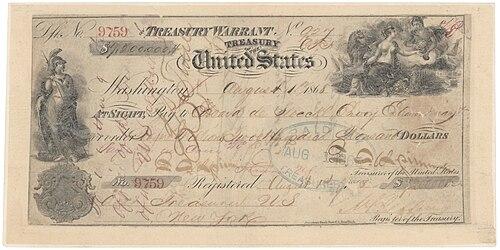
On This Day: U.S. Purchases Alaska from Russia
In a historic move that would reshape the geographical and political landscape of North America, the United States finalized the purchase of Alaska from Russia on March 30, 1867. This acquisition, often referred to as “Seward’s Folly” after Secretary of State William H. Seward, was met with skepticism at the time but has since been recognized as a monumental decision that paved the way for Alaska’s transformation into a vital part of the U.S. fabric. As we reflect on this pivotal moment in American history, we explore the circumstances surrounding the transaction, its immediate effects, and the long-term implications that continue to resonate in contemporary discussions about U.S. territory, resources, and national identity.
Understanding the Historical Significance of the Alaska Purchase
The acquisition of Alaska from Russia on March 30, 1867, stands as a pivotal moment in the narrative of U.S. expansionism and foreign policy. The purchase, often criticized at the time as “Seward’s Folly,” named after Secretary of State William H. Seward who championed the deal, ultimately transformed the geopolitical landscape of North America. At a cost of $7.2 million, the United States acquired over 586,000 square miles of land, which not only included vast natural resources but also played a crucial role in the strategic positioning against potential foreign adversaries to the north. This acquisition marked a bold step towards Manifest Destiny, reinforcing the nation’s commitment to territorial expansion and exploration of the continent’s frontiers.
The significance of the purchase was magnified in subsequent decades as the strategic resources found in Alaska began to emerge. From gold that spurred a rush in the late 1890s to oil discoveries in the mid-20th century, Alaska has proven to be rich in minerals and energy resources that are vital to the U.S. economy. Furthermore, the buyout paved the way for the establishment of the state as a crucial player in military defense during the Cold War, underscoring the importance of Alaska’s geographic position on the Arctic and Pacific fronts. As the U.S. navigates contemporary challenges related to climate change and international relations with Arctic nations, the historical importance of this acquisition continues to resonate, shaping policies and strategies well into the future.
Analyzing the Economic Impact of Acquiring Alaska
The acquisition of Alaska in 1867, often referred to as “Seward’s Folly,” initially sparked skepticism among the American public and politicians alike. However, the economic ramifications unfolded far beyond the initial $7.2 million price tag. The vast expanse of this territory, rich in natural resources, eventually revealed its true value, contributing significantly to the United States’ growth and industrialization. Key economic benefits resulting from the acquisition included:
- Natural Resources: Alaska is endowed with abundant resources including oil, natural gas, minerals, and timber.
- Fisheries: The state’s fisheries have become one of the nation’s largest and most vital economies.
- Tourism: Stunning landscapes and national parks have attracted millions of visitors, boosting local and national economies.
The economic impact of Alaska’s acquisition can be quantitatively highlighted through a comparison of pre- and post-acquisition revenue streams. The table below illustrates key exports from Alaska that have had a lasting impact on the national economy:
| Year | Oil Exports (Barrels) | Commercial Fishing Revenue (Million $) | Tourism Revenue (Million $) |
|---|---|---|---|
| 1867 | N/A | N/A | N/A |
| 2020 | 300 million | $1,500 | $2.8 billion |
| 2023 | 320 million | $1,700 | $3.0 billion |
Recommendations for Modern Reflection on Historic Treaties
In light of significant anniversaries like the U.S. acquisition of Alaska from Russia, it’s vital to reassess and reflect on historic treaties through a modern lens. This involves acknowledging the complex narratives intertwined with these agreements, especially concerning the Indigenous peoples affected by such transactions. Modern interpretations should consider:
- Historical Context: Understanding the geopolitical dynamics that prompted these treaties.
- Impact on Indigenous Communities: Recognizing how land ownership changed and its consequences on native populations.
- Environmental Considerations: Assessing how these purchases have led to ongoing ecological impacts.
The U.S. purchases, while often hailed as strategic triumphs, should be examined in terms of their legacy and lasting implications. Engaging in open dialogues about these treaties can foster a more inclusive narrative that respects historical complexities. A well-informed populace can drive forward three key initiatives:
| Initiative | Description |
|---|---|
| Educational Programs | Develop curricula that include Indigenous perspectives on historical treaties. |
| Public Forums | Host community events for discussing the historical and modern implications of treaties. |
| Policy Reevaluation | Advocate for policies that honor the original agreements made with Indigenous nations. |
Concluding Remarks
In conclusion, the acquisition of Alaska from Russia on this day in 1867 marked a pivotal moment in American history, reshaping the nation’s geographical and economic landscape. Often referred to as “Seward’s Folly,” the purchase was initially met with skepticism but would later reveal its immense value through natural resources and strategic advantages. Today, as we reflect on this significant event, we recognize Alaska not just as a state, but as a vital part of the fabric of the United States. The 1867 transaction remains a testament to the foresight of American leadership and the ongoing evolution of the nation’s territory. As we commemorate this historic milestone, we are reminded of the enduring impact such decisions can have on a nation’s growth and identity.











