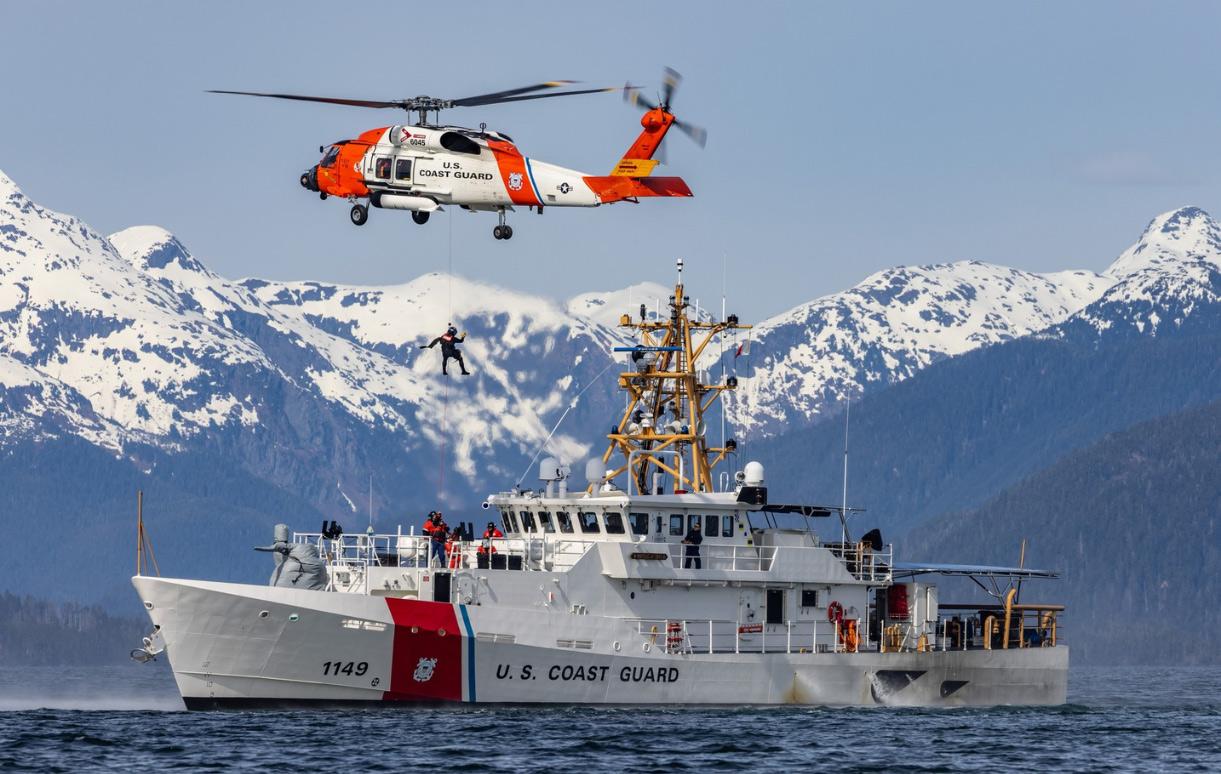
US Coast Guard Responds to Chinese Research Vessel on US Arctic Shelf
In a significant development underscoring the growing geopolitical tensions in the Arctic region, the United States Coast Guard has mobilized in response to the presence of a Chinese research vessel operating within the United States’ Arctic continental shelf. This incident highlights the increasing competition for access to vital maritime routes and natural resources in a rapidly changing polar landscape. As the Arctic continues to attract global interest due to its untapped reserves and strategic positioning, the actions taken by U.S. authorities serve as a reminder of the complex interplay between national sovereignty, environmental stewardship, and international relations in one of the world’s most fragile environments. As the story unfolds, experts and officials alike are weighing the implications of this encounter for U.S.-China relations and the future of Arctic governance.
US Coast Guard Intercepts Chinese Research Operations in Contested Arctic Waters
The recent escalation of tensions in the Arctic region has prompted a swift response from the US Coast Guard following the interception of a Chinese research vessel conducting operations within contested waters of the US Arctic shelf. The Coast Guard’s assets were deployed after surveillance identified the Chinese vessel engaging in what appeared to be scientific research-a move frequently viewed with suspicion given the strategic implications associated with resource exploration in this politically sensitive area. Authorities emphasized the importance of maintaining sovereignty over the US continental shelf and are closely monitoring similar incursions that may undermine national interests.
In a statement, Coast Guard officials outlined the key activities undertaken by the vessel prior to interception. These included:
- Collecting hydrographic data: Measurements aimed at mapping underwater terrain.
- Sampling marine life: Gathering biological specimens that could provide insights into biodiversity.
- Conducting atmospheric studies: Research intended to assess the impacts of climate change.
The Coast Guard is coordinating with other federal agencies to formulate a comprehensive strategy addressing such operations and reinforcing the legal framework that governs Arctic activities. This multifaceted approach aims to foster an environment of collaboration among Arctic nations while safeguarding US interests from unauthorized research efforts.
Strategic Implications of Foreign Research Activities on US Sovereignty and Security
The recent engagement between the US Coast Guard and a Chinese research vessel operating in the Arctic region highlights the growing concerns related to foreign research activities and their implications for national sovereignty and security. As countries like China enhance their presence in the Arctic, the need for vigilance in monitoring research endeavors becomes increasingly paramount. While scientific exploration can serve as a tool for cooperation, it can equally mask strategic interests that could undermine US sovereignty over its territorial waters and continental shelf. The Arctic, rich in natural resources, is not only a hotspot for climate change research but also an arena for geopolitical rivalries.
Moreover, the potential for dual-use technologies stemming from foreign research activities poses significant security risks. The collection of environmental data, maritime traffic information, and mineral exploration results can further enable adversaries to seize strategic advantages. It’s essential for the US to establish clear guidelines and protocols to identify which types of research are beneficial and acceptable within its waters. Additionally, fostering international collaborations focused on transparency and mutual benefit may assist in balancing national interests while preventing the encroachment of foreign influence in critical areas. Effective management and oversight will be crucial to safeguard both sovereignty and security in this evolving frontier.
Recommendations for Enhanced Monitoring and Collaboration in Arctic Navigation
The recent encounter between the US Coast Guard and a Chinese research vessel operating in the Arctic highlights the pressing need for improved monitoring and collaboration in this strategically vital region. As maritime traffic increases in the Arctic due to climate change, enhanced surveillance measures should be considered essential. Effective strategies may include:
- Utilizing cutting-edge satellite technology for real-time tracking of vessels and environmental conditions.
- Establishing joint task forces composed of member states to coordinate response efforts and share intelligence on maritime activities.
- Implementing regular training exercises to prepare for potential emergencies and improve inter-agency communication.
Additionally, fostering partnerships with emerging Arctic stakeholders can strengthen collective knowledge and operational readiness. Engaging local communities, indigenous groups, and private sector stakeholders will ensure diverse perspectives are considered, enhancing situational awareness. A cooperative framework could be established through:
- Creating a centralized database for Arctic navigation data accessible to all stakeholders.
- Facilitating an annual summit for Arctic nations to discuss environmental policies, navigation safety, and resource management.
- Encouraging transparent communication among nations operating in Arctic waters to address concerns and share best practices.
Concluding Remarks
In conclusion, the recent engagement of the US Coast Guard with a Chinese research vessel operating within the Arctic shelf underscores the growing tensions in the region as nations vie for influence and access to vital resources. This incident not only highlights the strategic importance of the Arctic but also raises questions about international maritime law and the future of cooperation in an area increasingly marked by competition. As climate change continues to open new pathways in these frigid waters, the role of the Coast Guard and other national maritime agencies will be crucial in safeguarding territorial integrity and ensuring environmental stewardship. Moving forward, the global community will be watching closely as Arctic dynamics evolve, marking a pivotal moment in geopolitics and environmental conservation in one of the world’s most fragile ecosystems.