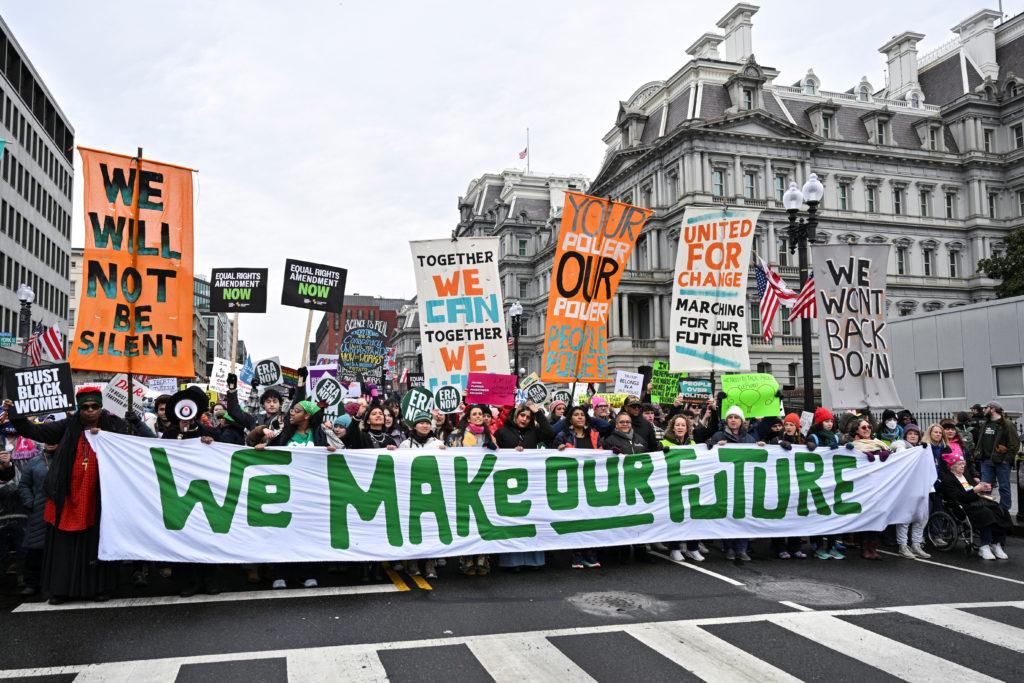
Tensions surrounding U.S. military actions in Iran escalated on Thursday as protesters gathered at the Arizona State Capitol to voice their concerns over a potential strike by the U.S. government. Organizers, representing a diverse coalition of community groups and activists, emphasized their call for peace and dialogue rather than military intervention. The rally drew a crowd of fervent supporters, who held signs and chanted slogans advocating for diplomacy and an end to perpetual conflict. This demonstration comes amidst rising fears about the implications of U.S. foreign policy in the Middle East, as citizens across the nation grapple with the potential consequences of military escalation. With calls for action reverberating in state capitals and Washington, advocates urge lawmakers to prioritize diplomatic solutions over combat measures.
Protestors Voice Opposition at Arizona Capitol Amid Rising Tensions with Iran
In a passionate display of dissent, hundreds of protestors gathered at the Arizona Capitol today, voicing their concerns regarding the potential for a military strike against Iran. Participants held signs emblazoned with messages such as “No War with Iran!” and “Diplomacy, Not Destruction!”, reflecting a growing unease among the public about escalating tensions between the U.S. and Iran. The rally was organized by a coalition of peace advocacy groups, who emphasized the importance of dialogue over conflict. Speakers at the event urged lawmakers to consider the humanitarian implications of military action, underscoring that diplomacy is vital for achieving long-term stability in the region.
The protest came on the heels of increasing geopolitical tensions, with several key figures in the legislature being called to take a stand against any aggressive measures. In light of these events, local representatives were urged to acknowledge the voices of their constituents through various means, including:
- Public Statements: Encouraging officials to openly declare their stance on military intervention.
- Community Dialogues: Initiating town halls focused on international relations and conflict resolution.
- Petition Campaigns: Mobilizing constituents to participate in grassroots efforts aimed at influencing policy.
Local activist groups have vowed to continue their push for peaceful solutions, stressing that the potential consequences of military action are too great to ignore. As the nation grapples with its foreign policy direction, the voices at the Arizona Capitol serve as a reminder of the critical role public sentiment plays in democratic discourse.
Community Leaders Urge Diplomatic Solutions to Avoid Military Conflict
Under the glaring sun at the Arizona Capitol, community leaders gathered to express their profound concerns over the looming threat of military action against Iran. With placards raised high, demonstrators chanted slogans advocating for peaceful negotiations rather than military intervention. Local activists emphasized that the repercussions of a potential strike could extend far beyond international borders, affecting everyday lives right here in Arizona. They argued that fostering dialogue and understanding are crucial steps toward achieving lasting peace and stability in the region.
Among the central themes highlighted during the rally was the call for government officials to prioritize diplomatic channels. Key demands from the protestors included:
- Adopting measures that promote peaceful resolution of ongoing disputes.
- Enhancing diplomatic efforts to ensure that all voices, particularly those from marginalized communities, are heard in negotiations.
- Increased investment in conflict resolution and peacebuilding initiatives to prevent future crises.
Community leaders are calling on state and national representatives to heed these warnings and work collaboratively with international partners, thereby embracing a path that rejects conflict in favor of compromise and cooperation.
Calls for Peaceful Advocacy Highlight Diverse Perspectives Among Arizona Residents
As tensions rise globally, diverse voices within Arizona are calling for a peaceful approach to the looming possibility of military action against Iran. Protestors gathered at the Arizona Capitol, each bringing personal stories that reflect a mosaic of experiences and beliefs. Many participants emphasized the urgency of dialogue over aggression, underscoring the devastating impacts that conflict could have on innocent lives. Some key points resonated throughout the rally:
- Family Ties: Several individuals highlighted their connections to friends and relatives in Iran, expressing deep concern for their safety amidst escalating rhetoric.
- Community Solidarity: Local activists showcased a united front, demonstrating the importance of solidarity among diverse cultural backgrounds in advocating for peace.
- Call for Engagement: Speakers urged local leaders to prioritize diplomatic discussions, emphasizing that constructive engagement is essential for long-term security.
Moreover, community organizations provided a platform for residents to articulate their feelings about the situation. An informal poll conducted during the event revealed varying perspectives on how Arizona should respond to international conflicts. The results, displayed in the following table, showcase a striking range of opinions:
| Response | Percentage |
|---|---|
| Support Diplomatic Solutions | 68% |
| Support Military Intervention | 15% |
| Undecided | 17% |
This gathering not only highlighted the concerns regarding potential U.S. military action but also illustrated the importance of listening to marginalized voices in the dialogue. Advocates argue that peaceful advocacy is not merely a stance against war but a proactive approach to building understanding and fostering connections that transcend borders.
Concluding Remarks
In summary, the rally at the Arizona Capitol brought together a diverse coalition of individuals united by their fears and concerns over the potential repercussions of a U.S. military strike on Iran. As demonstrators chanted for peace and voiced their opposition to escalating military conflict, they underscored the broader national and global implications of such actions. The gathering not only highlighted the anxiety surrounding U.S. foreign policy but also served as a reminder of the power of grassroots activism. As the situation in Iran evolves, it remains crucial for citizens to stay engaged, informed, and vocal about their views on matters that profoundly affect both domestic and international peace. As this story develops, we will continue to monitor the situation and provide updates on the ongoing dialogue surrounding America’s role in the region.