
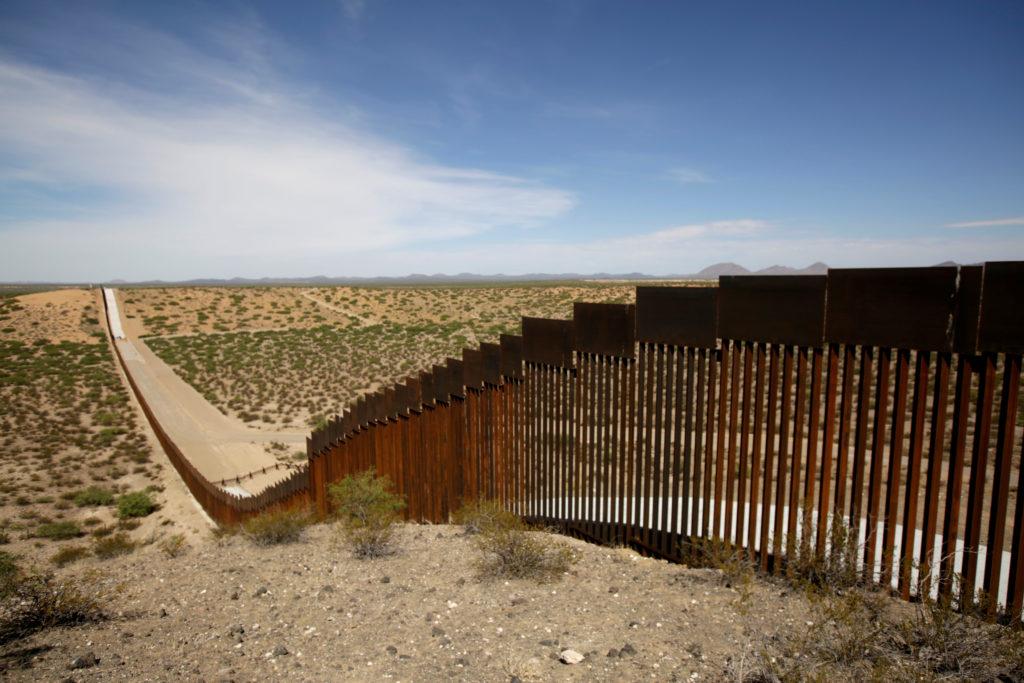
In a landscape marked by both natural beauty and complex socio-political challenges, the border wall separating the United States and Mexico looms large in Arizona. As the ongoing debate over immigration and border security intensifies, the structure has become a focal point for discussions surrounding national policy, community impact, and environmental consequences. This article delves into the current state of the border wall in Arizona, examining its implications for the region’s residents, wildlife, and the broader dialogue on immigration reform. Through a combination of on-the-ground reporting and expert analysis, we uncover the multifaceted issues at play as Arizona grapples with the realities of its border with Mexico.
Border Wall Impact on Arizona Communities and Economy
The construction of the border wall in Arizona has created a complex tapestry of effects on local communities. Residents across both sides of the border have experienced increased tensions and a profound sense of division. The wall has obstructed traditional social and familial ties, as families are often separated by the barrier. Furthermore, these communities have noted a significant shift in daily life, including enhanced security measures and increased law enforcement presence. The border wall not only symbolizes physical separation but also a broader impact on cultural dynamics.
From an economic standpoint, the existence of the wall presents both challenges and opportunities for Arizona. Local businesses, especially those dependent on cross-border trade, have faced economic uncertainty due to restrictions on movement. Many small enterprises reported a decline in customer foot traffic and revenue, emphasizing the wall’s toll on economic vitality. Conversely, some sectors, such as construction and security services, have seen a boost due to increased investment in border infrastructure. The balancing act of economic benefit against social cost will continue to define the region’s future.
| Impact | Description |
|---|---|
| Community Division | Families and friends separated by the border barrier. |
| Economic Challenges | Reduced foot traffic affecting local businesses. |
| Increased Tensions | Heightened law enforcement presence and security measures. |
| Construction Opportunities | Job creation in construction and security sectors. |
Environmental Concerns Surrounding the Arizona Border Wall
The construction of the border wall in Arizona has raised significant environmental concerns among various stakeholders, including conservationists, local communities, and indigenous groups. The wall’s design and implementation threaten to disrupt numerous habitats along the border, including vital ecosystems that support diverse wildlife. Key ecological impacts include:
- Habitat Fragmentation: The wall divides delicate habitats, hindering the movement and migration of species such as the jaguar and Sonoran desert tortoise.
- Waterway Obstruction: Rivers and streams may be obstructed, affecting the natural flow and potentially leading to water scarcity in the region.
- Increased Pollution: Construction and maintenance activities may introduce harmful pollutants into the surrounding environments.
Local indigenous communities have also voiced their concerns, emphasizing the cultural significance of these lands. The wall not only encroaches upon sacred areas but also limits their access to traditional practices and resources. Issues faced by local tribes include:
- Loss of Historical Sites: Archaeological sites may be buried or destroyed during construction, erasing landmarks of cultural heritage.
- Diminished Access to Natural Resources: The wall restricts the ability to gather traditional plants and conduct rituals in native landscapes.
- Environmental Justice: The disproportionate impact on low-income and marginalized communities raises concerns over equitable treatment in environmental policies.
Policy Recommendations for a Balanced Approach to Border Security and Community Relations
To foster a sustainable framework for border security that respects both national integrity and community stability, policymakers should consider adopting a multi-faceted approach that integrates security measures with local engagement initiatives. Key recommendations include:
- Increased Funding for Community Programs: Allocate resources to programs that address root causes of migration, enhancing economic opportunities in border regions.
- Collaborative Law Enforcement: Establish partnerships between federal, state, and local authorities to create unified strategies for border security that prioritize community safety.
- Regular Community Forums: Organize meetings between border security agencies and local residents to address concerns, share information, and build mutual trust.
Moreover, comprehensive training for border patrol agents on cultural sensitivity and community relations can significantly improve interactions with local populations. To better assess the impact of these strategies, monitoring metrics should be implemented. A suggested framework might include:
| Metric | Action | Frequency |
|---|---|---|
| Community Engagement Levels | Surveys and Feedback | Quarterly |
| Incidents of Cross-border Crime | Data Analysis | Monthly |
| Public Perception Ratings | Community Polls | Bi-Annual |
The Way Forward
In conclusion, the border wall remains a symbol of the ongoing debate surrounding immigration, security, and human rights along the U.S.-Mexico border, particularly in Arizona. As tensions continue to simmer, the wall not only serves as a physical barrier but also as a focal point for discussions about policy, community safety, and the lives impacted on both sides. Stakeholders from various perspectives will undoubtedly continue to navigate the complexities surrounding this contentious issue. As developments unfold, the implications for border communities, law enforcement, and national policy will be closely watched, showcasing the intricate interplay of local and national interests in shaping the future of the region. For now, the wall stands-a stark reminder of the challenges and divisions that persist in the pursuit of a comprehensive immigration solution.











