
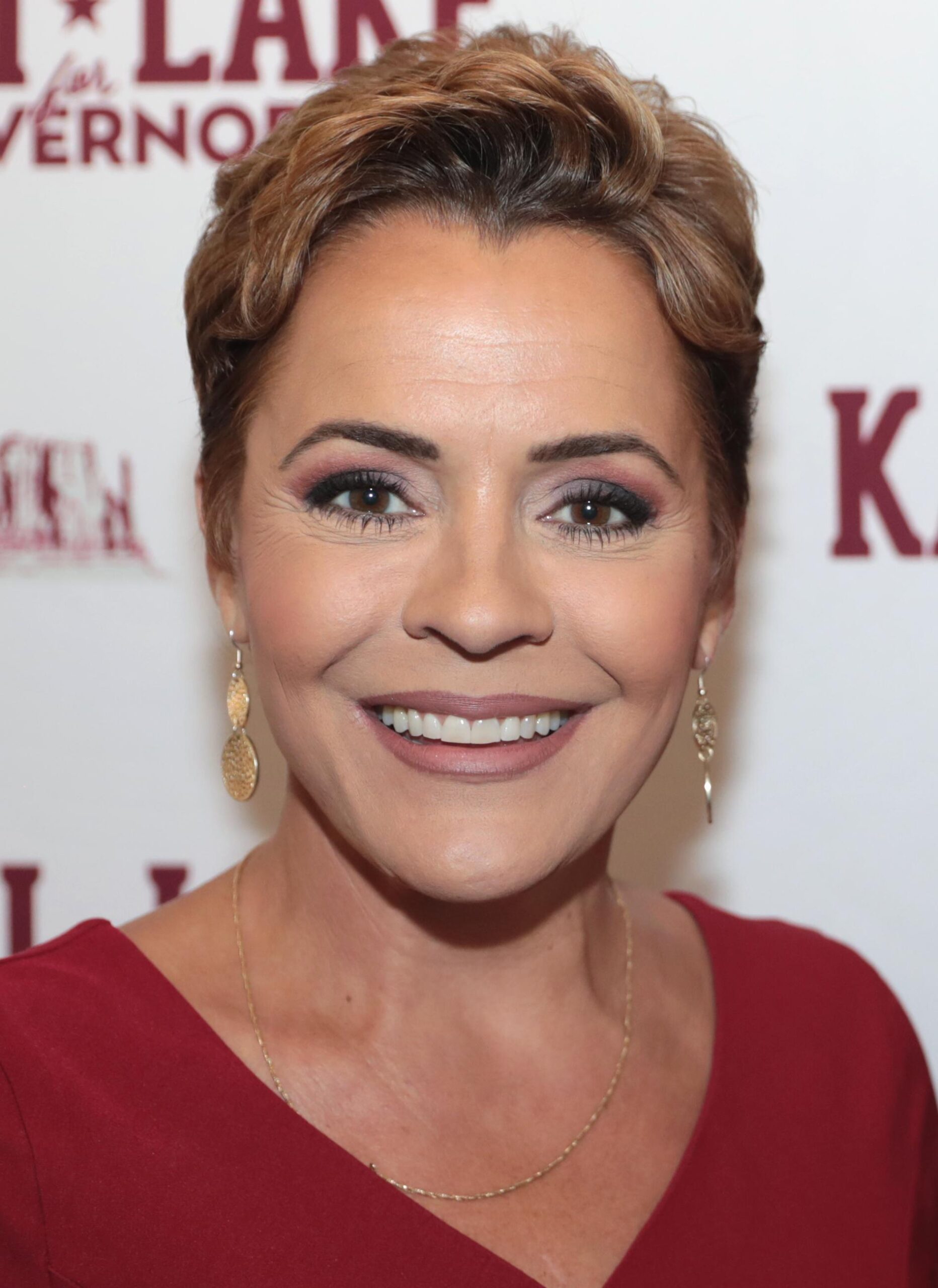
In a surprising turn of events, Kari Lake, the former television news anchor and two-time Republican candidate for governor of Arizona, has been appointed to lead Voice of America (VOA). This development follows her unsuccessful bids in the last two elections, a journey that has seen her emerge as a prominent and polarizing figure in Arizona politics. As she takes the helm of the international news organization, Lake’s appointment raises questions about the intersection of media, politics, and public trust in an era marked by deep partisan divides. With a focus on expanding VOA’s outreach and influence, Lake’s leadership will be closely scrutinized, both for its potential impact on the organization’s mission and the broader implications for journalism in the current political landscape.
Kari Lake’s New Role: Challenges and Opportunities as Voice of America Leader
Kari Lake’s recent appointment as the head of Voice of America presents both formidable challenges and exciting opportunities. As a prominent figure in Arizona politics, her transition from a high-profile gubernatorial candidate to the leader of a key international broadcasting service signals a pivotal shift not only in her career but also in the mission of the agency itself. Navigating the complexities of a diverse media platform that serves to inform global audiences will require her to leverage her experience in political communication while addressing criticisms of bias and misinformation often associated with media outlets. This role will necessitate a strategic approach, focusing on maintaining impartiality and fostering trust with listeners around the world.
Moreover, Lake’s leadership comes at a time when Voice of America faces competitive pressure from both domestic and international media landscapes. To thrive, her administration may consider implementing innovative initiatives, including:
- Enhancing digital presence: Expanding online platforms to reach younger audiences
- Strengthening local partnerships: Collaborating with foreign correspondents for localized content
- Promoting diverse voices: Ensuring representation across various cultures and languages
Ensuring that these initiatives align with the foundational goals of providing accurate and unbiased reporting will be critical for Lake as she navigates her new responsibilities. The outcomes of her tenure could redefine the relevance of Voice of America in an increasingly polarized media environment.
Implications for Arizona’s Political Landscape Under Lake’s Leadership
Kari Lake’s ascension as the leader of Voice of America marks a pivotal moment in Arizona’s political dynamics. Her previous candidacies for governor and Senate, despite not yielding victory, have solidified her presence in the political arena. As she now takes the helm of a significant media organization, it opens several avenues for influencing public discourse in Arizona. This shift is likely to affect the messaging landscape, creating potential ripple effects for both local and national narratives.
| Potential Impacts | Description |
|---|---|
| Media Influence | Lake’s leadership may skew narratives favoring her political affiliations. |
| Voter Engagement | Increased outreach may mobilize her base, impacting future elections. |
| Policy Advocacy | A platform for promoting conservative policies and viewpoints. |
With Lake at the forefront, a renewed focus on conservative messaging in media can be anticipated, potentially polarizing public opinion further. Her approach to storytelling and the framing of political issues may resonate strongly with certain demographics, perhaps redefining what it means to engage with Arizona’s electorate. This development could lead to greater mobilization of her supporters and a more hardened opposition, setting the stage for contentious political battles in the upcoming election cycles.
Strategies for Enhancing Media Outreach and Credibility at Voice of America
Under the new leadership of Kari Lake, Voice of America (VOA) stands at a pivotal moment to bolster its media outreach and enhance its credibility. Implementing a strategic framework that focuses on community engagement, transparency, and innovative storytelling will be essential. Key strategies may include:
- Amplifying Local Voices: Hiring correspondents who genuinely reflect the demographics and concerns of local communities can help create content that resonates with audiences.
- Utilizing Social Media: Engaging audiences through popular social media platforms to share multimedia stories can increase reach and foster a two-way dialogue.
- Transparency Initiatives: Regularly publishing reports on editorial standards and decision-making processes will enhance trust and credibility among viewers.
- Collaborative Partnerships: Establishing partnerships with local media outlets can extend VOA’s reach and strengthen its network.
To measure the effectiveness of these strategies, VOA could implement an evaluation framework that tracks engagement metrics and community feedback. A potential oversight strategy could include a periodic credibility scorecard to assess public perception, which might consist of:
| Strategy | Metric | Target Score |
|---|---|---|
| Local Voice Representation | Community Engagement Rate | 75% |
| Social Media Interaction | Shares and Comments | 5000/month |
| Transparency Reports | Public Trust Index | 80% |
| Partnership Initiatives | Collaborative Projects | 10/year |
Key Takeaways
In conclusion, Kari Lake’s appointment to lead Voice of America marks a notable shift in media leadership within the context of her recent electoral challenges in Arizona. As Lake steps into this influential role, her unique perspective as a former gubernatorial candidate may bring fresh insights to the organization. This transition raises questions about the intersection of politics and media, particularly in a landscape increasingly characterized by polarized views. As Voice of America aims to maintain its commitment to unbiased reporting, observers will be keen to see how Lake’s leadership influences the outlet’s direction and coverage, especially within the ongoing debates surrounding information dissemination in the digital age. The implications of this decision will undoubtedly reverberate beyond Arizona, as it highlights the evolving narrative of media and politics in America.











