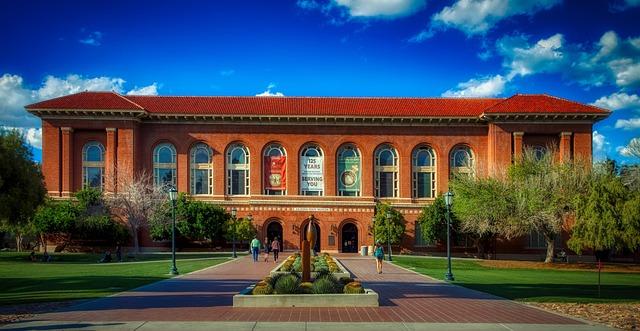
In a significant development within higher education’s response to political discourse, the University of Arizona has officially become the seventh U.S. institution to reject a controversial “compact” proposed by former President Donald Trump aimed at influencing university policies and curriculum. The decision, approved by the university’s governing body, reflects a growing trend among colleges to assert their autonomy in matters of free speech and academic integrity. This move comes amidst increasing scrutiny of higher education’s role in fostering diverse viewpoints and academic freedom, drawing attention to the ongoing debate surrounding political influence in academic settings. As universities across the nation grapple with these issues, the University of Arizona’s stance marks a pivotal moment in the ongoing dialogue about the intersection of education and politics.
University of Arizona Joins Growing Movement Against Trump’s Compact
The University of Arizona has officially joined the ranks of institutions rejecting the controversial compact proposed by former President Donald Trump, which aims to reshape federal funding mechanisms for higher education. This decision places the university among a growing coalition of six other colleges and universities that have voiced their opposition to the compact, asserting that it undermines the values of academic freedom and inclusive education. By taking this stand, the University of Arizona reinforces its commitment to fostering a diverse and equitable academic environment, free from political interference.
As backlash against the compact continues to swell, supporters of the university’s decision highlight several critical points, including:
- Academic Independence: The compact is perceived as a threat to the autonomy of educational institutions.
- Promotion of Diversity: Opponents argue that the compact favors certain ideologies over others, stifling diverse viewpoints.
- Funding Implications: Concerns over how the compact could impact federal funding for critical educational programs.
In light of these factors, the University of Arizona’s administration emphasizes that the move aligns with their core mission to ensure a fair educational landscape for all students, indicating a potential trend for further institutional refusals should the compact gain traction.
Implications for Academic Freedom and Institutional Autonomy
The University of Arizona’s decision to reject former President Trump’s “compact” underscores a significant moment in the ongoing dialogue surrounding academic freedom and the autonomy of higher education institutions. By taking a stand, the university joins a growing list of institutions asserting their independence from political pressures that seek to define the boundaries of academic inquiry and expression. This rejection raises several important considerations regarding the balance of academic integrity and societal influence:
- Intellectual Independence: Universities must maintain the ability to explore ideas freely, without succumbing to external political agendas that may seek to distort educational missions.
- Political Neutrality: Academic institutions have a responsibility to uphold neutrality in political contexts, ensuring a diversity of viewpoints within educational frameworks.
- Reputation and Enrollment: In a climate where institutional decisions impact public perception, autonomy can influence student applications and funding opportunities, paramount for maintaining institutional viability.
Moreover, the implications of this stance may resonate beyond the immediate community of the University of Arizona. It could potentially embolden other institutions to resist similar pressures, fostering a national trend towards safeguarding academic environments focused on critical thought and open dialogue. The following table highlights recent colleges that have made similar moves in rejecting the compact:
| University | Decision Date | Impact Statement |
|---|---|---|
| University of Arizona | October 2023 | Reaffirming commitment to academic autonomy. |
| University of California System | September 2023 | Emphasis on free speech and inquiry. |
| New York University | August 2023 | Condemnation of political meddling. |
| University of Michigan | July 2023 | Support for diverse ideas in academia. |
Navigating the Future: Recommendations for Colleges Facing Political Pressures
Amid rising political tensions and pressures, it is crucial for colleges and universities to adopt strategic measures that support academic freedom while fostering a climate of inclusivity. Institutions should consider the following recommendations:
- Enhance Dialogue: Create platforms for open discussions that allow students, faculty, and stakeholders to express differing views without fear of retribution.
- Implement Robust Policies: Develop clear policies that protect free speech while ensuring an environment free from hate speech and discrimination.
- Foster Community Engagement: Engage with local communities to better understand their concerns and interests, thus building a solid foundation for collaborative initiatives.
Furthermore, colleges should remain vigilant against external pressures that seek to undermine their academic missions. Establishing a proactive approach can help institutions navigate the complexities of modern political landscapes:
- Build Alliances: Form partnerships with like-minded institutions to amplify collective voices supporting academic integrity.
- Focus on Transparency: Regularly communicate institutional decisions and the rationale behind them to foster trust among all stakeholders.
- Empower Leadership: Train leaders within the academic community to handle political challenges effectively while maintaining institutional values.
| Key Strategies | Expected Outcomes |
|---|---|
| Open Dialogue Sessions | Improved understanding and cooperation among various groups |
| Policy Development Workshops | Stronger protections for free speech and academic freedom |
| Community Collaboration Projects | Enhanced reputation and support within the local area |
Closing Remarks
In conclusion, the University of Arizona’s decision to reject President Trump’s “Campus Compact for Emotional Freedom” marks a significant moment in the ongoing debate over free speech and student rights on college campuses. As the seventh institution to take this stance, the university joins a growing chorus of voices advocating for a balanced approach to discourse in academic environments. While proponents of the compact argue it would safeguard emotional well-being, critics warn it may stifle divergent viewpoints. As this discussion evolves, the implications of such policies will undoubtedly resonate across higher education, prompting other institutions to re-evaluate their commitments to free expression and inclusivity. With a landscape increasingly influenced by political considerations, the University of Arizona’s choice signals a conscientious effort to protect the integrity of academic freedom, setting a precedent for other colleges and universities nationwide.