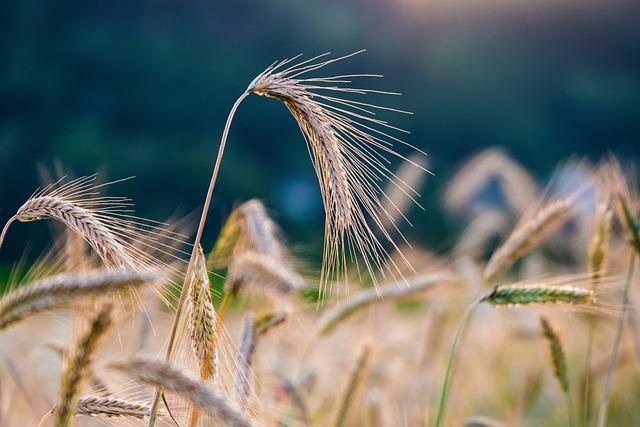
In a significant development highlighting agricultural collaboration on the global stage, Arkansas Governor Sarah Huckabee Sanders announced on Thursday a landmark crop agreement with Taiwan, projected to yield an impressive $5.56 billion over the next few years. The deal aims to bolster the state’s agricultural sector while enhancing Taiwan’s food security and sourcing capabilities. This partnership marks a strategic effort to strengthen economic ties between the two regions, fostering mutual benefits in agricultural trade. As Arkansas continues to position itself as a leader in agriculture, this agreement signals a commitment to innovation, sustainability, and global outreach in the agricultural sector. Details of the deal and its implications for both parties are expected to be discussed in upcoming forums, as stakeholders from both regions prepare for a productive collaboration.
Arkansas-Taiwan Crop Deal Represents Significant Economic Opportunity
The recent agreement between Arkansas and Taiwan, valued at an impressive $5.56 billion, signals a new era of economic growth for both regions. This landmark crop deal is set to enhance agricultural exports and promote bilateral trade, offering vast potential for local farmers and businesses. With Taiwan as a key player in the global economy, this partnership allows Arkansas to tap into new markets, thereby diversifying its agricultural output while strengthening economic ties with international markets.
Key benefits of this strategic alliance include:
- Increased Revenue: The crop deal is expected to significantly boost the income of Arkansas farmers.
- Job Creation: An influx of investment and trade activities will likely lead to new employment opportunities within the agriculture sector.
- Technological Collaboration: The partnership could foster advancements in agricultural practices through collaboration with Taiwanese technology firms.
| Aspect | Details |
|---|---|
| Deal Value | $5.56 billion |
| Primary Crops | Rice, Soybeans, Poultry |
| Expected Outcomes | Job Growth, Increased Exports |
Governor Sanders Highlights Strategic Agricultural Partnerships
In a groundbreaking announcement that promises to elevate Arkansas’s agricultural sector, Governor Sarah Sanders revealed a monumental crop deal with Taiwan valued at $5.56 billion. This strategic partnership aims to bolster trade relations between the two regions, enhancing Arkansas’s position as a key player in global agriculture. The agreement is expected to foster innovation, improve sustainability practices, and expand market access for local farmers, allowing them to reach international consumers more effectively. Various stakeholders, including farmers, agricultural cooperatives, and state officials, participated in discussions that led to this significant alliance.
As part of this initiative, the governor emphasized several potential benefits for Arkansas, including:
- Job Creation: The deal is anticipated to generate thousands of jobs in the agricultural sector.
- Technological Advancements: Collaborations may lead to the sharing of cutting-edge farming technologies and practices.
- Sustainable Practices: A focus on environmentally-friendly methods to safeguard local ecosystems.
- Diverse Crop Opportunities: Expanding the variety of crops grown in Arkansas to meet international demand.
| Key Crop Commodities | Projected Revenue Impact |
|---|---|
| Corn | $2 Billion |
| Soybeans | $1.5 Billion |
| Rice | $1 Billion |
| Poultry | $1 Billion |
Recommendations for Maximizing Benefits from the $5.56 Billion Agreement
To fully leverage the opportunities presented by the recent $5.56 billion crop agreement between Arkansas and Taiwan, stakeholders must prioritize strategic collaboration and innovation. Farmers and agricultural experts should consider implementing advanced farming technologies that enhance yield while maintaining sustainable practices. Suggestions for maximizing benefits include:
- Adopting precision agriculture techniques to monitor crop health and optimize resource use.
- Building partnerships with technology providers to access the latest innovations in farming.
- Engaging in regular training programs to keep abreast of best practices in agronomy.
Furthermore, tapping into the international market requires effective communication and relationship-building efforts. Farmers and agribusinesses should stay proactive in participating in trade missions and networking events. Some key strategies to consider are:
- Developing a clear value proposition that highlights the quality of Arkansas crops.
- Utilizing social media platforms to showcase products and engage potential Taiwanese buyers.
- Establishing a feedback loop with Taiwanese partners to refine product offerings based on local preferences.
In Summary
In conclusion, the landmark $5.56 billion agricultural partnership between Arkansas and Taiwan represents a significant step forward in bolstering economic ties and enhancing food security in both regions. Governor Sarah Huckabee Sanders’ announcement underscores the importance of collaboration in the agricultural sector, promising to bring innovative practices and increased market access for Arkansas farmers. As both parties move toward the implementation of this deal, the potential benefits could ripple through local economies, showcasing the vital role of international partnerships in addressing global agricultural challenges. As we continue to monitor the progress of this agreement, the agricultural community will be watching closely to see how this ambitious venture unfolds and impacts future trade relations.