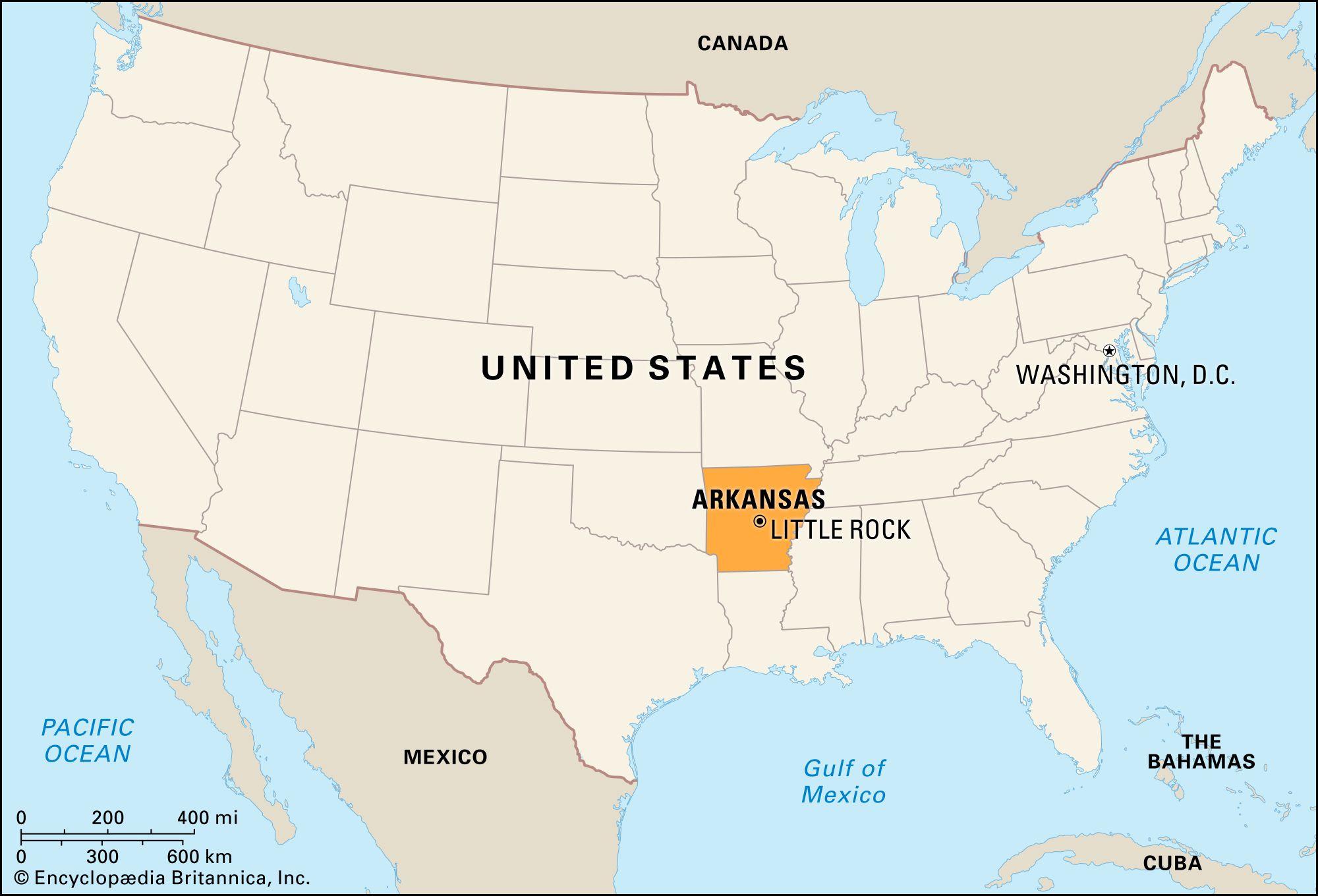
Arkansas’ New Law on Online Adult Content: A Double-Edged Sword
In a pivotal legislative development, Arkansas is set to introduce a law mandating identity verification for individuals seeking access to adult content online. This initiative has ignited fervent discussions among advocates of privacy and free speech, as it aims to shield minors from exposure to explicit material through enforced age verification protocols. As lawmakers in Arkansas navigate the complexities of digital safety alongside individual rights, this situation raises essential questions about the balance between technology, personal privacy, and government regulation. This article explores the intricacies of the proposed legislation, its potential consequences, and its broader significance for online content governance across the United States.
Mandatory Age Verification in Arkansas: Legislative Overview
The proposed legislation in Arkansas has generated considerable debate regarding its implications for internet users.Advocates assert that implementing age verification is crucial for safeguarding minors from inappropriate content by establishing a reliable identification system prior to accessing such materials. They contend that this could considerably diminish instances where young individuals inadvertently encounter adult content online, thereby fostering safer browsing practices.
On the other hand, critics express apprehensions about privacy violations and practical challenges associated with enforcing these regulations. Many question whether these measures will effectively address concerns surrounding digital privacy or merely lead to increased data collection by websites.Key issues at stake include:
- User Privacy: Risks related to personal data exposure.
- Implementation Costs: Financial implications for websites striving to comply with new regulations.
- Efficacy: Uncertainties regarding how much impact this law will have on limiting access.
As legislators deliberate over these ramifications, they are also gathering insights from various stakeholders including technology firms and child protection advocates. The outcome of this legislative effort could establish a benchmark for how states manage online adult content regulation—positioning Arkansas at the forefront of national discussions concerning digital rights and youth access to explicit materials.
Concerns About Privacy Rights and Freedom of Expression
The introduction of ID verification requirements in Arkansas raises notable questions about individual privacy rights. Such legislation may pave the way for heightened surveillance practices as platforms might be compelled to retain sensitive user information in order to comply with legal standards. This scenario not only heightens risks associated with data breaches but also creates an unsettling surroundings where citizens’ online behaviors are monitored more closely than ever before. Notable implications include:
- Heightened Surveillance: Increased scrutiny may deter free expression among users.
- Sensitive Data Security Risks: Storing identification details could result in greater vulnerability to hacking incidents.
- Difficulties Accessing Information: Marginalized groups—including minors—may face additional barriers when seeking essential resources.
This law could fundamentally reshape how information flows online; imposing strict access requirements might hinder discussions around sexual health education and personal autonomy while extending beyond just adult material into broader realms affecting freedom of expression across all media types. The potential repercussions can be summarized as follows:
| Plausible Outcomes | Your Privacy & Expression Impact |
|---|---|
| User Data Collection Increase | A rise in privacy threats along with possible misuse scenarios |
Expert Analysis on ID Verification’s Effects on Internet Users
The push towards mandatory ID checks by lawmakers has prompted experts’ evaluations regarding their potential effects on internet usage patterns.
Privacy advocates voice strong concerns over how such policies might compromise user anonymity while adversely affecting freedom of speech.
Critics argue that requiring identification can dissuade vulnerable populations—including minors or abuse survivors—from accessing necessary support without fear being exposed publicly; thus potentially driving them toward less regulated—and possibly dangerous—websites rather.
Conversely, supporters believe implementing stringent measures would help mitigate underage exposure rates significantly while reducing overall accessibility levels concerning pornography available via web channels. Some analysts suggest that if passed successfully here it may inspire similar laws nationwide creating fragmented regulatory landscapes complicating browsing experiences universally across different states . As conversations surrounding safety ,privacy ,and legislative oversight continue evolving rapidly within our increasingly digitized world stakeholders representing diverse sectors weigh heavily upon ramifications stemming from transformative approaches like those seen recently here.
Looking Ahead: The Future Landscape of Online Content Regulation
The proposed legislation reflects an ongoing national dialogue surrounding age verification processes tied directly into accessibility issues concerning adult-oriented materials found throughout cyberspace today . Proponents maintain such initiatives serve vital purposes aimed primarily at protecting younger audiences against harmful influences whereas detractors raise valid points pertaining specifically towards safeguarding individual liberties alongside practicality involved when enforcing said rules effectively . As developments unfold moving forward monitoring changes closely becomes imperative especially considering similar efforts emerging elsewhere throughout America too! With critical stakes involving both consumer rights along side digital security present here outcomes resulting from enactment could resonate far beyond state lines influencing future trajectories governing overall internet accessibility nationwide ! In conclusion ,Arkansas’s proposal stands out prominently amidst larger conversations taking place around topics relating directly back down onto essential principles underpinning freedoms enjoyed within our society today .



Bad Bunny Champions Puerto Rico’s Vital Role in America!
In a compelling recent statement, global superstar Bad Bunny fervently highlighted the profound connection between Puerto Rico and the United...
Read more