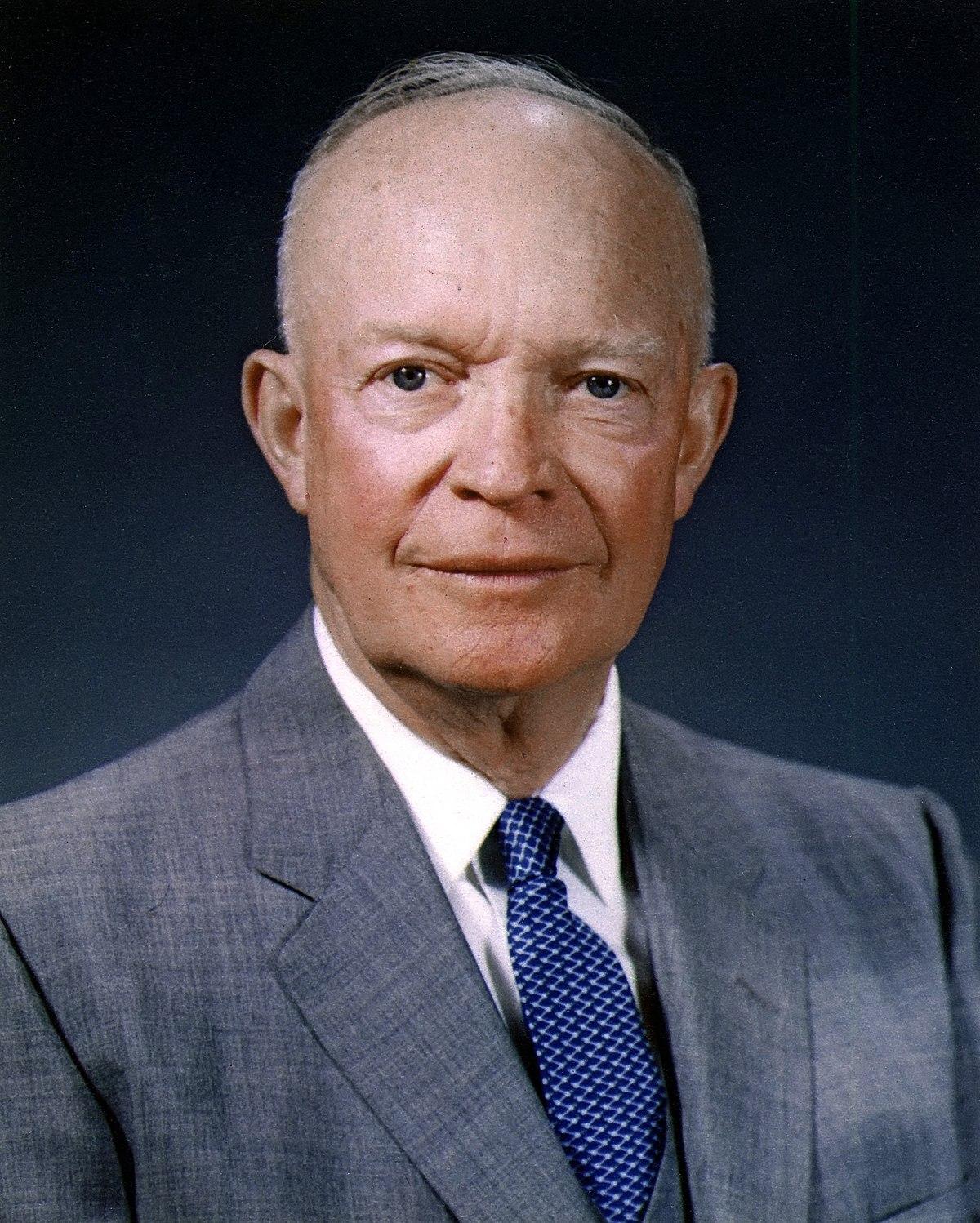
In September 1957, the eyes of the nation turned to Little Rock, Arkansas, as a pivotal test of federal authority and civil rights unfolded amidst a backdrop of deep-seated racial tensions. In the wake of the landmark Supreme Court case Brown v. Board of Education, which declared racial segregation in public schools unconstitutional, President Dwight D. Eisenhower faced a critical decision that would shape the course of the civil rights movement. As resistance to school desegregation flared, Eisenhower’s administration confronted a growing crisis that compelled him to send federal troops to enforce the law and protect the rights of African American students trying to integrate Central High School. This article delves into the complex web of political, social, and historical factors that led Eisenhower to take this extraordinary step, illustrating the intersection of federal power and the struggle for civil rights in America.
Eisenhower’s Decision: The Federal Response to State Defiance in Little Rock
The federal response to state defiance in Little Rock marked a pivotal moment in the struggle for civil rights in the United States. In September 1957, when Arkansas Governor Orval Faubus deployed the National Guard to prevent nine African American students from attending Little Rock Central High School, the tense standoff drew national attention. This action blatantly contradicted the 1954 Supreme Court decision in Brown v. Board of Education, which ruled that racial segregation in public schools was unconstitutional. President Dwight D. Eisenhower faced a crucial decision: to uphold the rule of law and the Constitution or to allow the state to challenge federal authority openly. Ultimately, his commitment to maintaining order and enforcing civil rights led him to send federal troops, the 101st Airborne Division, to restore order and ensure the students’ safe entry into the school.
The deployment of federal troops was not just a response to the immediate crisis but a reaffirmation of federal authority over state actions. This event highlighted the broader national conflict over civil rights and segregation, prompting federal intervention in what many anticipated would be a significant cultural transformation within American society. Key aspects of this federal response included:
- Protection of the Little Rock Nine: Ensuring the safe entry of the African American students into school.
- Federal Authority: Reinforcement of the federal government’s role in enforcing desegregation laws.
- Civil Rights Movement Catalyst: Energizing activists and setting a precedent for future federal interventions in civil rights matters.
The events at Little Rock not only reshaped the discourse around civil rights but also served as a harbinger of the mounting tensions that would eventually give rise to a more organized and robust civil rights movement across the nation.
Understanding the Context: The Impact of Brown v. Board on Civil Rights in America
The landmark decision in Brown v. Board of Education in 1954 marked a pivotal moment in the American civil rights movement, declaring that racial segregation in public schools was unconstitutional. This ruling not only challenged the legality of segregation but also galvanized activists across the nation, pushing the boundaries of the civil rights agenda. As a direct response to this decision, local authorities in various Southern states, including Arkansas, began resisting integration, leading to heightened tensions and national attention. The ruling catalyzed a wave of protests, legal challenges, and organized movements aimed at dismantling systemic racism within educational institutions and beyond.
In Little Rock, Arkansas, the situation escalated dramatically when nine Black students, known as the “Little Rock Nine,” sought to integrate Central High School in 1957. Despite the Supreme Court’s ruling, state officials, led by Governor Orval Faubus, employed intimidation and obstruction to uphold segregation, prompting President Eisenhower to intervene. The deployment of federal troops to Little Rock underscored the federal government’s commitment to enforcing civil rights protections amid local defiance. This military action symbolized a turning point where federal authority was prominently asserted over state laws, setting a precedent for future interventions aimed at enforcing civil rights legislation.
Lessons Learned: Ensuring Federal Support for Civil Rights in Future Conflicts
In examining the federal government’s intervention during the crisis at Little Rock Central High School, it is imperative to recognize key strategies for securing civil rights in future conflicts. The pivotal response from President Eisenhower illustrates the necessity of a strong federal presence in upholding constitutional rights when local entities fail to do so. This situation underscores the importance of the federal government’s responsibility to protect citizens’ rights, especially in times of societal strife.
Moving forward, several lessons emerge that can guide policy-makers and advocates alike:
- Proactive Federal Involvement: Federal authorities must be prepared to intervene promptly when local government actions threaten civil liberties.
- Comprehensive Training: Law enforcement agencies should undergo rigorous training on civil rights and community engagement to mitigate conflicts before they escalate.
- Public Education Initiatives: Raising awareness about civil rights can empower citizens and encourage community resilience against discriminatory practices.
| Lesson | Action |
|---|---|
| Proactive Federal Involvement | Establish rapid response units |
| Comprehensive Training | Implement civil rights training for law enforcement |
| Public Education Initiatives | Launch community awareness programs |
In Summary
In conclusion, the decision by President Dwight D. Eisenhower to deploy federal troops to Little Rock, Arkansas, in 1957 was a pivotal moment in the civil rights movement, stemming from the landmark Supreme Court ruling in Brown v. Board of Education. This decisive action highlighted the federal government’s role in enforcing desegregation and protecting the constitutional rights of all citizens. As tensions escalated and resistance to integration intensified, Eisenhower’s intervention underscored the complex interplay between federal authority and state sovereignty. The events in Little Rock not only reshaped public policy but also served as a catalyst for subsequent civil rights advancements. As we reflect on this historical episode, it serves as a reminder of the ongoing struggle for equality and the enduring importance of government action in safeguarding civil rights.