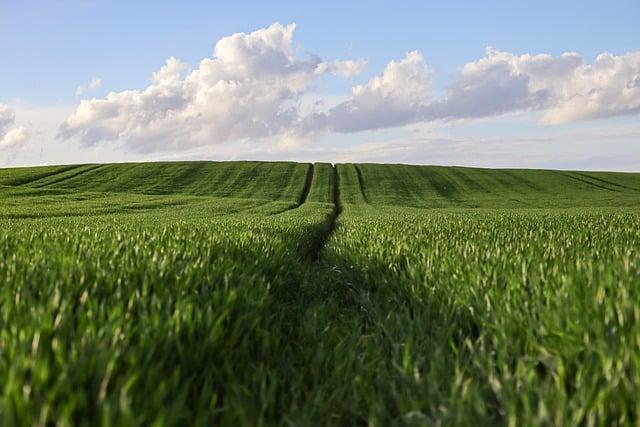
Agriculture in Arkansas: A Harmony Between Productivity and Conservation
In the heart of the American South, Arkansas has long been recognized for its fertile soils and robust agricultural output, earning its place as a vital contributor to the nation’s food supply. However, behind the fields of rice, soybeans, and poultry lies an increasingly important narrative: the intersection of agriculture and conservation. As concerns about environmental sustainability intensify, The Nature Conservancy is stepping up its efforts to promote practices that not only bolster crop yields but also protect the state’s rich ecosystems. In this article, we explore how innovative farming techniques and conservation strategies are reshaping the agricultural landscape in Arkansas, fostering a future where productivity and biodiversity can coexist harmoniously. With stories of local farmers and conservationists working hand in hand, we delve into the challenges and opportunities that lie ahead for one of America’s most agriculturally vibrant states.
Exploring Sustainable Practices in Arkansas Agriculture
Arkansas agriculture is increasingly embracing sustainable practices to balance productivity with environmental stewardship. Farmers across the state are implementing innovative techniques aimed at enhancing soil health, conserving water, and minimizing the use of harmful chemicals. For instance, many are adopting crop rotation and cover cropping methods, which not only improve soil fertility but also help prevent erosion. Additionally, the use of integrated pest management strategies is gaining traction, reducing reliance on synthetic pesticides while promoting natural pest control methods.
Organizations such as The Nature Conservancy are actively supporting these initiatives by providing resources and trainings focused on sustainability. Some key practices contributing to a more sustainable agricultural landscape in Arkansas include:
- Agroforestry: Integrating trees and shrubs into farming systems to enhance biodiversity and improve resilience.
- Precision Agriculture: Utilizing technology to optimize inputs such as water and fertilizers, thereby reducing waste and environmental impact.
- Organic Farming: Increasing the adoption of organic practices that avoid harmful chemicals and promote healthier ecosystems.
| Practice | Benefits |
|---|---|
| Cover Cropping | Improves soil health and prevents erosion. |
| Crop Rotation | Enhances biodiversity and reduces pest build-up. |
| Integrated Pest Management | Reduces chemical use and promotes natural pest control. |
Protecting Water Resources through Conservation Strategies
As agriculture remains a cornerstone of Arkansas’s economy, ensuring the sustainable use of its water resources is critical. The Nature Conservancy has undertaken innovative conservation strategies aimed at protecting these vital resources. By implementing precision irrigation techniques, farmers can significantly reduce water waste while maintaining crop yields. Key approaches include:
- Rainwater Harvesting: Capturing and storing rainwater for agricultural use, reducing reliance on groundwater sources.
- Buffer Strips: Establishing vegetation along waterways to filter pollutants and increase biodiversity.
- Soil Health Improvement: Techniques like cover cropping and reduced tillage help retain moisture and improve soil structure, enhancing water retention.
Additionally, collaborative initiatives between local farmers and conservationists have proven successful in addressing water quality concerns. Monitoring water usage and quality allows stakeholders to adapt practices rapidly, ensuring sustainability. The following table outlines the water-saving impacts of various practices adopted in recent years:
| Conservation Practice | Water Savings (% reduction) |
|---|---|
| Precision Irrigation | 30% |
| Cover Cropping | 25% |
| Buffer Strips Implementation | 15% |
These efforts not only enhance agricultural productivity but also contribute to the overall health of Arkansas’s ecosystems, ensuring that water resources remain plentiful for future generations.
Innovations in Crop Diversity to Enhance Resilience
In an era where climate change poses escalating challenges to food security, Arkansas is witnessing groundbreaking developments in crop diversity that promise to bolster agricultural resilience. Local farmers and scientists are collaborating to cultivate a wider array of crops, moving beyond traditional staples to include more nutrient-rich and climate-adaptive varieties. This evolution is essential for enhancing soil health and optimizing the use of water resources, ultimately aiming to decrease dependency on chemical inputs and promote sustainable farming practices. Notably, the integration of cover crops and intercropping systems has gained traction, allowing for natural pest management and increased biodiversity, which contribute significantly to ecosystem stability.
Recent research initiatives have focused on the potential of heirloom and indigenous varieties, which hold unique traits such as drought resistance and pest tolerance. By preserving and incorporating these diverse species into the agricultural landscape, Arkansas farmers can not only safeguard their livelihoods against the unpredictable impacts of climate change but also improve the nutritional quality of their produce. The collaborative efforts also encompass knowledge-sharing platforms where agriculturalists can learn about innovative techniques for enhancing crop diversity. These efforts are echoed in the following table, highlighting key attributes of selected crops being promoted:
| Crop Type | Nutrient Benefits | Climate Resilience |
|---|---|---|
| Heirloom Tomatoes | High in vitamins A and C | Resilient to extreme heat |
| Black Beans | Rich in fiber and protein | Drought-tolerant |
| Ancient Grains (e.g., Quinoa) | Complete protein source | Adaptability to poor soil conditions |
Concluding Remarks
As Arkansas continues to navigate the complexities of modern agriculture amid growing environmental concerns, initiatives like those spearheaded by The Nature Conservancy are shining a light on the potential for sustainable farming practices. By integrating conservation efforts with agricultural productivity, Arkansas is not only preserving its diverse ecosystems but also enhancing the livelihoods of farmers. The ongoing collaboration among stakeholders-from policymakers to local communities-will be crucial in promoting strategies that prioritize ecological health while ensuring food security.
As we look to the future, the success of these programs will depend on a shared commitment to innovation and sustainability. With continued support for conservation-based agriculture, Arkansas may serve as a model for other regions aiming to balance economic growth with environmental stewardship. The path ahead will require adaptability, but with dedicated efforts in place, the prospects for both the state’s agriculture and its natural resources seem promising. The integral relationship between agriculture and conservation will undoubtedly shape the narrative of Arkansas in the years to come, ensuring that the state remains a vibrant leader in the dialogue around sustainable practices.