
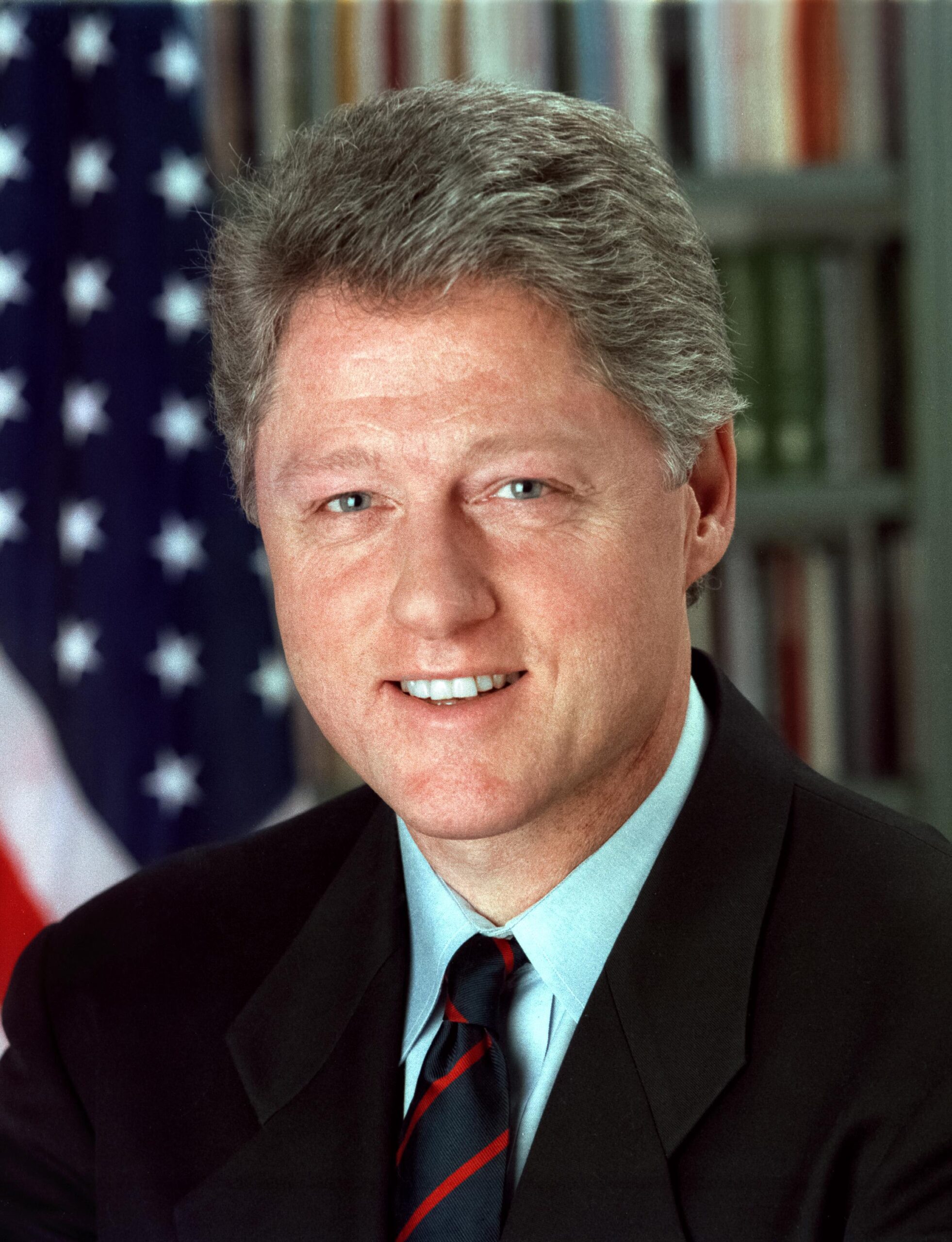
Bill Clinton: A Complex Legacy of Leadership and Controversy
As one of the most influential figures in contemporary American politics, Bill Clinton’s journey-from his humble beginnings in Hope, Arkansas, to the pinnacle of power in the White House-marked a significant chapter in U.S. history. Serving as the 42nd President of the United States from 1993 to 2001, Clinton’s presidency was characterized by a robust economy, significant welfare reform, and advancements in healthcare and education. However, his tenure was also overshadowed by personal and political scandals, most notably his impeachment by the House of Representatives in 1998 over charges of perjury and obstruction of justice. This article delves into the multifaceted life of Bill Clinton, exploring his early years, key policies, the controversies that defined his presidency, and his enduring impact on American society. Join us as we unravel the complexities of a leader who continues to evoke debate and fascination two decades after leaving office.
Understanding Bill Clinton’s Complex Legacy Through His Presidency and Policies
Bill Clinton’s presidency, marked by both significant achievements and controversies, remains a topic of intense discussion. During his two terms from 1993 to 2001, he implemented a range of policies that shaped the economic landscape of the United States. Key elements of his administration included:
- The North American Free Trade Agreement (NAFTA) which aimed to eliminate trade barriers between the U.S., Canada, and Mexico, promoting economic growth but also sparking debates over job losses in specific sectors.
- The Balanced Budget Act that led to budget surpluses, showcasing a shift towards fiscal responsibility and reducing the national debt.
- Welfare reform
Despite these accomplishments, Clinton’s presidency was marred by ethical scandals, culminating in his impeachment in 1998 for perjury and obstruction of justice related to his extramarital affair with Monica Lewinsky. While he was acquitted by the Senate, the impact of this episode on his legacy is profound. A closer examination of his presidency reveals:
| Aspect | Impact |
|---|---|
| Economic Policies | Growth and job creation; surplus achieved. |
| Social Policies | Significant reforms in healthcare and welfare. |
| Scandals | Impeachment; long-lasting scrutiny of personal conduct. |
Analyzing the Impeachment Saga: Political Implications and Public Perception
The impeachment of Bill Clinton in 1998 not only marked a pivotal moment in American political history but also reshaped the landscape of public perception regarding politics and governance. The proceedings initiated by the House of Representatives were fueled by allegations of perjury and obstruction of justice linked to Clinton’s extramarital affair with Monica Lewinsky. As the impeachment saga unfolded, the country was divided, revealing significant rifts within party lines and among citizens themselves. Polls from that era showed that while many disapproved of Clinton’s personal conduct, a substantial portion of the public viewed the impeachment as politically motivated, thereby increasing sympathy for the President and damage for the Republican Party’s long-term reputation.
In terms of broader political implications, Clinton’s impeachment had lasting effects on the Democratic and Republican parties. The aftermath saw a resurgence of partisan conflicts that resonated through subsequent elections and legislative sessions. Voter backlash against the perceived overreach of the Republicans not only led to the preservation of Clinton’s presidency but also bolstered his approval ratings, demonstrating how public opinion can be influenced by national crises. The impeachment proceedings highlighted the power of media and its role in shaping narratives, prompting a shift in how future political scandals would be managed and communicated. This endless cycle of scandal and political maneuvering set a precedent that continues to influence governance and electoral strategies in America today.
| Key Events | Public Reaction |
|---|---|
| Release of Starr Report | Increased public intrigue and media coverage |
| House Vote for Impeachment | Divided opinions, with many seeing it as a partisan attack |
| Senate Acquittal | Rise in Clinton’s approval ratings, perceived vindication |
Key Facts and Milestones in the Life of Bill Clinton: A Comprehensive Overview
Bill Clinton, the 42nd President of the United States, is known for both his progressive policies and complex personal life. Born on August 19, 1946, in Hope, Arkansas, Clinton demonstrated early academic brilliance, earning a Rhodes Scholarship to Oxford University after graduating from Georgetown University. His political career began with his election as Attorney General of Arkansas in 1976, followed by two terms as Governor, which laid the groundwork for his national prominence. His presidency, which lasted from 1993 to 2001, was marked by significant economic prosperity and the implementation of notable legislation, such as the North American Free Trade Agreement (NAFTA) and the Don’t Ask, Don’t Tell military policy.
Clinton’s tenure was not without controversy, as he became the second U.S. president to be impeached in 1998 on charges of perjury and obstruction of justice stemming from the Monica Lewinsky scandal. However, he was acquitted by the Senate and completed his second term with a robust approval rating. Among the key milestones in his life are:
- 1975: Marries Hillary Rodham.
- 1992: Elected President, defeating incumbent George H.W. Bush.
- 1993: Launches the “Health Security Act,” though it fails to pass.
- 2000: Achieves a budget surplus for the first time since 1969.
- 2001: Leaves office after a successful two-term presidency.
Closing Remarks
In conclusion, Bill Clinton’s life and presidency remain one of the most scrutinized chapters in American political history. From his rise as a charismatic leader in Arkansas to his dual terms in the White House, Clinton’s complex legacy is marked by significant economic achievements, ambitious reforms, and the profound challenges posed by scandal and impeachment. As we reflect on his influence, it is essential to consider how his administration shaped contemporary political discourse and the ongoing implications of his presidency in today’s polarized environment. The lessons gleaned from Clinton’s journey continue to resonate, providing insight into the intricacies of governance, accountability, and the enduring impact of personal choices in public life. Through a comprehensive exploration, we gain a deeper understanding of a figure who, despite controversy, played a pivotal role in defining a generation of American politics.











