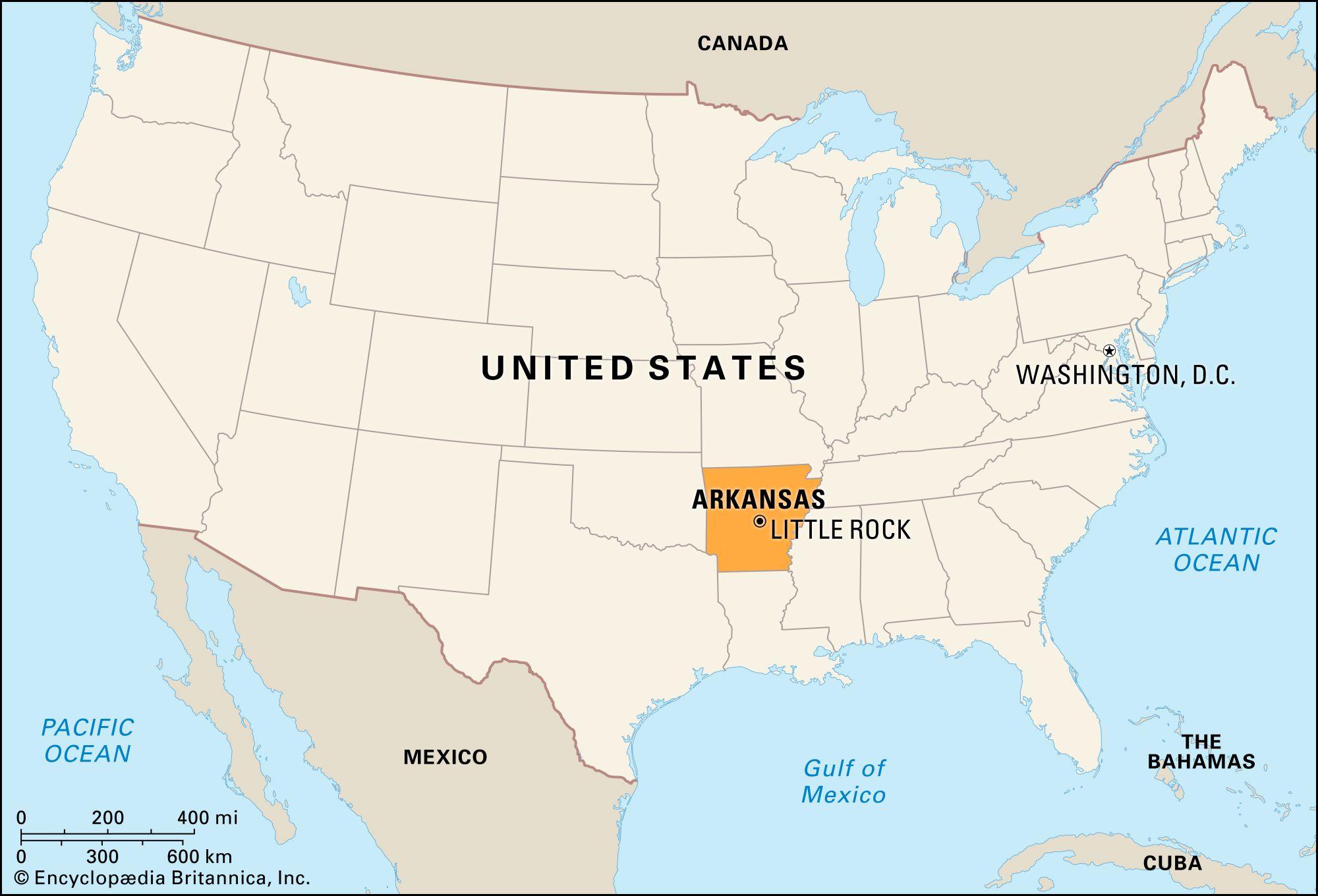
In a proactive stance aimed at safeguarding American agricultural interests, Arkansas Governor Sarah Sanders has taken to the forefront in addressing concerns over foreign influence on U.S. farmland, particularly from China. During a recent address aired on RFD-TV, Governor Sanders outlined her administration’s commitment to protecting vital agricultural resources amidst rising tensions surrounding land acquisition by foreign entities. With farming being a cornerstone of both Arkansas’s economy and national food security, her remarks highlight the need for increased vigilance and strategic measures to ensure that American farmland remains in American hands. As debates intensify over foreign investment in agriculture, Governor Sanders’ agenda may serve as a critical touchstone in the larger conversation about food sovereignty and national security.
Arkansas Governor Sarah Sanders Advocates for Safeguarding U.S. Farmland from Foreign Threats
In a bold move to bolster national security and protect vital agricultural resources, Arkansas Governor Sarah Sanders has taken a firm stance against foreign threats to U.S. farmland. As tensions with China escalate, Sanders emphasizes the importance of safeguarding domestic agricultural assets from external influences that could compromise food security and local economies. Her initiative aims to fortify regulations around foreign ownership of farmland, ensuring that American farmers and their livelihoods remain at the forefront of agricultural production.
During a recent press conference, Sanders outlined several key measures her administration plans to implement, including:
- Enhanced Oversight: Establishing stricter guidelines for foreign investment in agricultural lands.
- Transparency Regulations: Requiring disclosure of ownership structures to prevent hidden foreign stakes.
- Collaborative Efforts: Partnering with federal agencies to create a unified approach for monitoring foreign acquisitions.
These proposed actions aim to foster a sustainable agricultural environment that prioritizes American farmers and promotes local economic growth. By taking a proactive stance, Sanders is not only addressing threats posed by foreign entities but is also advocating for a resilient agricultural future for the state of Arkansas and the United States at large.
Strategic Measures and Recommendations to Combat Chinese Acquisitions of American Agricultural Land
The recent surge in Chinese acquisitions of American agricultural land has raised significant concerns among policymakers and citizens alike. In a bid to safeguard domestic farmland, Arkansas Governor Sarah Sanders has proposed a multifaceted strategy to mitigate foreign investment risks. Key measures include implementing stricter regulatory frameworks that would enhance transparency regarding foreign purchases of agricultural assets. Furthermore, increasing public awareness about the potential impacts of foreign ownership on food security could lead to stronger community support for local farmers and prompt legislative action.
In addition, forming alliances among states to share best practices and develop cohesive policies can counter the fragmentation of individual state efforts. It is also vital to prioritize incentives for American investors to purchase and develop agricultural land, fostering a competitive environment that discourages foreign dominance. The establishment of a task force dedicated to monitoring and reviewing foreign transactions in agriculture will further empower state officials to intervene when necessary. By implementing these strategic recommendations, leaders like Governor Sanders hope to preserve the integrity and sovereignty of American farmland for generations to come.
The Economic and National Security Implications of Protecting Domestic Farmland in Arkansas and Beyond
As the dialogue surrounding domestic agriculture intensifies, the economic consequences of shielding farmland in Arkansas are becoming increasingly evident. With Governor Sarah Sanders leading the charge, several critical factors are at play, including the need to bolster local economies and ensure food security. Protecting farmland not only safeguards the production of essential crops but also reinforces the economic backbone of rural communities. By prioritizing domestic agriculture, Arkansas can foster sustainable growth that empowers farmers while encouraging investment in agricultural innovation and technology.
Moreover, the implications extend far beyond state lines, as national security comes into focus. With rising concerns regarding foreign ownership of U.S. farmland, particularly by entities tied to competing nations, it is paramount to assess the strategic significance of agricultural land. Ensuring that domestic farmers retain control over their resources helps mitigate risks associated with potential economic sabotage or supply chain disruptions. Key elements to consider include:
- Food Sovereignty: Ensuring access to locally grown food.
- Economic Resilience: Strengthening local economies against global market fluctuations.
- National Security: Reducing vulnerabilities associated with foreign investment.
| Factor | Implication |
|---|---|
| Local Farming | Boosts local economy and job creation |
| Food Supply | Enhances national food security |
| Investment | Encourages agriculture technology advancements |
In Conclusion
In conclusion, Governor Sarah Sanders’ commitment to safeguarding U.S. farmland from foreign influence, particularly from China, underscores a growing national concern about agricultural security and sovereignty. Her administration’s proactive stance aims to ensure that American farmers can operate without external pressures that threaten local economies and food supply chains. As discussions continue regarding the role of foreign investment in American agriculture, Sanders emphasizes the importance of maintaining a secure and independent farming sector. This initiative not only aligns with the interests of Arkansas farmers but also resonates with citizens across the nation, encouraging a broader dialogue on how best to protect vital resources in an increasingly interconnected world. As developments unfold, attention will remain on how state and federal policies adapt to safeguard American farmland for future generations.