
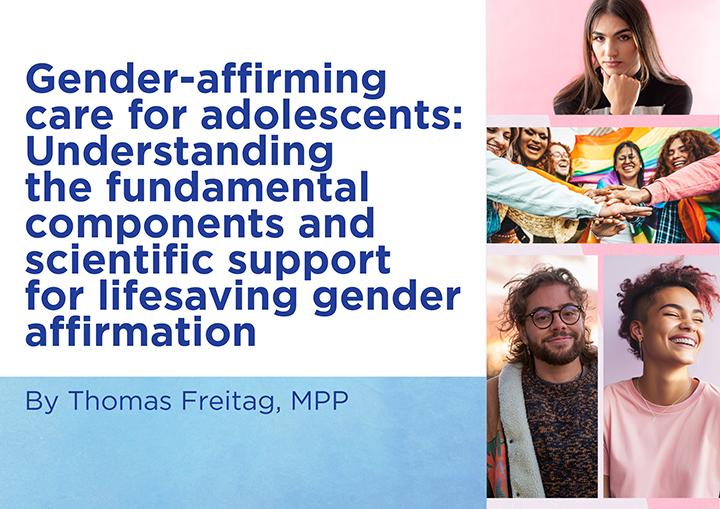
In a significant ruling that highlights the ongoing national debate surrounding transgender rights and youth healthcare, a U.S. appeals court has upheld an Arkansas law that prohibits gender-affirming care for minors. This decision, which aligns with similar legislative measures in various states, comes amid a larger conversation about the implications of such laws on transgender youth and their families. Advocates on both sides of the issue are intensifying their efforts to influence public opinion and policy, as the legal landscape continues to evolve. This ruling not only sets a critical precedent within the state but also raises crucial questions about the intersection of healthcare access, parental rights, and the rights of transgender individuals across the country.
U.S. Appeals Court Ruling on Arkansas Youth Transgender Care Sparks National Debate
The recent ruling by a U.S. appeals court has reignited heated discussions across the nation regarding the legislation in Arkansas that prohibits healthcare providers from administering gender-affirming care to minors. This decision has sparked intense reactions from various advocacy groups, mental health professionals, and political leaders, all of whom are weighing in on the implications for youth seeking transgender healthcare. Proponents of the law argue that it protects children from making irreversible decisions, while opponents contend that it exacerbates mental health crises among transgender youth, who are at higher risk for anxiety and depression without appropriate support.
As communities grapple with the implications of this ruling, key points of contention have emerged, including:
- Access to Care: Concerns about the accessibility of necessary medical treatments for transgender youth.
- Mental Health: Arguments about the potential mental health repercussions linked to the denial of care.
- Legal Precedent: The impact of this ruling on future legislation regarding healthcare rights for minors.
| Group | Position |
|---|---|
| Supporters of the Law | Stress the importance of parental consent and the need for thorough deliberation before treatment. |
| Transgender Advocates | Emphasize the necessity of providing affirming care to prevent mental health issues. |
| Mental Health Experts | Highlight studies showing improved outcomes for youth receiving gender-affirming care. |
Legal Implications and Healthcare Disparities Following Arkansas Law Upholding
The recent ruling by the U.S. appeals court to uphold the Arkansas law banning youth transgender care has profound legal implications that will reverberate across the healthcare landscape. This decision marks a significant precedent in the ongoing national debate over the rights of transgender minors, raising critical questions about parental authority, medical ethics, and state intervention. Advocates for the law argue that it protects minors from irreversible medical treatments, while opponents contend that it infringes on the rights of individuals to receive age-appropriate healthcare. The legal ramifications could set the stage for similar laws in other states, potentially leading to a patchwork of regulations that complicate access to care for transgender youth nationwide.
Moreover, the enforcement of such a law exacerbates existing healthcare disparities faced by marginalized communities. Transgender youth, already vulnerable due to stigma and discrimination, may find themselves without access to critical medical resources, including mental health support and gender-affirming care. The potential fallout includes an increase in mental health issues, such as depression and anxiety, among affected individuals. The consequences extend beyond individual health outcomes, influencing broader societal dynamics and igniting heated debates over the role of legislation in personal healthcare decisions.
- Increased Legal Challenges: Anticipation of further lawsuits surrounding the rights of healthcare providers and patients.
- Accessibility Issues: Limited local resources for transgender healthcare leading to travel for those seeking care.
- Heightened Stigma: Reinforcement of societal biases that could deter individuals from seeking necessary treatment.
Advocates Urge Legislative Reconsideration to Address Youth Mental Health Needs
In the aftermath of a recent ruling by the U.S. appeals court that upheld Arkansas’ ban on youth transgender care, advocates are raising alarms about the potential implications for mental health among transgender youth. Many experts argue that access to gender-affirming care is crucial for the well-being of young individuals who identify as transgender. They emphasize that denying such care can lead to increased feelings of isolation, anxiety, and depression. This has sparked a growing demand for legislative bodies to reconsider policies that directly impact the mental health of this vulnerable population.
Advocates highlight several key aspects that need to be addressed to better support youth mental health:
- Access to Comprehensive Care: Ensuring that all young people have the necessary mental health resources.
- Supportive Environments: Creating safe spaces in schools and communities for open discussions about gender identity.
- Educational Initiatives: Implementing programs that educate families and educators about transgender issues.
Moreover, a recent survey indicated the mental health challenges faced by transgender youth under restrictive policies, revealing startling statistics:
| Mental Health Indicator | Percentage of Affected Youth |
|---|---|
| Increased Anxiety | 75% |
| Feelings of Isolation | 85% |
| Depression Symptoms | 70% |
This situation has galvanized many advocates and groups to push for legislative action aimed at protecting and promoting the mental health of transgender youth, calling for a unified effort to ensure their voices are heard in policy discussions.
Future Outlook
In conclusion, the recent ruling by the U.S. appeals court to uphold Arkansas’ law banning gender-affirming care for minors marks a significant moment in the ongoing national debate over transgender rights and healthcare access for youth. The legal decision underscores the complexities involved in balancing healthcare provisions with state regulations and parental rights. Advocates for transgender youth and their families have expressed concerns about the potential implications of such bans, highlighting the importance of access to comprehensive care. As discussions continue, the case may set a precedent for similar laws in other states, further shaping the landscape of transgender rights and healthcare in America. The dialogue surrounding this issue remains deeply polarized, indicating that the conversation is far from over as stakeholders on all sides prepare for the next steps in what is sure to be a contentious battle in the courts and beyond.











