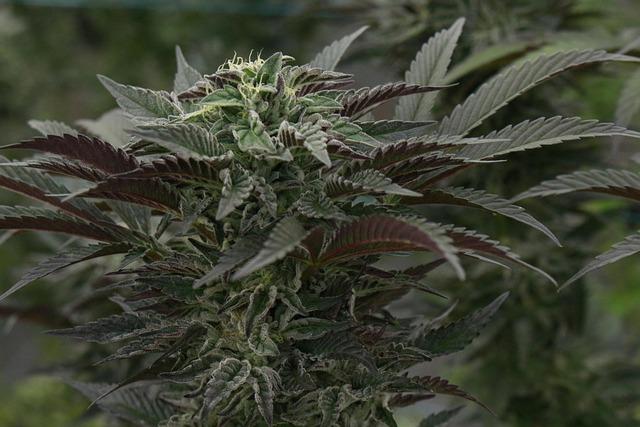
Medical Marijuana: A Closer Look at the Pros, Cons, and Ongoing Debate
As the conversation surrounding medical marijuana continues to evolve, it has become a focal point of both public interest and scientific inquiry. With an increasing number of states legalizing cannabis for therapeutic use, debates around its efficacy, safety, and role in healthcare are more pertinent than ever. Advocates hail the benefits of cannabinoids like CBD and THC in alleviating pain and treating chronic conditions, while critics raise concerns about potential side effects, abuse, and the need for more rigorous research. This article delves into the multifaceted landscape of medical marijuana, exploring the arguments from both sides, the implications for health care, and the current state of regulatory policies in an ever-changing environment. As the lines between traditional medicine and alternative therapies blur, understanding the complexities of medical marijuana has never been more crucial for patients, healthcare providers, and policymakers alike.
Exploring the Therapeutic Benefits of Medical Marijuana in Modern Health Care
Addressing the Controversies: The Case for and Against Cannabis Use
The debate surrounding cannabis use, particularly for medical purposes, remains a focal point of contention. Proponents of cannabis argue that it offers a myriad of benefits for patients suffering from various medical conditions. Supporters highlight the following advantages:
- Pain Management: Cannabis has been found effective in alleviating chronic pain, providing relief to those with conditions such as arthritis and fibromyalgia.
- Easing Symptoms of Neurological Disorders: Marijuana has shown promise in reducing muscle spasms and other symptoms associated with conditions like multiple sclerosis and epilepsy.
- Nausea Control: For patients undergoing chemotherapy, cannabis can significantly reduce nausea and improve appetite.
On the other hand, critics of cannabis use raise serious concerns regarding its potential risks and side effects. They point out that while cannabis may offer short-term relief, long-term usage can lead to dependence and a myriad of mental health issues. Concerns include:
- Addiction Potential: Studies indicate that a segment of users may develop a substance use disorder linked to cannabis.
- Cognitive Impairment: Prolonged use, especially in adolescents, may exacerbate issues related to cognitive function and academic performance.
- Legality and Regulation Issues: The lack of consistent regulation across regions complicates the medical use of cannabis, leading to safety concerns over product quality and standardization.
Navigating the Legal Landscape: Recommendations for Patients and Providers
The evolving legal landscape surrounding medical marijuana necessitates a vigilant approach from both patients and healthcare providers. To ensure compliance and safeguard rights, stakeholders should consider the following recommendations:
- Stay Informed: Regularly review updates on state laws and regulations related to medical cannabis.
- Consult Legal Experts: Engage with legal professionals specializing in cannabis law to clarify any uncertainties.
- Document Everything: Keep thorough records of prescriptions, consultations, and any communications regarding medical marijuana use.
- Educate Patients: Provide patients with clear information on their legal rights and responsibilities regarding medical marijuana.
Healthcare providers should also advocate for responsible practices amidst the ongoing debates about medical marijuana. Here are strategies to consider for a balanced approach:
- Promote Research: Support and participate in clinical studies to further understand the benefits and risks associated with cannabis use.
- Engage in Open Dialogues: Create an environment where patients feel comfortable discussing their cannabis use without fear of stigma or repercussion.
- Collaborate with Interdisciplinary Teams: Work with experts in pain management, psychology, and addiction to provide holistic care for patients considering cannabis.
| Aspect | Considerations |
|---|---|
| Legal Standards | Vary by state; ensure compliance. |
| Patient Rights | Understand and communicate legal protections. |
| Provider Responsibilities | Educate patients, stay current on research. |
To Conclude
As the discourse surrounding medical marijuana continues to evolve, understanding its complexities is more crucial than ever. The ongoing debate touches on various facets, from the potential health benefits offered by cannabinoids like CBD and THC to the legal and ethical implications of integrating cannabis into traditional healthcare frameworks. While countless patients have reported relief from chronic pain, anxiety, and other medical conditions through medical marijuana, opponents raise valid concerns regarding addiction, regulation, and long-term effects.
As research progresses and societal attitudes shift, the role of medical marijuana in healthcare will likely expand or face new scrutiny. Policymakers, healthcare professionals, and patients alike must navigate this challenging landscape with a thoughtful approach, balancing the potential benefits against the risks. The conversation is far from over, and as more studies emerge, our understanding of medical marijuana’s role in modern medicine will inevitably deepen.
For now, it is imperative to remain informed about both the advantages and drawbacks of medical marijuana as we continue to shape a future where healing and wellness coexist within a framework of responsible medical practice. The implications of this debate will resonate throughout the healthcare community and beyond, urging us all to stay engaged in the ongoing dialogue surrounding this multifaceted topic.