
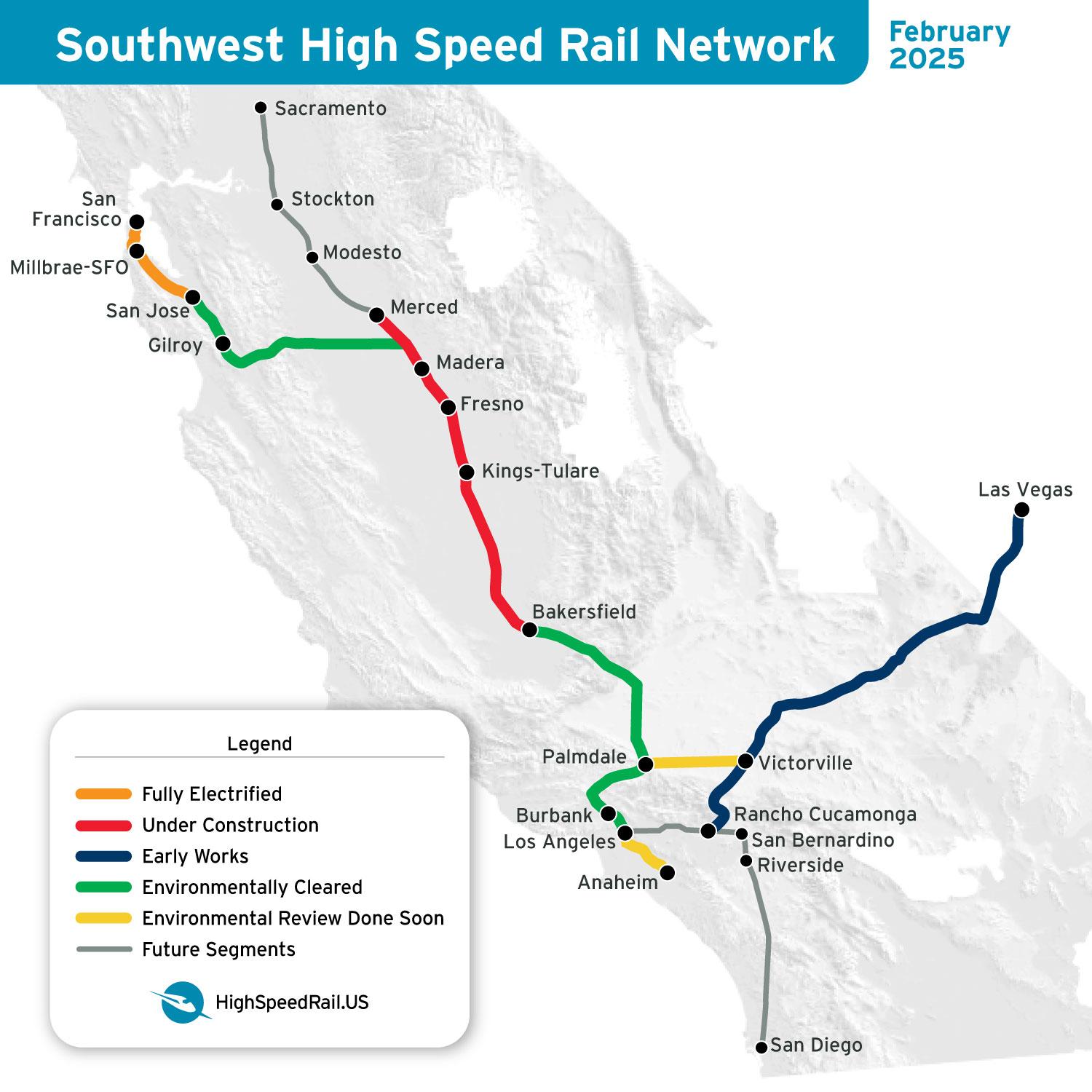
In the heart of California’s ambitious transportation future lies a project that has repeatedly captured national attention: the high-speed rail system intended to connect the sprawling state from San Francisco to Los Angeles. However, what was once heralded as a groundbreaking step toward modernizing transit has devolved into a protracted saga of budget overruns, political controversy, and logistical challenges. In “How California’s Bullet Train Went Off the Rails,” published in 2022 by The New York Times, investigative reporters delve into the multifaceted setbacks that have plagued this multi-billion-dollar initiative. This article takes readers behind the scenes to explore the myriad of factors contributing to the project’s stagnation, shedding light on how a vision of cutting-edge speed and efficiency has been derailed by a complex web of state politics, community opposition, and fiscal mismanagement.
Impact of Funding Shortfalls on California’s Bullet Train Dreams
The ambitious vision for California’s high-speed rail project has faced significant challenges, largely stemming from persistent funding shortfalls that have hindered its progress. Estimated to revolutionize transportation across the state, the project has grappled with budget constraints that have capped its expansion and delayed crucial milestones. Financial backing has shifted due to competing priorities within state budgets, leading to uncertainty and escalating costs, which have collectively sown doubt about the train’s viability. Key factors contributing to these funding dilemmas include:
- Rising construction costs that exceed initial estimates and budgets.
- Political opposition from both state and federal levels impacting the flow of funds.
- Local community pushback and litigation that have extended timelines and increased expenses.
In light of these financial challenges, projections for the completion of the project have been continually revised. The California High-Speed Rail Authority finds itself in a precarious position, managing not only its soaring costs but also the expectations of a populace eager for a modern transit solution. The reliance on state bonds and federal grants remains pivotal; however, with current funding strategies proving inadequate, the future of California’s rail ambitions hangs in the balance. Below is a concise table summarizing budget adjustments and project timelines:
| Year | Initial Budget ($ million) | Revised Budget ($ million) | Projected Completion Year |
|---|---|---|---|
| 2012 | 33,000 | 77,000 | 2029 |
| 2016 | 64,000 | 80,000 | 2033 |
| 2022 | 80,000 | 105,000 | 2040 (Projected) |
Challenges of Environmental Regulations and Land Acquisition
The ambitious project of California’s high-speed train has encountered significant hurdles, primarily due to stringent environmental regulations that complicate both planning and execution phases. These laws, intended to protect wildlife, habitats, and air quality, have at times led to prolonged reviews and unexpected delays. Critics argue that while protecting the environment is essential, the bureaucratic red tape has impeded progress, causing costs to spiral and timelines to stretch. Each new environmental assessment often reveals unforeseen challenges, forcing modifications to the route that can derail previously established plans.
Equally problematic has been the process of securing land for the project, which has proven to be a Herculean task. The necessity of acquiring diverse properties-ranging from urban plots to rural farmland-has led to disputes with local communities and property owners. Many residents express concerns over property rights and the potential impact on their neighborhoods, leading to legal battles and heightened tensions. The table below demonstrates some of the key challenges faced in land acquisition:
| Challenge | Impact |
|---|---|
| Property Rights Disputes | Delays due to legal challenges |
| Community Opposition | Increased negotiations and modifications |
| Environmental Impact Assessments | Extended timelines and additional costs |
| Funding Issues | Potential project cancellations or reductions |
Future Directions for Revitalizing California’s High-Speed Rail Project
As stakeholders assess the future of California’s high-speed rail project, a multifaceted approach is essential to overcoming past hurdles. Key areas of focus include:
- Funding Mechanisms: Innovative financing solutions such as public-private partnerships could unlock additional resources, making the project more financially sustainable.
- Streamlined Governance: Revisiting the governance structure can enhance decision-making processes, ensuring quicker responses to challenges and more adaptive project management.
- Community Engagement: Actively involving local communities in planning stages fosters public support and minimizes opposition, paving the way for smoother project implementation.
- Environmental Considerations: Prioritizing eco-friendly practices can address activist concerns, emphasizing sustainability as a core project principle.
To gauge understanding and track progress, a transparent reporting system is vital. Below is a table depicting potential milestones for the revitalization effort:
| Milestone | Target Date | Status |
|---|---|---|
| Funding Acquisition | Q1 2024 | In Progress |
| Community Outreach | Q2 2024 | Planned |
| Final Route Approval | Q3 2024 | Pending |
| Construction Start | Q1 2025 | Upcoming |
Wrapping Up
In conclusion, California’s bullet train project, once heralded as a transformative leap toward efficient rail travel and a cornerstone of sustainable transportation, now stands as a cautionary tale of ambition, mismanagement, and shifting priorities. As delays and budget overruns continue to plague its development, the future of this high-speed rail initiative remains uncertain. Stakeholders-ranging from policymakers to taxpayers-are left grappling with the implications of an endeavor that promised so much but has struggled to deliver. As we look ahead, the lessons learned from this ongoing saga could inform not only California’s transportation policies but also the broader national discourse on infrastructure investment in a rapidly changing world. With continued scrutiny and evolving public sentiment, the fate of the bullet train project may yet lead to a reevaluation of what is possible in the pursuit of modern transit solutions. As we await further developments, it is clear that the journey of California’s bullet train is far from over.











