
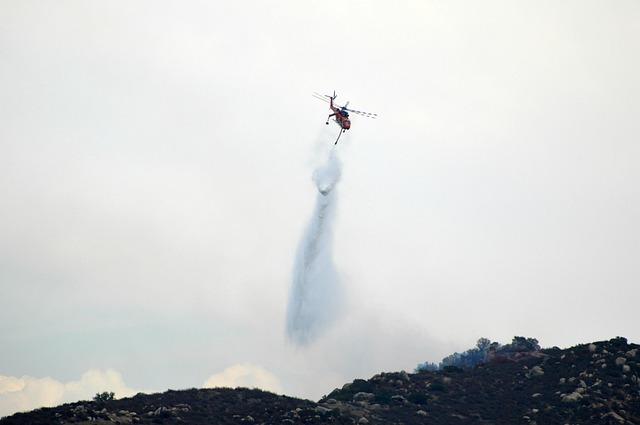
California’s Winter Wildfires: A Growing Threat to Life and Landscape
As the winter months rolled in, the state of California found itself grappling with an insidious threat that has become all too familiar: devastating wildfires. These seasonal infernos, fueled by a perfect storm of dry conditions, high winds, and climate change, are not only reshaping the state’s natural landscapes but also posing serious risks to communities and ecosystems alike. In recent years, California has witnessed an alarming increase in wildfire activity during winter, a time traditionally marked by cooler temperatures and moisture-rich weather. As state officials and environmental experts work tirelessly to address the challenges posed by these blazes, the pressing question remains-what steps can be taken to mitigate the impact of wildfires and protect both lives and property in the face of an evolving climate? This article delves into the factors contributing to California’s recent winter wildfires, the ongoing efforts for prevention and preparedness, and the strategies that may hold the key to safeguarding the Golden State against future infernos.
California’s Winter Wildfires Reveal Urgent Need for Improved Fire Management Strategies
California’s recent winter wildfires have underscored the growing urgency for revising fire management practices in the state. As unprecedented weather patterns exacerbate the severity and frequency of these blazes, traditional firefighting tactics are proving inadequate. Authorities are now faced with the challenge of adapting to a new normal where warmer temperatures and changing precipitation patterns create perfect conditions for wildfires to ignite and spread rapidly. Effective mitigation strategies, including investment in fire-resistant infrastructure and advanced technology, are paramount to addressing this escalating crisis.
Experts argue that a comprehensive approach to fire management should encompass various elements:
- Community Education: Informing residents about fire safety and preparedness can significantly reduce risk.
- Controlled Burns: Implementing prescribed burning practices can help reduce the accumulation of dry fuel.
- Vegetation Management: Regular clearing of brush and dead trees can create buffer zones around residential areas.
| Strategy | Benefit |
|---|---|
| Community Engagement | Enhances public awareness and preparedness |
| Prescribed Burning | Reduces fuel load and fire intensity |
| Vegetation Management | Creates defensible space around properties |
With a proactive stance towards fire management, California can take significant steps to mitigate the risks associated with winter wildfires. The integration of modern technology, coupled with community-driven initiatives, presents a promising pathway to safeguard both lives and property in the years to come. Authorities will need to prioritize funding and resources towards these innovative strategies to ensure they are equipped to face the threats posed by changing environmental conditions.
Analyzing Climate Change Impact on California’s Vulnerability to Wildfires
The unfolding crisis of climate change has intensified the frequency and severity of wildfires in California, transforming the state’s landscape and exacerbating its vulnerability. As temperatures rise and precipitation patterns shift, drought conditions prevail, leading to an increase in dry vegetation that serves as fuel for fires. Recent studies indicate that the state could experience a significant rise in the number of fire days over the next few decades, fueled by the escalating impacts of climate change. Key factors contributing to this alarming trend include:
- Extended Drought Periods: Prolonged dry spells increase the flammability of vegetation.
- Increased Temperature: Higher temperatures can lead to rapid drying of foliage.
- Altered Weather Patterns: Erratic rainfalls create a boom-and-bust cycle for vegetation growth.
Furthermore, California’s demographic and ecological landscapes place additional strain on fire management efforts. Urban areas encroaching upon wildland interfaces, coupled with a growing population and greater infrastructural development, complicate emergency responses and fire prevention measures. The interplay of these factors has prompted researchers to analyze the socioeconomic implications of changing fire patterns. A preliminary overview of these insights reveals critical vulnerabilities:
| Vulnerability Factor | Impact |
|---|---|
| Population Density | Increased risk to human life and property. |
| Economic Losses | Higher costs associated with fire management and recovery. |
| Ecological Damage | Long-term effects on biodiversity and habitat loss. |
Community Preparedness and Government Response: Building Resilience Against Future Fires
As California continues to grapple with the aftermath of devastating winter wildfires, community preparedness is emerging as a critical component in the fight against future calamities. Local agencies are now focusing on enhancing awareness and engagement among residents, ensuring they are equipped with the knowledge needed to react swiftly in case of emergencies. Key strategies include:
- Educational Workshops: Hosting regular sessions to educate homeowners about fire-resistant landscaping and home retrofitting.
- Community Drills: Organizing evacuation and response drills that simulate potential wildfire scenarios.
- Emergency Kits: Encouraging families to prepare and maintain updated emergency supplies for quick access during crises.
Meanwhile, government response efforts are evolving to address the ongoing threat posed by wildfires. Authorities are implementing enhanced policies and technologies aimed at boosting resilience. New initiatives include:
| Initiative | Description |
|---|---|
| Wildfire Early Warning Systems | Deployment of advanced sensor technologies for real-time fire detection. |
| Increased Funding | Allocating budget for fire management and prevention programs at local levels. |
| Collaborative Firefighting | Promoting partnerships between federal, state, and tribal agencies for coordinated responses. |
Future Outlook
In conclusion, the devastating winter wildfires that have swept across California not only highlight the urgent need for effective wildfire management strategies but also underscore the importance of community resilience and preparedness. As the state grapples with the increasing frequency and intensity of such events, policymakers, environmentalists, and residents must come together to implement innovative solutions that address the root causes of these catastrophes. The lessons learned from this year’s wildfires could pave the way for a more sustainable and proactive approach to wildfire prevention, ensuring that communities are not only better equipped to face future challenges but are also actively participating in the stewardship of their environment. As we reflect on the loss and destruction wrought by these fires, it is clear that a coordinated effort is essential if California hopes to mitigate the impacts of these natural disasters in the future.









