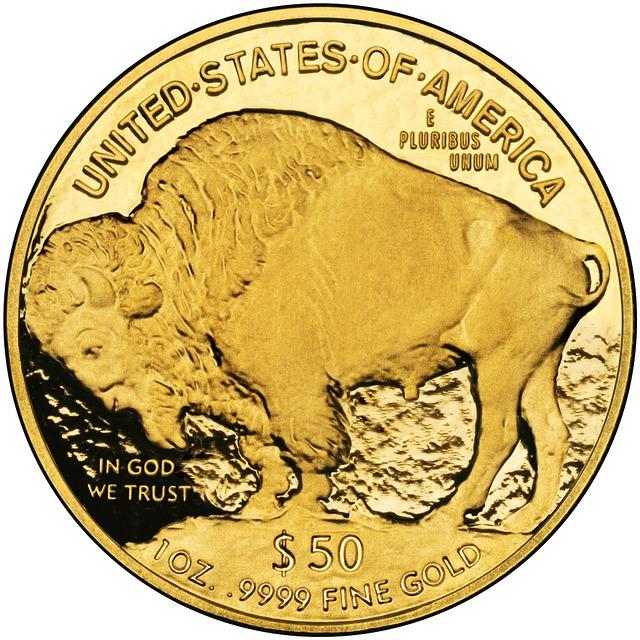
Gold Price USA: Trends and Insights in the Precious Metal Market
As global economic uncertainties persist and inflation concerns remain at the forefront of investors’ minds, the price of gold in the United States has become a focal point for market watchers and financial analysts alike. With its historic status as a safe-haven asset, gold’s value is not only influenced by traditional supply and demand dynamics but also by geopolitical developments, currency fluctuations, and shifts in investor sentiment. This article delves into the latest trends in gold pricing, examines the factors driving changes in its valuation, and offers insights into what the future may hold for this enduringly popular commodity in the U.S. market. Whether you are a seasoned investor or a curious observer, understanding the intricacies of gold pricing is essential in navigating the increasingly volatile financial landscape.
Understanding the Current Gold Price Trends in the USA
The fluctuations in gold pricing are influenced by a complex interplay of factors. Recent trends reveal a correlation between rising inflation rates and increases in gold prices. Investors often turn to gold as a hedge against economic instability, driving demand higher during uncertain times. Additionally, the strength of the US dollar plays a critical role; a weaker dollar typically strengthens gold prices as it becomes more affordable for foreign investors. Analysts are closely monitoring central bank policies and geopolitical tensions, both of which could further influence market dynamics.
To better understand these trends, consider the following key elements affecting the current gold market:
- Inflation Concerns: Increased inflation rates are prompting investors to seek safe-haven assets.
- Central Bank Actions: Monetary policy decisions and interest rate adjustments can greatly affect gold’s appeal.
- Market Sentiment: Global events and sentiment can lead to sudden spikes or drops in gold prices.
- Production Levels: Changes in mining outputs and operational costs can influence supply dynamics and prices.
To illustrate these trends, the following table summarizes recent price movements of gold over the past few months:
| Month | Gold Price (USD/oz) |
|---|---|
| July 2023 | $1,920 |
| August 2023 | $1,950 |
| September 2023 | $1,970 |
| October 2023 | $1,980 |
Factors Influencing Gold Prices and Market Predictions
The fluctuations in gold prices are often driven by a complex interplay of various factors, including economic indicators, geopolitical events, and market sentiment. Central banks play a pivotal role, with their monetary policies significantly impacting currency strength, inflation rates, and consequently, gold prices. For instance, when interest rates are low, alternative investments yield less return, prompting investors to flock to gold as a safe haven asset. Additionally, uncertainties such as political unrest or trade disputes can spur demand for gold, leading to price surges as market participants seek stability in tangible assets.
Market predictions for gold are further shaped by technological advancements and investment trends. The rise of gold ETFs (Exchange Traded Funds) has made it easier for retail investors to gain exposure to price movements without directly purchasing physical gold. Furthermore, developments in mining technology can influence supply, which, combined with global demand levels, creates fluctuations in pricing. Notably, the demand from emerging economies, such as India and China, remains a critical component in shaping the market landscape. Analysts continually monitor these dynamic elements to provide forecasts and guide investment decisions.
Investment Strategies for Navigating Fluctuations in Gold Prices
Fluctuations in gold prices can create both challenges and opportunities for investors. The uncertain nature of the market demands a mix of analytical rigor and instinctive decision-making. Diversification is key; investors should not only consider gold as a standalone asset but also explore a basket of related commodities. This can include precious metals like silver and platinum, which often move in sync with gold yet can behave differently in changing market conditions. Investors are encouraged to employ hedging strategies, such as options contracts, to mitigate potential losses during downturns. Utilizing exchange-traded funds (ETFs) that track the performance of gold or a mix of precious metals is another effective approach, offering liquidity and accessibility without the need for physical storage.
Moreover, staying informed about global economic indicators is crucial for making strategic investment decisions. Investors should closely watch factors such as interest rates, inflation data, and geopolitical tensions that can influence gold prices. Taking advantage of dollar-cost averaging can also prove beneficial, allowing investors to gradually accumulate gold over time as prices fluctuate. Additionally, the use of technical analysis can help identify potential entry and exit points in trading, enhancing the overall investment strategy. Below is a simple overview table of key economic indicators that affect gold prices:
| Indicator | Impact on Gold Prices |
|---|---|
| Interest Rates | Higher rates tend to decrease gold prices. |
| Inflation | Higher inflation generally boosts gold prices as a hedge. |
| Geopolitical Events | Increased uncertainty often leads to a rise in gold prices. |
Wrapping Up
As we conclude our analysis of gold prices in the USA, it is evident that the precious metal continues to play a vital role in the financial landscape. Factors such as economic uncertainty, inflation trends, and global geopolitical tensions consistently influence market fluctuations, making gold both a safe haven and an investment vehicle of choice for many.
As investors look ahead, it will be essential to stay informed on the myriad of factors impacting gold prices, from shifts in Federal Reserve policy to international supply chain dynamics. Whether you are a seasoned investor or a newcomer to the world of precious metals, understanding these trends will be crucial for making informed decisions in the ever-evolving marketplace.
In summary, while gold prices may rise and fall with the tides of economic conditions, its enduring value remains a cornerstone for many portfolios. As we move forward, we will continue to monitor developments and provide updates on this key asset, enabling our readers to stay ahead in their investment strategies. Thank you for joining us as we tracked the nuances of gold pricing in the USA, and we encourage you to remain vigilant in these uncertain times.