
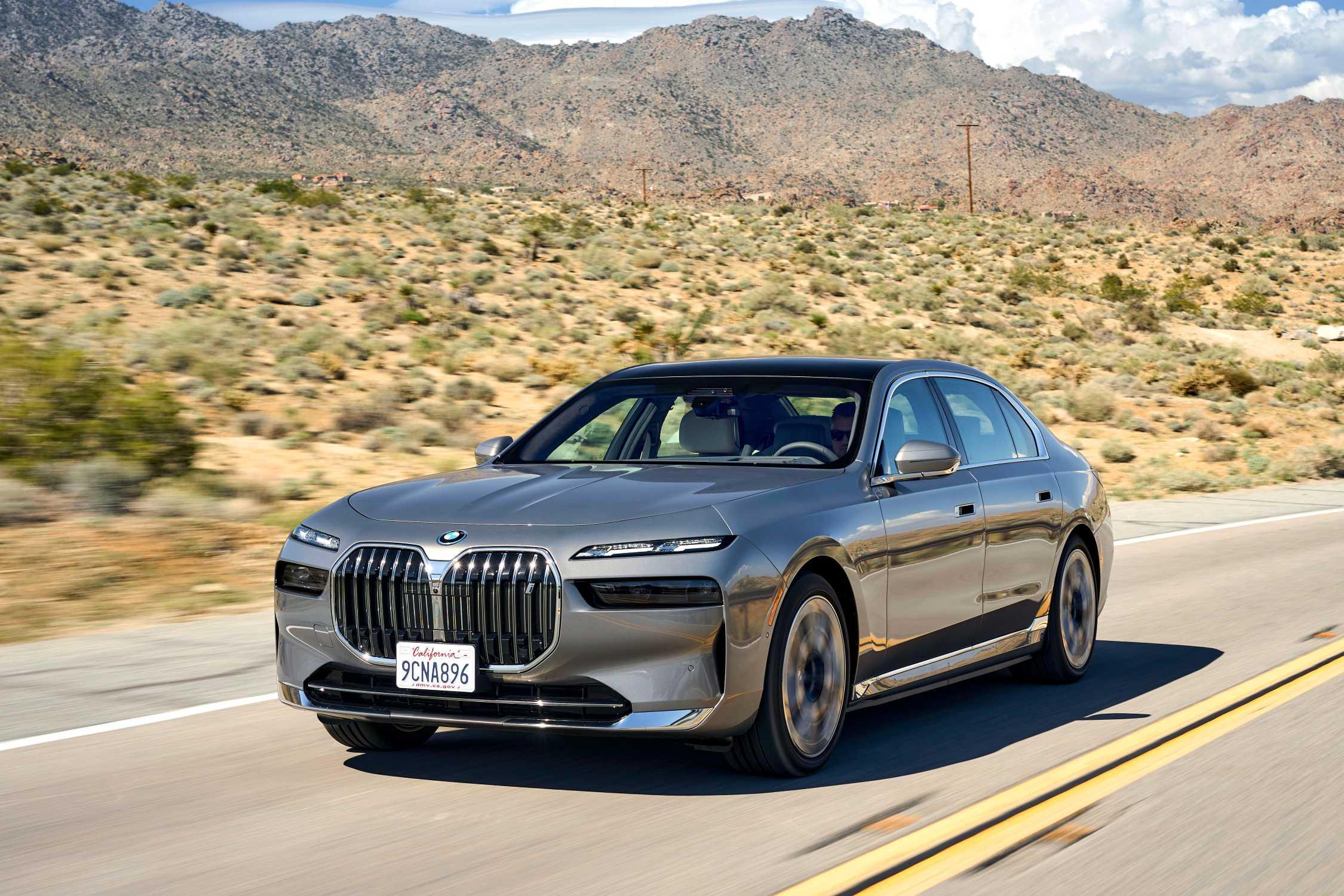
In a groundbreaking initiative aimed at revolutionizing energy consumption and vehicle technology, BMW of North America has partnered with Pacific Gas and Electric Company (PG&E) to launch vehicle-to-everything (V2X) testing in California. This new collaboration underscores BMW’s commitment to sustainability and innovation, as it explores the potential of using electric vehicles not just as transportation solutions but also as integral components of the energy grid. With California at the forefront of both electric vehicle adoption and renewable energy initiatives, this project promises to enhance energy management and infrastructure resilience in a state often plagued by power shortages. As the automotive and energy industries converge, the outcome of this ambitious testing could set a precedent for the future of electric mobility and energy distribution across the nation.
BMW and PG&E Launch Innovative V2X Testing Initiative in California
In a groundbreaking collaboration, BMW of North America has teamed up with Pacific Gas and Electric (PG&E) to explore the untapped potential of Vehicle-to-Everything (V2X) technology in California. This innovative initiative aims to transform electric vehicles into mobile energy resources, thus enhancing the overall efficiency of energy consumption and management in urban environments. The partnership will leverage BMW’s state-of-the-art electric vehicles and PG&E’s extensive grid infrastructure to create a flexible energy ecosystem. Key elements of the initiative include:
- Bidirectional Charging: Enabling vehicles to discharge energy back to the grid or power home appliances during peak demands.
- Grid Resilience: Supporting local energy needs and providing backup during outages.
- Data Integration: Analyzing real-time usage patterns to optimize energy distribution and reduce costs.
This project not only seeks to enhance utility efficiency but also aims to foster sustainability within communities. By integrating advanced V2X technology, BMW and PG&E plan to create a seamless connection between electric vehicles and the electric grid. As part of the initiative, a pilot program will be launched that involves a select group of BMW electric vehicle owners in California, who will contribute valuable insights on energy usage and behavior. The anticipated benefits include:
| Benefit | Description |
|---|---|
| Cost Savings | Reduced energy bills for participating users. |
| Environmental Impact | Lower carbon footprint through optimized energy use. |
| Community Engagement | Encouraging local participation in sustainability efforts. |
Pioneering Sustainable Energy Solutions Through Vehicle-to-Grid Technology
In an innovative step towards a sustainable energy future, BMW of North America has partnered with PG&E to initiate testing of Vehicle-to-Grid (V2G) technology in California. This collaborative effort aims to harness the power of electric vehicles as dynamic components of the energy ecosystem. Through V2G, EVs will not only draw power for mobility but can also supply energy back to the grid, offering a dual-functionality that transforms the relationship between vehicles and energy providers. This groundbreaking technology holds the potential to mitigate peak energy demands and stabilize the grid during high-consumption periods.
The pilot program will incorporate a series of key objectives to evaluate the effectiveness and feasibility of V2G solutions:
- Energy Efficiency: Measuring how effectively EVs can contribute to grid stability.
- User Participation: Exploring customer engagement and incentives for EV owners to utilize V2G technologies.
- Environmental Impact: Assessing reductions in carbon footprints from increased renewable energy use.
| Objective | Description |
|---|---|
| Energy Storage | Utilizing EVs as temporary energy storage solutions during peak hours. |
| Demand Response | Managing energy demand through intelligent V2G participation. |
| Grid Health | Improving overall grid reliability and performance metrics. |
Strategic Recommendations for Enhancing V2X Integration and Community Engagement
To optimize the integration of vehicle-to-everything (V2X) technology and bolster community engagement, stakeholders like BMW of North America and PG&E should focus on fostering transparent communication with residents. Establishing open channels for public feedback is essential, enabling local communities to voice their concerns and suggestions regarding V2X initiatives. These channels can include:
- Regular community forums and workshops
- Digital platforms for ongoing dialogue
- Surveys to gauge public perception and usage preferences
Furthermore, creating targeted education and outreach programs will empower residents to understand and embrace V2X advancements. By collaborating with local schools and organizations, stakeholders can develop interactive educational tools that highlight the benefits of V2X technology. A structured approach to community engagement may involve:
- Workshops focusing on energy management through V2X systems
- Partnerships with local businesses for real-world demonstrations
- Publicity campaigns highlighting success stories from early adopters
Final Thoughts
In conclusion, the collaboration between BMW of North America and Pacific Gas and Electric (PG&E) marks a significant step forward in the integration of electric vehicle technology into the energy ecosystem. As the V2X testing program unfolds in California, it promises to not only enhance the efficiency of energy distribution but also empower consumers to play a pivotal role in the sustainability journey. By harnessing the capabilities of electric vehicles to act as energy storage units, this initiative could transform how we view energy consumption and generation. Stakeholders are keenly watching as this groundbreaking venture may serve as a model for future partnerships across the country, paving the way for smarter, more resilient energy systems. With innovation at its core, BMW and PG&E aim to lead the charge towards a more sustainable future, demonstrating that the synergy between automotive technology and energy solutions can indeed fuel progress for generations to come.











