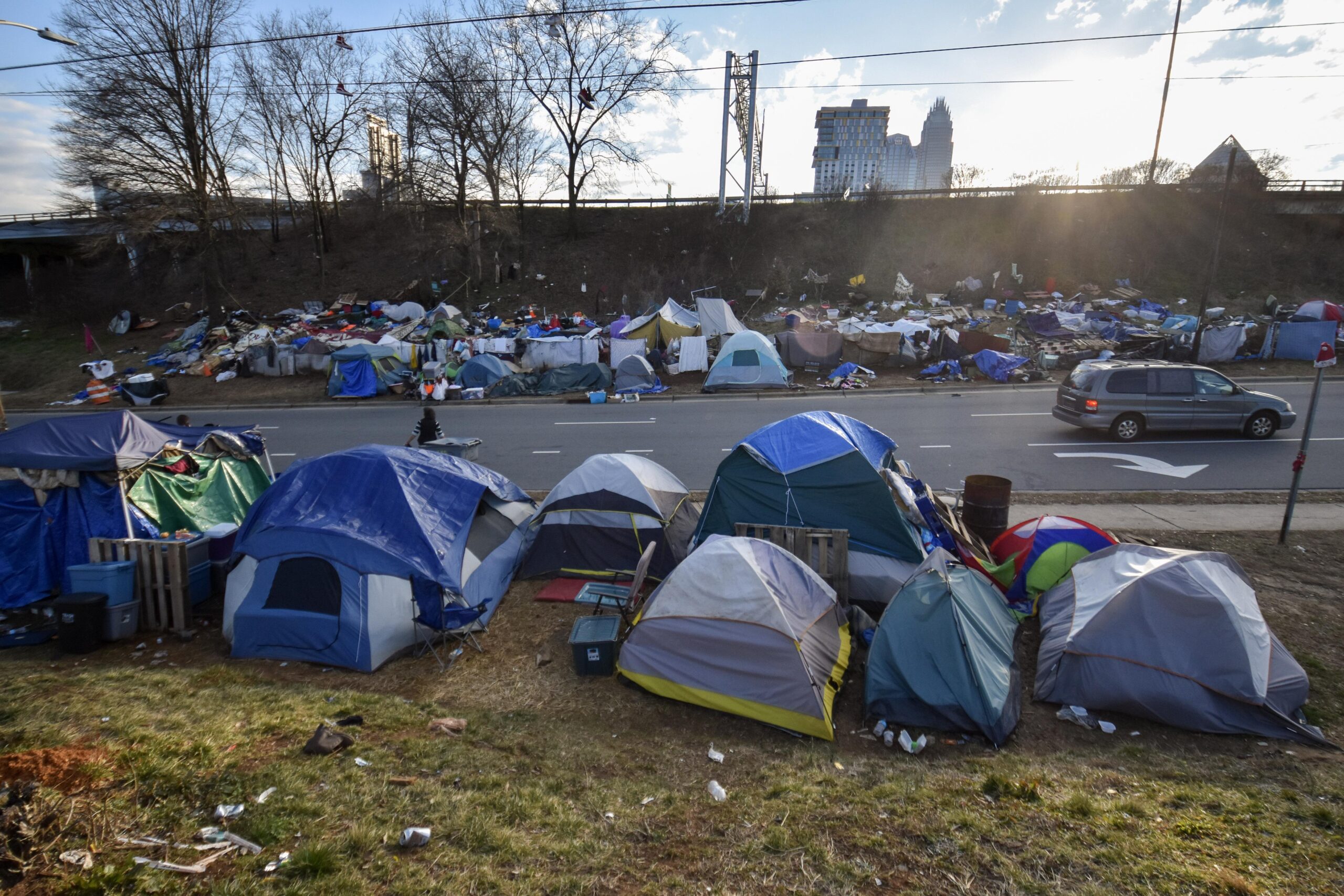
Tent City, USA: Southern California’s Homelessness Crisis
As the golden sun sets over Southern California, the sprawling urban landscape reveals a stark contrast to its picturesque beaches and palm-lined streets. In the shadows of opulent neighborhoods and bustling tourist hubs lies a distressing reality: a growing tent city that has become emblematic of the region’s homelessness crisis. With an estimated tens of thousands of individuals living on the streets, in makeshift encampments, and in their vehicles, the state grapples with an issue that seems to defy easy solutions. This article delves into the complexities of homelessness in Southern California, exploring the factors contributing to the crisis and the challenges faced by those seeking shelter and support. Through personal stories, expert insights, and a closer look at community responses, we aim to shed light on a situation that continues to evolve, demanding urgent attention and innovative approaches.
Addressing the Root Causes of Homelessness in Southern California
Understanding the complexities behind homelessness in Southern California necessitates an examination of factors often overlooked. Broadly, the root causes of this crisis can be categorized into several key issues:
- Economic Instability: Many individuals find themselves on the brink of homelessness due to insufficient wages and escalating living costs.
- Lack of Affordable Housing: A severe shortage of affordable housing exacerbates the situation, limiting options for those on the edge.
- Mental Health and Substance Use Disorders: Many homeless individuals struggle with untreated mental health issues, making long-term stability challenging.
- Systemic Barriers: Policies that fail to provide adequate support for vulnerable populations contribute to the cycle of homelessness.
Addressing these foundational issues requires a multifaceted approach. Innovative policy solutions and community initiatives are essential to tackle the systemic barriers that perpetuate homelessness. To illustrate, consider the following initiatives currently being proposed or implemented:
| Initiative | Description |
|---|---|
| Increased Housing Vouchers | Expanding housing vouchers to assist low-income families in securing stable housing. |
| Mental Health Support Programs | Implementing accessible mental health services targeted at homeless populations. |
| Workforce Development Programs | Creating job training and employment support tailored for those experiencing homelessness. |
The Struggle for Shelter: A Deep Dive into Tent City Dynamics
The dynamics within tent cities in Southern California reveal a complex tapestry woven with stories of struggle, resilience, and community. In these encampments, individuals facing homelessness confront not only the challenges of securing basic needs but also the emotional toll of social isolation and societal stigma. Many residents come together, fostering a sense of camaraderie amid adversity, where shared experiences shape their communal bonds. Improvised social networks often emerge, serving as lifelines that provide practical assistance, mental support, and a semblance of normalcy.
However, the landscape of tent cities is anything but static. Local policies and enforcement measures pose significant impacts on daily life. An increasing number of ordinances aimed at clearing encampments exacerbate instability, forcing residents to relocate frequently and disrupting fledgling support systems. The struggle for shelter is further complicated by factors such as:
- Lack of affordable housing: As rents soar, many individuals find themselves priced out of stable accommodations.
- Insufficient mental health services: Many inhabitants grapple with untreated mental health issues, complicating their paths to stability.
- Public perception and policy: Stigmatization affects local policy-making, often prioritizing clearance over support.
| Challenges in Tent Cities | Impact on Residents |
|---|---|
| Lack of sanitation facilities | Increased health risks |
| Frequent displacement | Loss of community |
| Limited access to services | Struggles with recovery |
Innovative Solutions and Community Initiatives for Sustainable Change
In the face of Southern California’s homelessness crisis, a myriad of innovative solutions are emerging, driven by grassroots organizations and community advocacy groups. These initiatives aim not only to provide immediate relief but also to create long-term pathways to stability. Key proposals include the development of transitional housing, enhanced mental health services, and job training programs that are uniquely tailored to meet the needs of those experiencing homelessness. Community engagement is a vital component, with local residents encouraged to participate in discussions and decisions that shape the support systems being put in place. Critical partnerships between nonprofits, municipalities, and local businesses have resulted in a more coordinated response, illustrating the power of collaborative efforts in combating homelessness.
Additionally, several pilot programs have launched across the region that embrace tech-driven solutions to streamline resource allocation and improve access to services. For instance, mobile apps are being introduced to connect homeless individuals with available shelters, food services, and healthcare resources in real time. These technological advancements are bolstered by local volunteer initiatives offering basic needs and support services directly on-site in encampments. Tables summarizing successful intervention strategies showcase the types of services offered and the number of individuals reached, underscoring the effectiveness of these community-driven approaches to sustainable change.
| Service Type | Individuals Reached | Impact |
|---|---|---|
| Transitional Housing | 200 | Safe living conditions and life skills workshops |
| Mental Health Services | 150 | Improved mental well-being and reduced hospitalizations |
| Job Training Programs | 100 | Increased employment opportunities and financial stability |
Final Thoughts
In conclusion, the unfolding reality of Tent City, USA, serves as a stark reminder of the homelessness crisis gripping Southern California. As communities grapple with the complexities of affordable housing, mental health resources, and systemic inequality, the tents that line streets and sidewalks symbolize both individual stories of struggle and a collective societal challenge. This ongoing situation prompts urgent questions about our responsibilities to one another as a community and calls for innovative solutions that go beyond temporary fixes. As the debate continues and voices grow louder, it is clear that addressing this crisis will require not just compassion, but a commitment to long-term, meaningful change. The future of Southern California’s most vulnerable residents hangs in the balance, and it is imperative that we listen, act, and advocate for those who have been pushed to the margins of society.